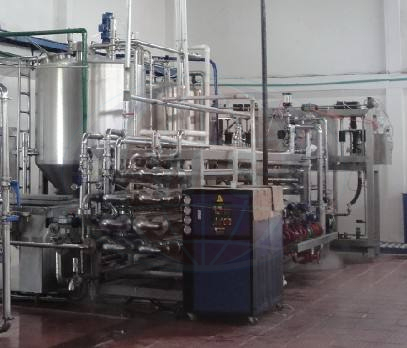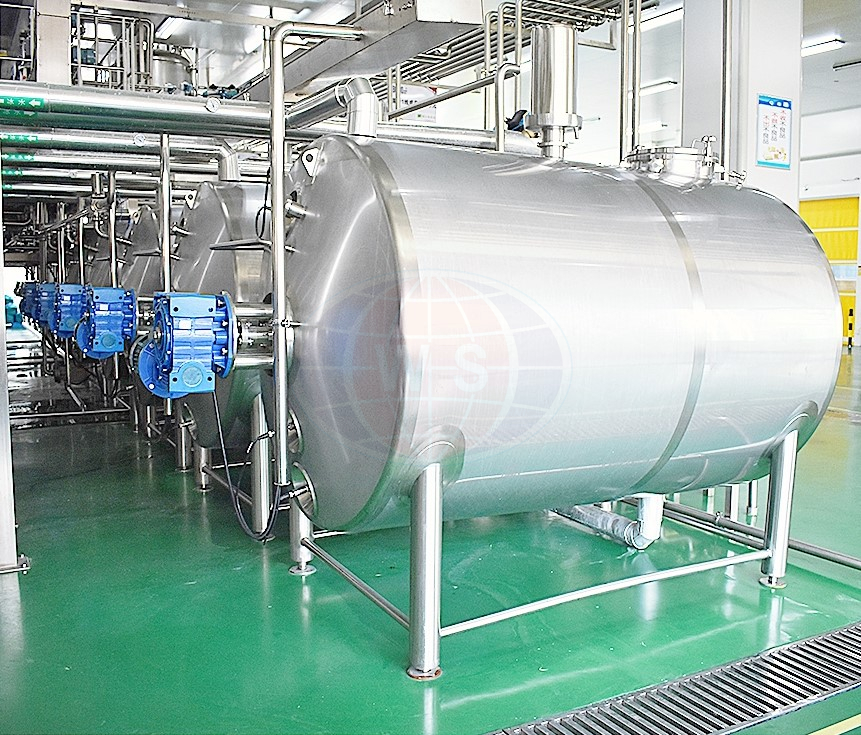
Scaling fruit jam production requires transitioning from isolated batch processing to a continuous, highly controlled thermal and mechanical environment. Piecing together mismatched equipment leads to inconsistent Brix levels, thermal degradation of fruit, yield losses, and severe sanitation bottlenecks. Understanding the precise technical requirements of an end-to-end system is the first step in evaluating an industrial jam production plant. Plant managers often face integration challenges when upgrading from pilot scales to full commercial output. The mechanical shear forces applied during pulping, the vacuum pressures maintained during evaporation, and the thermal lethality achieved in pasteurization must all operate in perfect synchronization. When these variables fall out of alignment, the result is product separation, pectin breakdown, or microbial spoilage. A properly engineered line eliminates these variables through centralized PLC automation, sanitary design, and continuous inline monitoring.
Key Takeaways
- Integration over Isolation: A high-yield production line relies on synchronized PLC controls rather than standalone machines to maintain precise temperature and viscosity parameters.
- Thermal Management is Critical: Vacuum cooking and rapid pasteurization equipment are non-negotiable for preserving fruit color, flavor, and nutritional integrity at an industrial scale.
- Hygiene Dictates Uptime: Fully integrated Clean-in-Place (CIP) systems reduce changeover times and ensure compliance with stringent food safety regulations (FDA, EHEDG).
- Vendor Accountability: Selecting a fruit jam production line manufacturer should be based on their ability to provide comprehensive Factory Acceptance Testing (FAT), custom layout engineering, and long-term parts availability.
Pre-Processing and Raw Material Handling
Contaminants, irregular fruit sizes, and inefficient extraction reduce overall yield and damage downstream processing equipment. A robust pre-processing module prepares raw fruit for thermal treatment while maximizing the usable pulp and juice. If field debris enters the pulping stage, it can score the internal screens of the refiners, leading to costly downtime and metal contamination risks.
Fruit Washing and Sorting Systems
Raw fruit arrives with field debris, pesticide residue, and potential physical contaminants. Effective washing systems agitate the product enough to remove dirt without causing mechanical damage to delicate skins. The initial wash stage sets the baseline for the microbial load entering the facility.
- Bubble washing machines utilize injected compressed air at the base of the water tank to create gentle, continuous agitation. This lifts dirt, leaves, and debris away from the fruit surface without the bruising associated with mechanical paddles.
- High-pressure spray headers mounted above the exit incline conveyor provide a final clean water rinse to remove any residual suspended solids before the fruit moves to the sorting stage.
- Roller sorting conveyors continuously rotate the fruit as it moves down the line. This rotation gives operators or automated optical sorting cameras a complete 360-degree view to identify and reject moldy, underripe, or physically damaged product.
Destemming, Pitting, and De-stoning
Removing inedible structural components is a highly specialized mechanical process. The equipment must be calibrated to the specific physical properties of the target fruit to prevent yield loss.
- Rotary destemming units handle berries and small fruits. They utilize rotating cylinders and specialized perforated screens to separate stems and leaves from the fruit body without crushing the delicate berries.
- High-efficiency de-stoning machines extract pits from peaches, plums, apricots, and cherries. These machines use precision-spaced heavy-duty rubber rollers or pneumatic punching mechanisms to eject the stone cleanly. If the clearance is set incorrectly, the machine will either leave pit fragments in the puree or tear away excessive amounts of valuable fruit flesh.
Crushing, Pulping, and Refining
Once cleaned and prepped, the fruit must be reduced to a workable consistency. This stage dictates the final texture of the jam, determining whether the end product is a smooth, homogenous puree or a preserve with distinct fruit particulates.
- Hammer mills and specialized crushers break down the cellular structure of the fruit. The rotor speed and screen size are calibrated for specific fruit densities. Hard apples require high-impact mechanical force, while soft strawberries require a gentler crushing action to maintain chunk integrity.
- Double-stage pulping machines utilize centrifugal force generated by internal rotating paddles against cylindrical perforated screens. The first stage removes large seeds, skins, and tough fibers, while the second stage refines the puree to the exact micron size required for the recipe.
- Variable frequency drives (VFDs) on pulpers and crushers allow operators to adjust processing speeds on the fly based on fruit ripeness, seasonal variations, and specific batch requirements.
![Fruit Jam Production Line Equipment Overview]()
Core Processing: Cooking, Mixing, and Formulation
Traditional atmospheric boiling causes caramelization, color loss, and pectin degradation due to the high temperatures required to evaporate water. Industrial jam production relies on advanced thermal management to evaporate water rapidly without destroying the organoleptic properties of the fruit. The cooking phase is where the chemical matrix of the jam—sugar, acid, and pectin—binds together.
Vacuum Boiling and Concentration Tanks
Operating under negative pressure lowers the boiling point of the water within the fruit mixture. This fundamental physics principle allows the jam to reach the required Brix level at significantly lower temperatures, protecting the product from thermal damage.
- Vacuum pans evaporate excess moisture at temperatures between 60°C and 70°C. This low-temperature boiling preserves the natural color, volatile flavor compounds, and nutritional profile of the fruit.
- Scraped-surface agitators continuously sweep the heated inner walls of the jacketed tank. Teflon or PEEK scraper blades prevent the highly viscous, sugar-rich product from burning onto the heat transfer surface, ensuring uniform heat distribution and preventing localized caramelization.
- Condenser units attached to the vacuum system capture the evaporated water vapor, preventing it from venting into the production area and overloading the facility's HVAC system.
Ingredient Dosing and Blending
Consistency across batches requires exact formulation control. Manual addition of dry ingredients often leads to clumping, uneven distribution, and failed batches that must be reworked or discarded.
- Automated dosing systems utilize load cells mounted under the mixing tanks and mass flow meters on the piping for the precise integration of liquid sugar, pectin slurries, and citric acid.
- High-shear mixers are integrated into a recirculation blending loop to ensure rapid pectin hydration. Pectin powder must be dispersed instantly into the liquid phase to activate its gelling properties without forming dry, unhydrated pockets known as "fish eyes."
Vacuum De-aeration Systems
The mechanical mixing, pumping, and pulping processes naturally introduce ambient air into the product. Removing this entrained air is critical for both product quality and downstream packaging efficiency.
- Vacuum de-aerators pull micro-bubbles and entrapped oxygen from the jam mixture prior to pasteurization. Removing oxygen prevents oxidation, discoloration, and premature spoilage during the product's shelf life.
- De-aeration also increases the density of the product, ensuring that the volumetric fillers deposit an accurate weight into each jar. Entrapped air leads to underfilled jars and rejected product at the checkweigher.
Inline Process Monitoring
Relying on manual sampling introduces delays and increases the risk of batch failure. Continuous monitoring ensures the product meets specifications before it leaves the cooking vessel.
- Integration of continuous inline refractometers allows for real-time Brix tracking. The PLC monitors the refractive index of the flowing jam and makes automatic adjustments to the heating cycle or ingredient dosing without requiring an operator to pull physical samples and test them on a benchtop unit.
- Inline pH sensors ensure the acidity is within the exact range required for optimal pectin gelation and microbial stability.
Pasteurization and Sterilization
Achieving commercial sterility in high-viscosity products requires specialized heat exchange technology to ensure the thermal center of any suspended fruit particulates reaches the target lethality without overcooking the surrounding liquid matrix.
- Tubular or scraped-surface heat exchangers are designed specifically for high-viscosity fluids. They prevent the severe pressure drops and blockages that are common when attempting to pump jam through standard plate heat exchangers.
- Holding tubes are engineered for exact lethality (F0) values to ensure shelf stability. The length and diameter of the tube dictate the residence time at the pasteurization temperature, guaranteeing that every particle receives the required thermal dose.
- Flow diversion valves are integrated at the end of the holding tube. The controls automatically divert unpasteurized product back to the buffer tank if the temperature drops even a fraction of a degree below the critical limit, ensuring no under-processed product reaches the filler.
Thermal Processing Comparison: Atmospheric vs. Vacuum Boiling | Parameter | Atmospheric Boiling | Vacuum Boiling |
| Boiling Temperature | 100°C - 105°C | 60°C - 70°C |
| Color Retention | Poor (Browning/Caramelization) | Excellent (Vibrant Natural Color) |
| Flavor Profile | Cooked, heavy, loss of volatiles | Fresh, bright, volatile retention |
| Energy Efficiency | Low (High heat loss) | High (Lower thermal input required) |
| Pectin Integrity | High risk of thermal degradation | Preserved structural integrity |
The Automatic Jam Filling Line and Packaging
Viscous, particulate-rich products are prone to inconsistent fill weights and seal contamination. Spills on the sealing edge lead to failed vacuums, spoilage, and packaging waste. The transition from processing to packaging must be seamless to maintain the temperature required for hot filling.
Container Preparation Modules
Glass jars and PET bottles must be physically clean and microbiologically safe before receiving the hot product. Any contamination in the empty container will compromise the entire batch.
- Automatic glass and PET bottle depalletizers feed the containers onto the line, followed by inversion air-washers that blast filtered, ionized air into the inverted jars to remove cardboard dust, glass shards, and transport debris.
- UV sterilization tunnels or steam injection modules ensure aseptic conditions inside the containers immediately before product contact. Pre-heating glass jars with steam also prevents thermal shock when the 85°C jam is introduced.
Filling Technology
The filling mechanism must handle the high viscosity of the jam and any suspended fruit chunks without causing mechanical shear or crushing the particulates into a paste.
- An automatic jam filling line typically utilizes rotary valve piston fillers or mass flow meters. Piston fillers draw a precise volume of jam into a cylinder and push it into the jar, easily passing fruit chunks without shearing them.
- Hot filling configurations maintain the product at approximately 85°C during the fill. This temperature serves to sterilize the inner surface of the container and the headspace after capping.
- Drip-free filling nozzles equipped with positive shut-off valves prevent trailing strings of jam from contaminating the jar threads, which would otherwise compromise the hermetic seal.
Capping and Sealing
A hermetic seal is required to maintain the vacuum created during the cooling process, which keeps the safety button depressed and prevents oxygen ingress.
- Steam vacuum capping machines inject a burst of dry steam into the headspace of the jar just before the lug cap is applied. As the jar cools, the steam condenses into a few drops of water, creating a strong vacuum that pulls the safety button down and locks the cap in place.
Product Inspection Systems
Quality control at the end of the line protects the consumer and the brand from physical hazards and regulatory non-compliance. Automated inspection removes human error from the equation.
- Inline metal detectors and X-ray inspection systems catch physical contaminants, such as stray metal shavings from processing equipment or glass shards from broken jars, post-capping.
- Automatic checkweighers continuously monitor fill weights, utilizing pneumatic pushers to reject underfilled or overfilled jars from the primary line into a locked reject bin.
Cooling and End-of-Line
Hot-filled glass jars must be cooled gradually to prevent thermal shock and catastrophic glass breakage on the conveyor.
- Pasteurization cooling tunnels utilize graduated temperature zones. Jars pass under continuous water sprays, stepping down from 85°C to 60°C, then 40°C, and finally to ambient temperature over a 30 to 45-minute transit time.
- Air knives blast residual water from the exterior of the jars as they exit the cooling tunnel to ensure labels adhere correctly and prevent mold growth inside the shipping cartons.
- High-speed labeling machines apply wrap-around or front-and-back labels, while automated case packers group the jars and load them into corrugated boxes for palletizing.
Critical Infrastructure: Automation and CIP Systems
Manual cleaning and disjointed controls result in high labor costs, batch inconsistencies, and cross-contamination risks. Modern plants rely on integrated infrastructure to maintain sanitary standards and operational efficiency. When evaluating fruit jam processing equipment, the underlying automation architecture is just as important as the mechanical hardware.
Clean-in-Place (CIP) Integration
Disassembling heavy stainless steel equipment for manual cleaning is not viable in an industrial setting. CIP systems automate the sanitation process, ensuring repeatable, verifiable cleaning cycles.
- Multi-tank CIP stations hold pre-mixed acid, caustic, and hot water solutions. Automated dosing pumps maintain exact chemical concentrations based on conductivity sensors, while high-pressure return pumps ensure high-velocity turbulent flow through the processing equipment to scour away sticky residues.
- Sanitary piping design is mandatory across the entire plant. This includes eliminating dead legs where product can stagnate, ensuring proper sloping of all horizontal pipe runs for complete gravity drainage, and using sanitary tri-clamp fittings with flush gaskets.
- Spray balls installed inside the vacuum cookers and buffer tanks provide 360-degree coverage, ensuring cleaning chemicals reach every internal surface, including the underside of agitator blades.
PLC and SCADA Systems
Centralized automation provides operators with a complete overview of the production environment, reducing the need for manual intervention and preventing operator errors.
- Centralized control panels allow for real-time monitoring of Brix levels, pH, temperature, pump speeds, and flow rates across all modules from a single touchscreen interface.
- Data logging capabilities automatically record critical control points (CCPs) such as pasteurization temperatures and holding times. This data is stored securely for traceability, batch validation, and compliance reporting during FDA or third-party food safety audits.
- Alarm management systems instantly alert operators to deviations, such as a drop in steam pressure or a low level in the ingredient dosing tanks, allowing for immediate corrective action before a batch is ruined.
How to Evaluate a Fruit Jam Production Line Manufacturer
Not all fabricators possess the process engineering expertise required for high-viscosity thermal processing. Selecting the right partner dictates the long-term reliability, yield, and operational efficiency of the facility. A qualified fruit jam production line manufacturer acts as an engineering consultant, not just a metal fabricator.
Skid-Mounted and Modular System Engineering
Installing individual pieces of equipment on-site is time-consuming, disruptive to existing operations, and prone to field piping errors.
- Evaluate the manufacturer's ability to supply modular, pre-piped, and pre-wired skids. Skid-mounted systems are assembled and tested at the factory. They allow for rapid on-site installation, significantly reduced commissioning time, and easier facility relocation or expansion in the future.
Engineering and Customization Capabilities
A standard catalog machine rarely fits perfectly into an existing production floor. The equipment must adapt to the building, not the other way around.
- The manufacturer must provide detailed 3D layout designs tailored to your specific facility footprints, accounting for operator walkways, floor drainage slopes, ceiling heights, and utility tie-in locations.
- Look for expertise in scaling formulations. A competent manufacturer will assist in translating pilot plant recipes to full industrial capacity, ensuring that the heat transfer rates and mixing dynamics scale up without losing product integrity.
Compliance and Material Standards
Food contact surfaces must meet strict metallurgical and sanitary design standards to prevent contamination and withstand harsh CIP chemicals.
- Strict adherence to using 304 or 316L stainless steel for all product-contact surfaces is non-negotiable. 316L is specifically required for high-acid environments, such as citrus marmalades or berry jams, to prevent pitting and chloride-induced corrosion.
- Ensure the equipment carries certifications aligning with regional regulatory standards, such as CE for Europe, UL for North America electrical panels, ASME for pressurized steam jackets, and EHEDG for hygienic design guidelines.
Testing and After-Sales Support
The relationship with the manufacturer extends far beyond the delivery of the equipment. Commissioning a complex thermal processing line requires dedicated support.
- Mandatory Factory Acceptance Testing (FAT) must be conducted at the manufacturer's facility using water or a surrogate product before the equipment is shipped. This verifies mechanical function, pump sizing, and automation logic before the equipment leaves the shop floor.
- Require comprehensive Site Acceptance Testing (SAT), structured operator training programs, and guaranteed Service Level Agreements (SLAs) for the rapid deployment of spare parts to minimize unplanned downtime.
Conclusion
- Compile your required production capacity in kilograms per hour to establish the baseline size for cooking vessels, holding tubes, and filling equipment.
- Define strict product specifications, including target Brix levels, pH, and maximum particulate size, to ensure pumps and heat exchangers are specified correctly without causing product shear.
- Conduct a thorough audit of facility utility limits, specifically high-pressure steam, chilled water capacity, and compressed air volume, before requesting technical proposals.
- Request detailed 3D layout drawings from shortlisted vendors to verify the equipment footprint aligns with your existing floor plan, operator access routes, and drainage systems.
FAQ
Q: What is the minimum capacity for an industrial fruit jam production line?
A: Industrial lines typically start at 500 kg/hour and can scale up to 5,000+ kg/hour, depending on the sizing of the vacuum cookers and the speed of the automatic jam filling line.
Q: Why is vacuum cooking preferred over atmospheric boiling for jam?
A: Vacuum cooking lowers the boiling point of the fruit mixture (often to around 60-70°C), which prevents the caramelization of sugars, preserves the natural color and flavor of the fruit, and reduces energy consumption.
Q: How does an automatic jam filling line handle fruit chunks?
A: High-quality filling lines utilize specialized rotary valve piston fillers or lobe pumps designed to pass particulates without crushing them, ensuring uniform distribution of fruit pieces in every jar.
Q: What utilities are required to run fruit jam processing equipment?
A: A complete line requires industrial-grade utilities, including high-pressure steam (for cooking and pasteurization), chilled water (for cooling tunnels), compressed air (for pneumatic valves and automation), and three-phase electrical power.
Q: How long does it take to install and commission a complete jam production plant?
A: Depending on the complexity and capacity, installation and Site Acceptance Testing (SAT) typically take between 4 to 8 weeks after the equipment arrives on site, assuming all facility utilities are pre-installed.
Q: What is a CIP system and why is it necessary?
A: A Clean-in-Place (CIP) system automatically circulates cleaning chemicals and sanitizers through the production line's pipes and tanks without requiring equipment disassembly, ensuring food safety and minimizing downtime between batches.