
Call Us
+86-15800763021
Send Us
Add
775 Chihua Road, Zhelin Town, Fengxian District, Shanghai
- All
- Product Name
- Product Keyword
- Product Model
- Product Summary
- Product Description
- Multi Field Search
Views: 0 Author: Site Editor Publish Time: 2026-09-02 Origin: Site

How do dairies achieve a nine-month shelf life without ever relying on a refrigerator? The answer lies in thermodynamics and fluid mechanics. Global demand for shelf-stable dairy is rising at an unprecedented rate. The secret is ultra-high temperature processing. This precise engineering method entirely removes the need for expensive cold chains. In this comprehensive walkthrough, you will discover the exact mechanical and thermal steps required to operate a complete UHT milk processing line. We will trace the journey from the moment raw liquid enters the facility to the final sealed package.
Analyzing current market trajectories reveals a massive pivot toward shelf-stable formats within the global dairy industry. Supply chain vulnerabilities have recently exposed the sheer fragility of relying solely on refrigerated logistics. Consequently, ambient dairy is no longer just a consumer convenience. It has evolved into a critical food security necessity. As urban populations surge and cross-border export markets expand, the adoption of ultra-high temperature technology has sharply accelerated. Modern manufacturers are rapidly moving away from traditional pasteurization. Instead, they are seeking highly efficient, automated turnkey solutions to meet this booming international demand without the crushing overhead of cold-chain freight.
End-to-End Efficiency: A modern processing facility seamlessly integrates raw milk reception, standardization, physical homogenization, severe thermal treatment, and sterile packaging into one continuous, automated workflow.
Crucial Machinery: Commercial sterility and long-term product stability depend entirely on precision engineering. The core components dictating success include the homogenizer, the thermal sterilizer, and the sterile packaging apparatus.
Unmatched Shelf Life: By utilizing extreme heat in conjunction with a sealed packaging environment, dairy manufacturers can achieve a stable product shelf life of 6 to 9 months at ambient temperatures.
High Return on Investment (ROI): While the initial capital expenditure for this technology is substantial, the complete elimination of refrigerated storage and climate-controlled freight significantly reduces long-term operational costs.
At its core, this production infrastructure is a highly engineered sequence of industrial machinery. It is designed to process raw bovine or plant-based milk into a commercially sterile, shelf-stable product. UHT stands for Ultra-High Temperature. During this thermodynamic process, liquid milk is rapidly heated to a severe temperature range of 135°C to 140°C (275°F to 284°F). The fluid is held at that exact temperature for a brief duration of 2 to 4 seconds. Immediately after, it undergoes rapid cooling.
The primary scientific objective here is commercial sterility. Specifically, the thermal shock must be aggressive enough to destroy all pathogenic microorganisms, spoilage bacteria, and highly heat-resistant bacterial spores, such as Bacillus stearothermophilus. However, the heating window must remain incredibly brief. Why? Because prolonged exposure to such intense heat degrades the milk’s nutritional profile. It destroys water-soluble vitamins and triggers Maillard reactions, which cause an unappealing brown color and a burnt flavor. To achieve this delicate balance between absolute sterility and sensory quality, the workflow is divided into highly controlled, consecutive stages.
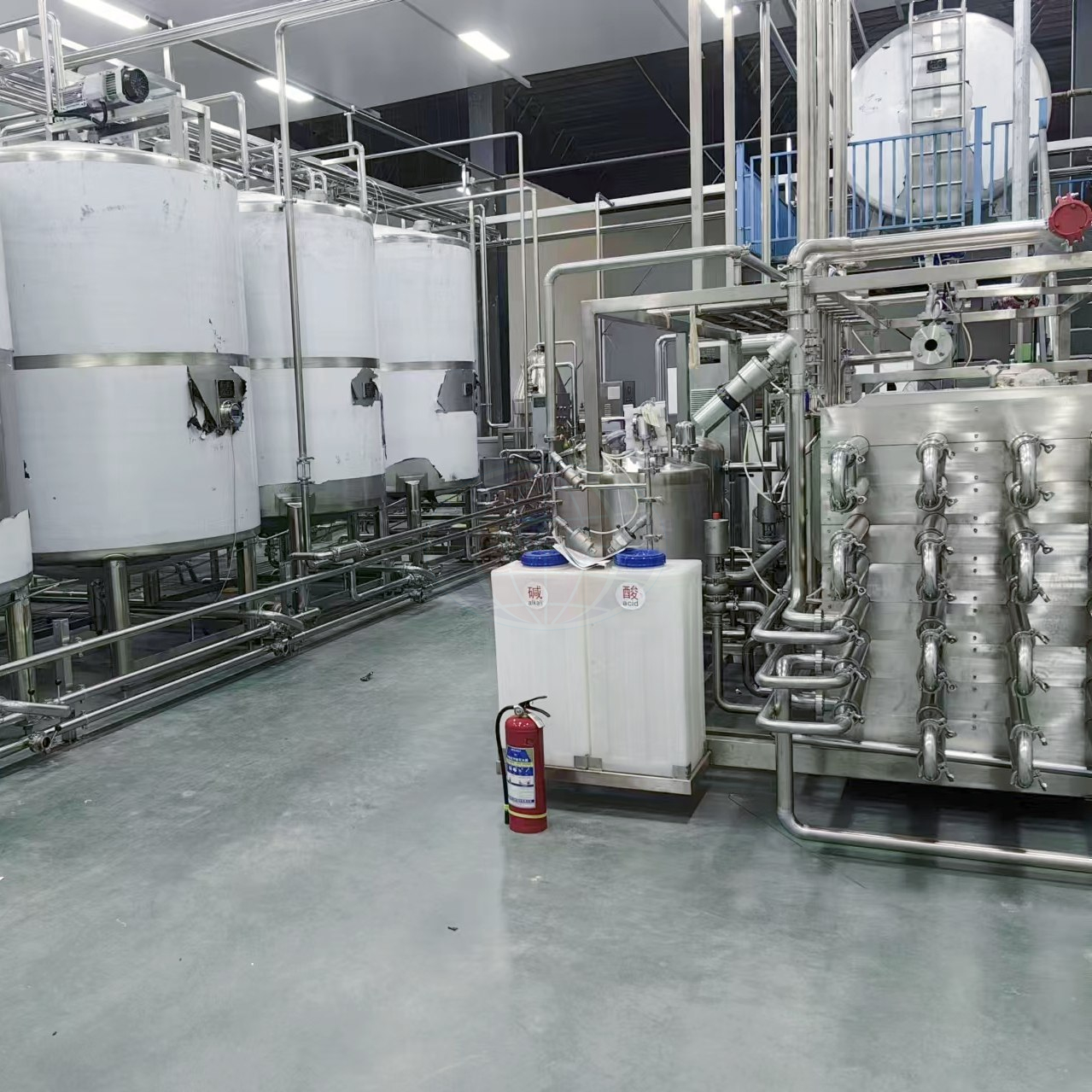
The integrity of a long-life dairy product begins long before the liquid ever reaches the heating phase. The reception and pre-processing stage is critical. It stabilizes the volatile raw material and prepares it for the rigorous thermal treatment ahead. Raw milk typically arrives at the processing facility in the early hours of the morning via heavily insulated tanker trucks. Upon arrival, quality control technicians draw samples through hygienic sampling valves. They test for antibiotic residues, somatic cell counts, titratable acidity, and overall bacterial load.
Given the highly perishable nature of raw milk, speed is essential. Once a batch passes inspection, it is immediately pumped through a regenerative plate heat exchanger. This drops its core temperature to approximately 4°C (39°F). The liquid is then transferred into massive, insulated stainless steel storage silos. These silos feature gentle, sweeping agitators that operate continuously. This mechanical agitation prevents fat from floating to the surface and halts any further bacterial multiplication.
Before the fluid can be standardized or heated, physical impurities must be aggressively removed. The milk is piped into centrifugal clarifiers spinning at thousands of revolutions per minute. This immense centrifugal force separates dense, unwanted particles—such as microscopic dirt and somatic cells—from the lighter liquid milk. Furthermore, to ensure a consistent final product, the facility utilizes centrifugal separators. These divide the lighter milk fat (cream) from the heavier skim milk. Using automated blending valves, operators precisely reintroduce a specific percentage of cream back into the skim matrix. This ensures every carton perfectly matches strict nutritional labels.
Once standardized, the liquid must undergo a severe physical modification. Without this crucial intervention, the fat molecules would naturally clump together and rise to the surface over time. In a product designed to sit on a pantry shelf for over half a year, opening a carton to find a thick, solid layer of cream blocking the spout is unacceptable. Consumers demand a perfectly smooth texture.
To prevent fat separation, the fluid is routed through a high-pressure milk homogenizer. This robust piece of machinery operates on purely mechanical physics. The standardized milk is forced through a microscopic mechanical gap under extreme pressure, typically ranging from 150 to 250 bar (2,100 to 3,600 psi). The sudden, violent drop in pressure, combined with high-velocity turbulence, causes intense shear forces and cavitation.
In raw milk, fat globules range from 3 to 10 micrometers in diameter. The homogenizer shatters these globules into microscopic fragments usually less than 1 micrometer wide. Modern facilities typically employ a two-stage homogenization approach. The first stage applies the crushing high pressure to obliterate the fat globules. Because these newly formed, tiny fat particles tend to magnetically cluster together, a second stage applies a much lower pressure (around 30 to 50 bar). This breaks up the clusters. It guarantees the fat remains permanently suspended within the liquid, ensuring a luxurious mouthfeel from the first day of packaging to the end of its shelf life.
The defining phase of the entire operation occurs within the thermal processing unit. This is the exact moment the product achieves commercial sterility. The fluid is first gently pre-heated to around 80°C using regenerative heat exchangers. This is an ingenious engineering setup that recovers waste heat from the already sterilized milk as it cools down, saving massive amounts of utility energy.
Following pre-heating, the milk enters the UHT sterilizer to hit the target 137°C to 140°C threshold. The liquid flows through a precisely measured stainless steel holding tube. The physical length of this tube, mathematically combined with the flow rate of the pumps, guarantees that every single drop experiences the extreme heat for exactly 2 to 4 seconds.
Dairy engineers must choose between two primary thermodynamic methods for this stage. Direct heating involves injecting culinary-grade steam directly into the milk, resulting in near-instantaneous temperature spikes and drops. This rapid profile preserves the natural, fresh flavor exceptionally well. However, it requires complex vacuum cooling to extract the added water from the condensed steam. In contrast, indirect heating keeps the milk and the heating medium separated by a physical barrier, usually a corrugated tubular heat exchanger. While indirect systems are slightly slower to heat and cool, they are vastly more energy-efficient, easier to maintain, and represent the industry standard for most commercial operations.
Heating the liquid to 140°C solves only half of the preservation puzzle. If commercially sterile milk is exposed to regular ambient air for even a fraction of a second, it will immediately become contaminated. Airborne bacteria and mold spores will cause it to sour and bloat within days. Therefore, the packaging phase must be executed under flawless, hospital-grade hygienic conditions.
The entire packaging sequence occurs inside a sealed, heavily pressurized chamber within the aseptic filling machine. This internal zone is continuously flushed with sterile, HEPA-filtered air to create a positive pressure environment. If a microscopic leak were to occur in the machine's casing, the outward force of the sterile air pushes out. This prevents any unsterilized factory air from breaching the filling zone.
The operation synchronizes the chemical sterilization of the packaging material with the delivery of the sterile fluid. First, the packaging passes through a heated hydrogen peroxide (H2O2) bath. Next, the material is blasted with high-intensity UV lights and sterile hot air. This instantly evaporates the hydrogen peroxide so no chemical residue touches the food. Finally, the cooled, sterile milk is piped directly into the sterile chamber, dispensed into the packaging, and hermetically sealed below the liquid level. This under-level sealing ensures no ambient oxygen is trapped inside the carton, which could otherwise degrade sensitive vitamins over the subsequent months.
To truly understand the engineering value of ultra-high temperature processing, plant managers must compare it directly with traditional pasteurization. The table below outlines the fundamental differences in thermal parameters and commercial outcomes.
| Parameter | UHT Processing | Traditional Pasteurization (HTST) |
|---|---|---|
| Target Temperature | 135°C - 140°C | 72°C - 75°C |
| Holding Time | 2 to 4 seconds | 15 to 20 seconds |
| Microbial Outcome | Commercial Sterility (Spores destroyed) | Pathogens destroyed (Spoilage bacteria remain) |
| Shelf Life | 6 to 9 months | 10 to 14 days |
| Storage Requirement | Ambient (Room Temperature) | Strict Refrigeration (4°C) |
Selecting the appropriate machinery is a critical decision. It dictates product quality, regulatory compliance, and overall profitability for decades. Overestimating capacity leads to underutilized machinery and wasted electricity. Conversely, underestimating results in frustrating production bottlenecks. Facilities must align their equipment specifications with both current market demand and projected future growth.
When engineering an aseptic milk line, metallurgical integrity is absolutely non-negotiable. Because the equipment handles highly acidic cleaning chemicals and endures violent temperature fluctuations, material selection is key. Standard structural frames can use SUS304 stainless steel. However, all product-contact areas, holding tubes, and internal valve mechanisms must strictly utilize SUS316L to prevent pitting and corrosion. Typical commercial lines offer capacities ranging from 1,000 L/H for boutique operations up to 20,000 L/H for massive export facilities.
Additionally, modern plants should prioritize advanced automation. Look for systems integrated with top-tier Siemens or Allen-Bradley PLC controls. These manage automated CIP (Clean-in-Place) and SIP (Sterilize-in-Place) protocols. Automated CIP ensures that precise concentrations of alkaline and acid detergents are circulated at the correct temperatures, guaranteeing hygiene without requiring technicians to manually dismantle heavy pipework.
Finally, piecing together components from disparate vendors often leads to software miscommunications and convoluted warranty disputes. It is highly recommended to partner with a single, reputable engineering firm capable of delivering a complete turnkey solution. This ensures seamless mechanical integration, unified factory acceptance testing, and reliable after-sales support.
The primary distinction lies in the thermal treatment parameters and the resulting shelf life. Pasteurized milk is heated to a mild 72°C for 15 seconds. This process destroys harmful pathogenic bacteria but leaves benign spoilage organisms intact, requiring continuous refrigeration and yielding a short shelf life of 1 to 2 weeks. Conversely, UHT milk is subjected to extreme heat—between 135°C and 140°C—for just 2 to 4 seconds. This intense shock achieves commercial sterility by eradicating all bacteria and heat-resistant spores, allowing the sealed product to be stored safely at room temperature for up to 9 months.
Yes, the fundamental architecture of the processing system is highly versatile. However, plant-based beverages such as oat, almond, or soy milk possess entirely different protein structures, starch contents, and viscosities compared to bovine milk. Operators must carefully adjust the homogenization pressures and modify the thermal holding times to prevent starch gelatinization and protein denaturation. Tubular heat exchangers are generally preferred for plant-based processing due to their robust ability to handle higher viscosities and mitigate internal tube fouling.
In an indirect heating setup, placing the homogenizer upstream (before the main extreme heating phase) provides significant technical advantages. Homogenizing the fluid beforehand ensures that the fat and proteins are uniformly distributed and stabilized. This optimization drastically reduces the rate of protein fouling—often referred to as "burn-on"—on the internal hot surfaces of the heat exchangers. By reducing this fouling, the plant can extend its continuous production run times significantly before a mandatory cleaning cycle is required.
Maintaining absolute sterility requires automated, closed-loop cleaning systems known as CIP (Clean-in-Place) and SIP (Sterilize-in-Place). The CIP process sequentially circulates water pre-rinses, heated caustic (alkaline) solutions, acid washes, and final purified water rinses through all pipes, tanks, and heat exchangers at high velocities. This scours away organic proteins and mineral scale. Immediately following CIP, the SIP protocol circulates highly pressurized steam or superheated water (typically above 121°C) throughout the entire sealed system to achieve absolute, hospital-grade sterility before the next batch of milk is introduced.
The capital investment for a complete production line varies drastically based on processing capacity, automation levels, and packaging formats. A small-scale pilot plant (e.g., 500 L/H) will require a vastly different budget compared to a fully automated, continuous 10,000 L/H industrial facility. Turnkey solutions that include raw milk reception, tubular sterilizers, aseptic fillers, and CIP systems offer the best ROI by minimizing installation downtime and integration errors.
While heating fluid to 140°C sounds energy-intensive, modern plants are incredibly efficient. State-of-the-art tubular and plate heat exchangers utilize regenerative heating and cooling. This means the hot, sterilized milk transfers its heat to the incoming cold raw milk. This regenerative process can recover up to 90% of the thermal energy, drastically reducing the demand on factory boilers and chilled water systems, thereby keeping operational costs low.
Transitioning to ambient dairy processing is a major engineering leap, but the elimination of cold-chain logistics makes it a highly profitable long-term strategy. Whether you are building a new facility from the ground up or upgrading an existing pasteurization plant, selecting the right turnkey equipment is paramount. For robust, sanitary, and highly automated dairy processing solutions tailored to your specific capacity needs, explore the professional equipment configurations at WFood Machinery to ensure your next production line operates flawlessly.