
Call Us
+86-15800763021
Send Us
Add
775 Chihua Road, Zhelin Town, Fengxian District, Shanghai
- All
- Product Name
- Product Keyword
- Product Model
- Product Summary
- Product Description
- Multi Field Search
Views: 0 Author: Site Editor Publish Time: 2026-09-28 Origin: Site

Global pizza demand is skyrocketing. Are your plant's throughputs actually hitting their daily targets? Producing pasta filata—the family of stretched-curd cheeses—is far more complex than simply mixing curds and whey. It requires exact thermal calibration and precise mechanical shear. Poor hardware choices do more than just slow down your shift. They literally wash your valuable butterfat down the drain. Let's break down the exact machinery you need to stop yield leakage, minimize wastewater, and scale up profitably.
Integrated Synchronization: A high-yield production line eliminates bottlenecks by matching the throughput of milling, stretching, and cooling phases.
Steam vs. Water: Upgrading from traditional hot water baths to direct steam injection directly boosts butterfat retention and slashes effluent treatment costs.
Toolless Versatility: Advanced molding equipment allows a single facility to pivot from 10kg pizza cheese blocks to fresh bocconcini with rapid, toolless changeovers.
Sanitary Automation: Investing in SUS304/316L stainless steel machinery with fully automated CIP (Clean-in-Place) capabilities protects product integrity and maximizes uptime.
Recent market data highlights a massive operational shift in commercial mozzarella processing. With global water scarcity and industrial effluent tariffs rising sharply, dairy plant managers are rapidly moving away from traditional water-heavy stretching methods. The industry standard is pivoting toward closed-loop and direct steam injection technologies. On top of that, end-to-end automation is no longer just a luxury—it is a necessity. To combat persistent labor shortages and ensure consistent quality, high-capacity plants are integrating continuous lines equipped with robotic block molders and automated brining cranes. The overarching goal is clear: maximize raw material retention while drastically reducing human intervention on the factory floor.
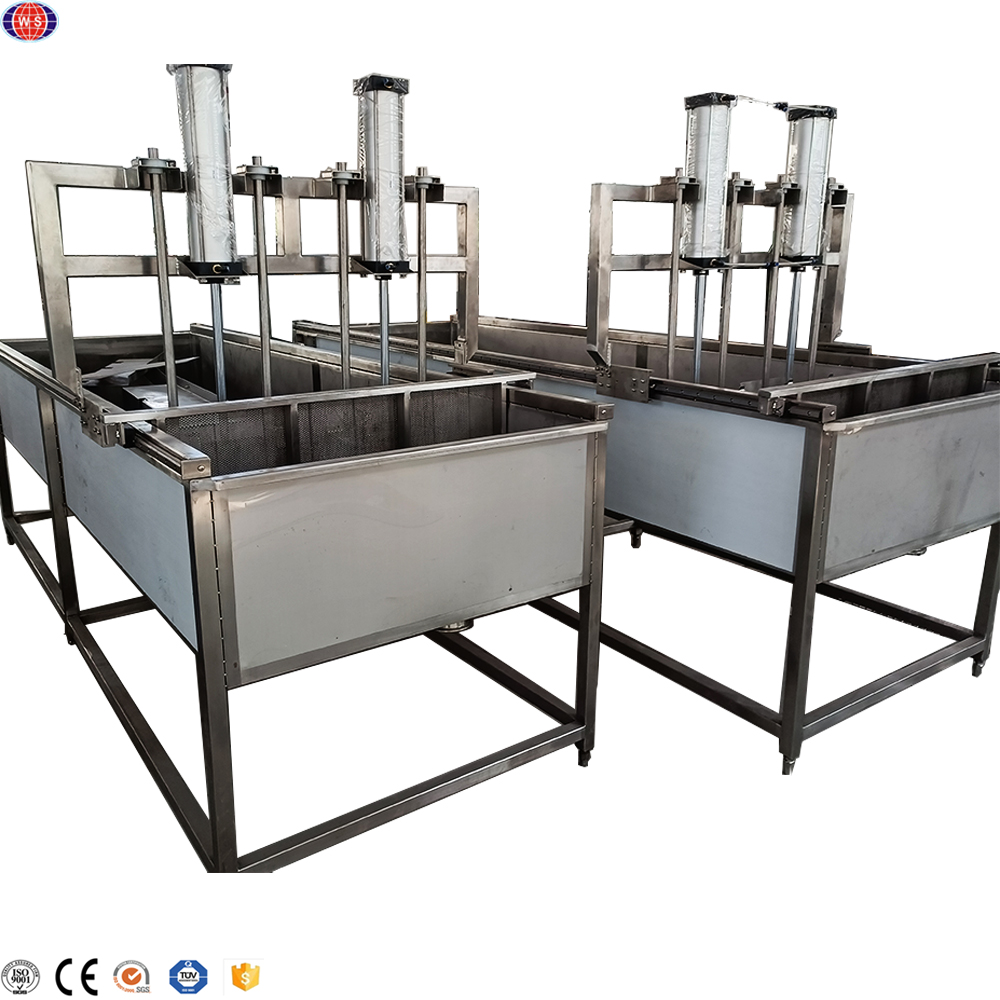
Industrial mozzarella manufacturing demands a flawless sequence of biochemical and mechanical events. Step onto the floor of a modern dairy plant, and you will see the process kick off with raw milk pasteurization, followed by standard rennet coagulation. Once the milk forms a firm gel, it is cut to expel the whey. The milled curd then enters the most critical phase: mechanical treatment.
What sets a dedicated cheese processing line apart from standard cheddar or gouda setups is the "pasta filata" (spun paste) method. The curds are heated and kneaded under specific torque until they form a fibrous, elastic structure. This exact mechanical shear dictates the final meltability, stretch, and blister profile of the cheese on a pizza.
Today's "Best Practice Lines" run in continuous synchronization. When you align the processing speeds of the milling, stretching, and molding stations, you eliminate product pile-ups. The result? A smoother thermal transition, lower energy draw, and significantly higher daily yields.
Stretching acts as the bridge between raw curd and finished cheese. At this stage, the biochemistry must be perfectly dialed in. The curd pH must sit tightly between 5.1 and 5.4. Too high? The cheese simply refuses to stretch. Too low? The protein matrix breaks down into a mushy paste. Once the pH is locked, precise temperature control takes over to plasticize the proteins without forcing the fat to separate.
Historically, operators submerged milled curds in 70°C to 85°C water baths. Twin mechanical augers would fold the mass, aligning the casein fibers. This method works well for high-moisture fresh mozzarella. However, the financial drawback for industrial scale is severe. As the curd kneads in water, a measurable percentage of butterfat and soluble proteins leach into the bath. You lose product yield, and worse, you generate high-BOD (Biochemical Oxygen Demand) wastewater that costs a fortune to treat.
To fix this, modern facilities deploy steam-injected cheese stretching machine systems. Instead of a liquid bath, direct culinary steam hits the curd inside an enclosed, jacketed chamber. The augers knead the mass under strict PLC (Programmable Logic Controller) parameters.
The business case for steam is undeniable. Zero excess water means the fat stays inside the cheese matrix. You get a direct, measurable bump in overall yield. For plants focusing on low-moisture part-skim (LMPS) pizza cheese, this translates to a remarkably fast ROI.
| Parameter | Traditional Hot Water Stretching | Modern Steam Injection Stretching |
|---|---|---|
| Heating Medium | 70°C - 85°C Water Bath | Direct Culinary Steam |
| Butterfat Retention | Moderate (Leaches into water) | High (Fat locked into protein matrix) |
| Wastewater (BOD) | High Volume / High Treatment Cost | Minimal / Drastically Lower Cost |
| Best Application | Fresh high-moisture Bocconcini | LMPS Pizza Blocks, String Cheese |
Once plasticized, the hot cheese paste must be molded instantly. Picture a continuous flow of 60°C pliable paste. If it cools during transfer, it hardens. Trying to force cold cheese into a mold tears the delicate protein fibers, ruining the texture.
Fresh mozzarella, boasting a moisture content of 50% to 60%, is highly fragile. Rotary molding carousels handle this with care. The hot paste fills specialized drum cavities, gets cleanly cut, and drops straight into a chilled bath to prevent the balls from collapsing under their own weight.
Industrial pizza cheese requires a completely different approach. Facilities need dense, air-free 2.5kg to 10kg blocks designed for commercial shredders. Here, heavy-duty cheese forming equipment takes over. Twin-screw extruders force the paste into micro-perforated stainless steel or Teflon-free polymer molds. If the extrusion pressure fluctuates by even a few bar, you get air pockets—which leads to inconsistent shredding and poor melt characteristics.
For string cheese, the die plates must align the fibers longitudinally. If the extrusion speed or cooling rate is off by just a fraction, the final stick will snap cleanly in half instead of peeling into strings.
Freshly molded cheese is structurally vulnerable. You must crash the core temperature immediately to stop the cooking process and solidify the butterfat network.
Ambient air cooling is a massive waste of factory floor space. High-capacity plants use automated chilled water flumes. The molded cheese drops into a flowing 1°C to 4°C stream. The flume brilliantly serves two purposes: it gently transports the product down the line while rapidly plunging its core temperature.
Next comes the salt. Salt stops bacterial growth, builds the protective rind, and develops the flavor. High-volume dairy machinery utilizes dynamic multi-tier brining racks. Blocks are submerged in an 18% to 22% saline solution. Automated overhead cranes handle the loading and unloading, ensuring precise osmosis times without manual lifting or operator strain.
Stand-alone, disconnected machines are obsolete. Modern integration relies on centralized PLC panels, precision sensors, and sanitary conveyors to synchronize the entire product journey.
In the dairy sector, hygiene is non-negotiable. One bacterial dead spot can trigger a massive recall. Look for equipment built exclusively from food-grade SUS304 or 316L stainless steel. Welds must be ground flush and smooth. The entire system must feature fully integrated Clean-in-Place (CIP) spray balls and manifolds. This allows for multi-step caustic and acid washes without operators needing to dismantle heavy augers or pipework.
Procuring industrial hardware is an exercise in risk mitigation. How do you specify the right mozzarella cheese equipment to ensure long-term profitability?
Don't just look at a machine's maximum kg/h rating. If your line runs constantly at 100% capacity, mechanical wear accelerates rapidly. Conversely, running a massive machine at 40% bleeds energy. Look for modular systems—ranging from 500kg/h to 2000kg/h capacities—that allow you to add cooling flume extensions or larger molding carousels in the future without ripping up your factory floor.
Purchase price is just the down payment. Calculate your TCO over a 10-year operational window. Factor in CIP chemical usage, steam consumption, and effluent treatment tariffs. Above all, evaluate butterfat retention guarantees. In pasta filata manufacturing, a machine that saves just 1% more fat pays for itself in a matter of months.
Never accept delivery without a comprehensive Factory Acceptance Test (FAT). Run actual product through the machinery at the manufacturer's site. Verify the auger torque, steam valve responsiveness, and CIP spray coverage to ensure it meets your exact specifications before it hits your floor.
Mastering the thermal and mechanical shear phases is the undeniable secret to profitable pasta filata production. By upgrading to steam-injected, CIP-ready, fully automated lines, you lock in product consistency, increase yield, and slash daily wastewater costs. Ready to optimize your daily throughput? Evaluate your current bottlenecks, prioritize fat retention, and invest in hardware built for relentless commercial demands. To explore technical specifications, throughput capacities, and customized SUS304/316L configurations for your plant, browse the professional solutions at Wfoodmachinery and secure your competitive edge today.
The primary differences lie in moisture management, stretching parameters, and the forming equipment. Fresh mozzarella is high-moisture (over 52%). Its line uses gentle rotary molding machines that drop delicate cheese directly into cold water. Pizza cheese (LMPS) has moisture controlled between 45% and 52%. Its equipment utilizes higher mechanical torque and heavy-duty extruders to press the cheese into dense 2.5kg to 10kg blocks, optimized for commercial shredders.
Yes. Modern industrial stretching machines are equipped with Variable Frequency Drives (VFDs) and PLC systems. By adjusting the rotational speed of the kneading augers, residence time, and steam pressure, a single machine can process mozzarella, provolone, kashkaval, and oaxaca on the same day.
Steam technology maximizes yield and minimizes environmental impact. Traditional hot water washes away valuable butterfat and water-soluble proteins. Direct steam injection eliminates the water bath entirely, locking the fat and protein into the cheese matrix. This increases your final product weight and drastically reduces the BOD levels in your wastewater.
This depends entirely on the product's mass and geometry. Small bocconcini balls cool rapidly in 1°C to 4°C flumes within 10 to 15 minutes and often skip deep brining. A commercial 10kg pizza cheese block, however, requires 2 to 4 hours in a primary cooling flume to drop its core temperature, followed by 12 to 24 hours in deep saline vats to achieve proper salt penetration.
Look for construction entirely from SUS304 or 316L stainless steel with smooth, ground welds. Avoid traditional Teflon coatings that degrade and flake into the food; instead, seek advanced mechanical surface treatments or specialized food-safe polymer inserts. Crucially, the machinery must feature automated CIP (Clean-in-Place) capabilities.
The optimal pH window for stretching pasta filata curds is highly specific, typically landing between 5.1 and 5.4. Within this narrow range, the calcium bonds in the casein protein matrix loosen just enough to allow the fibers to align and stretch smoothly. If the pH is too high, the curd remains rigid; if it drops below 5.0, the structure breaks down into a soft, unworkable paste.
Automated CIP systems drastically reduce mechanical downtime between production shifts. Instead of engineers spending hours manually dismantling augers, extrusion dies, and pipework for scrubbing, a centralized PLC runs calibrated caustic, acid, and sanitizing flushes through built-in spray balls. This guarantees consistent microbiological safety while adding hours of active production time back into your daily schedule.