
Call Us
+86-15800763021
Send Us
Add
775 Chihua Road, Zhelin Town, Fengxian District, Shanghai
- All
- Product Name
- Product Keyword
- Product Model
- Product Summary
- Product Description
- Multi Field Search
Views: 0 Author: Site Editor Publish Time: 2026-08-21 Origin: Site

Mangoes pack a high concentration of insoluble dietary fiber and pectin. This creates severe rheological challenges for industrial beverage manufacturing. The cellular structure forms a highly viscous puree that resists smooth flow through standard piping and valve systems. If you fail to manage this fiber before the filling stage, you face clogged filler nozzles and inconsistent dosing weights. You also risk thermal processing inefficiencies like burn-on and phase separation in the final packaging. Optimizing a modern mango juice production line requires a systematic approach. You need mechanical separation, enzymatic treatment, and homogenization. These steps ensure continuous filling operations. They minimize downtime and maintain strict quality control. Addressing fiber early stabilizes the product and maximizes equipment uptime.
Coarse vs. Fine Separation: Effective fiber management requires a multi-stage approach, utilizing turbo refiners for coarse extraction and decanter centrifuges for fine solids regulation.
Filling Efficiency: Controlling insoluble solids directly dictates the volumetric accuracy and uptime of the filling carousel by preventing mechanical blockages.
Yield vs. Quality Trade-offs: Aggressive fiber removal improves filling speeds and shelf stability but can negatively impact total juice yield and authentic mouthfeel.
Equipment Versatility: Modular separation equipment can be calibrated to handle multiple high-fiber fruits, allowing the same infrastructure to function as a pineapple juice production line with minimal changeover.
Long-chain mango fibers bridge across narrow openings. This creates massive bottlenecks at the filling station. When fibrous puree reaches piston, gravity-fed, or electronic flowmeter filling valves, insoluble material builds up around internal seals and valve seats. This bridging effect restricts fluid flow. It leads to incomplete fills and triggers constant alarms on automated packaging equipment. Mango fiber does not easily shear under low pressure. It acts like a net, catching smaller particles until a complete blockage stops the line.
Nozzle design dictates how well you handle fibrous liquids. Standard drip-free valves fail because mango pulp overwhelms the internal mesh designed to hold surface tension. You need clean-cut, positive-shutoff pneumatic nozzles. These specialized nozzles use mechanical shearing action to physically cut through bridging fibers at the end of the dosing cycle. This stops fiber-induced dripping that contaminates the bottle neck and ruins capping operations.
Micro-stoppages from these blockages hit production hard. Inconsistent dosing causes product giveaway or rejected under-filled bottles. Volume variations disrupt downstream packaging synchronization. Splashing during high-speed filling creates unsanitary conditions requiring frequent manual washdowns. Over a single shift, these brief interruptions compound. They drastically reduce the overall equipment effectiveness of the mango juice processing line.
High particulate loads alter the heat transfer coefficient inside tubular and plate heat exchangers. Mango fiber acts as an insulator. It prevents uniform heat distribution throughout the liquid matrix. When processing thick, unrefined mango puree, fluid dynamics shift from turbulent to laminar flow. Laminar flow creates a boundary layer of slow-moving, overheated product against the heat exchanger walls. Meanwhile, the center of the flow stays below the target pasteurization temperature. Operators often increase thermal exposure to compensate, which degrades the nutritional and sensory profile of the juice.
This dynamic increases the risk of fouling, known as burn-on. Fibrous material sticks to the hot metal surfaces of the heat exchanger. It bakes onto the plates or tubes, dropping thermal efficiency further. Burn-on creates scorched off-flavors that ruin the authentic taste of the mango. Severe fouling forces premature Clean-in-Place (CIP) interruptions. You have to shut down the entire line mid-shift for extended chemical cleaning cycles.
Unmanaged fiber causes syneresis and phase separation. When large, irregular fiber particles float in the liquid, gravity eventually pulls them down. Over time, heavy insoluble solids settle at the bottom of the bottle. A clear, watery layer forms at the top. Consumers hate this phase separation. It signals poor manufacturing quality, even if the product remains perfectly safe to drink.
You must establish baseline success criteria early. Decide if the final product will be a stable suspension or a clarified juice. Achieving a stable suspension means reducing fiber particle size enough to stay buoyant within the pectin matrix. Producing a clarified product requires near-total removal of insoluble solids without stripping volatile flavor compounds. Balancing these requirements keeps the sensory profile authentic while delivering the right visual appeal on the retail shelf.
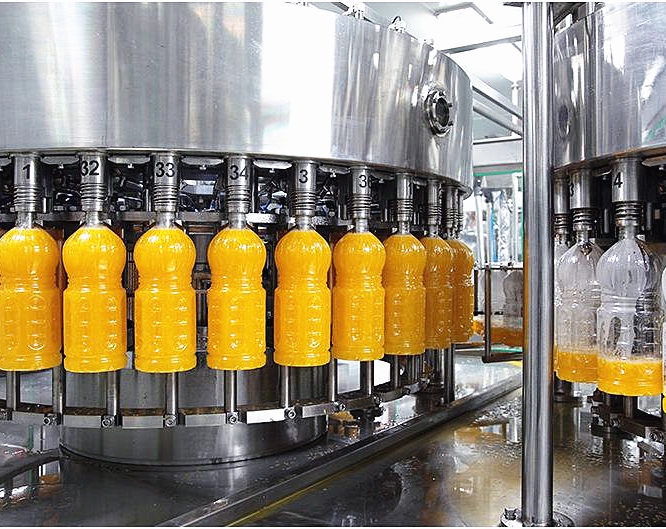
The initial separation of mango pulp from the bulk fibrous matrix relies on turbo refiners and pulping machines. Single-stage pulpers provide basic extraction. They force mashed fruit through a perforated screen using rotating paddles. Dual-stage pulping systems offer much better control. The first stage handles aggressive removal of large fibers, seeds, and skin fragments. The second stage refines the resulting puree, ensuring a uniform consistency before it moves downstream.
Screen configuration parameters control this extraction. Initial extraction screens feature perforations ranging from 1.2mm to 1.5mm. This size lets viscous pulp pass through while holding back coarse, stringy fibers that cause mechanical jams. Refining screens use tighter tolerances, usually between 0.4mm and 0.8mm, for fine puree polishing. This dual-screen approach maximizes juice yield while stepping down the particulate size systematically.
| Pulping Stage | Screen Size | Primary Function | Target Material Removed |
|---|---|---|---|
| First Stage (Coarse) | 1.2mm - 1.5mm | Bulk extraction | Seeds, skins, large stringy fibers |
| Second Stage (Fine) | 0.4mm - 0.8mm | Puree polishing | Medium fibers, residual grit |
Horizontal decanter centrifuges are mandatory in a modern juice production line for precise insoluble solids control. These machines spin the mango puree at high speeds. They use centrifugal force to separate heavier solid fibers from the lighter liquid phase. The continuous rotation of an internal scroll conveyor pushes separated solids toward the discharge port. The clarified liquid flows in the opposite direction.
Achieving the target fiber percentage requires careful calibration of G-force parameters. You typically set this between 3,000 and 4,000 G for mango processing. You must adjust differential scroll speeds to manage the residence time of solids inside the bowl. Weir plate adjustments dictate the depth of the liquid pool inside the centrifuge. This directly impacts the clarity of the discharged juice. Fine-tuning these variables lets you dial in the exact viscosity required by your filling equipment.
Mechanical separation alone rarely handles the complex rheology of mango puree. Enzymatic treatment applies targeted pectinases, cellulases, and hemicellulases inside holding tanks. These enzymes break down complex carbohydrate structures and long-chain pectins that bind water and create high viscosity. By cleaving these molecular bonds, enzymes release trapped liquid. This drops the thickness of the puree and improves the efficiency of later separation stages.
Successful enzymatic hydrolysis requires strict environmental control. You must hold the puree at 45°C to 55°C. This is the optimal activation zone for commercial pectinases. Monitor pH levels and calculate dosing concentrations in parts per million. Incubation times range from 30 to 120 minutes, depending on the initial fiber load and your target viscosity.
Once you hit the target viscosity, you must permanently deactivate the enzymes. If you don't, they will destroy the product structure. You do this through High-Temperature Short-Time pasteurization. Heat the treated juice rapidly to 85°C–90°C for exactly 30 seconds. This thermal shock denatures the enzymes, locking in the fluid profile before final blending and filling.
Microscopic residual fibers remain in the liquid even after refining and centrifugation. High-pressure homogenization stabilizes these remaining particles. The process forces the mango suspension through a highly engineered, narrow valve under extreme pressure. You typically use a two-stage homogenizer. Run the first stage at 150 to 200 bar, followed by 30 to 50 bar in the second stage. The intense pressure drop across the valve creates severe turbulence and cavitation.
This mechanical shearing physically tears residual fibers into uniform, microscopic particles. Standardizing the particle size prevents fiber agglomeration at the filling nozzles. It eliminates the particle bridging phenomenon that plagues untreated purees. The liquid flows smoothly and predictably through the filling carousel, regardless of the valve design.
The high fiber and pectin content of mangoes traps microscopic air bubbles during pulping, milling, and homogenization. Untreated entrained air causes severe operational and quality issues. Dissolved oxygen accelerates oxidative browning, destroying the vibrant color and flavor of the juice. Entrapped air expands during thermal processing and filling. This leads to product foaming and severe volume dosing inaccuracies.
Inline vacuum de-aerators resolve this issue. They operate under negative pressure, typically between -0.7 and -0.8 bar. The de-aerator flashes the heated juice into a vacuum chamber. The sudden pressure drop forces dissolved oxygen and micro-bubbles to expand and rupture. This separates the gas from the liquid. Removing this air stabilizes fluid density. It ensures volumetric fillers deliver precise, consistent weights into every bottle.
The physical stability of bottled juice follows Stokes' Law. This calculates the settling velocity of particles suspended in a fluid. The rate at which a particle falls is directly proportional to the square of its radius. By drastically reducing the particle size of residual fiber through homogenization, you exponentially decrease the settling velocity.
Combined with the natural viscosity provided by remaining soluble pectins, microscopic fiber particles stay suspended indefinitely. This precise manipulation of fluid dynamics prevents phase separation. It guarantees a homogenous, visually appealing appearance on the retail shelf throughout the product's lifespan.
Selecting separation equipment requires balancing maximum raw material utilization against the operational need for a low-viscosity liquid. Aggressive fiber removal yields a highly fluid, easily fillable juice. However, it strips away fruit mass, lowering overall volumetric yield. Retaining more fiber increases yield but risks overwhelming pasteurizers and filling valves.
Commercial implications dictate your equipment setup. Producing a thick mango puree requires equipment focused on particle size reduction rather than complete extraction. Producing a clarified mango juice demands heavy reliance on decanter centrifuges and extensive enzymatic treatment. You accept a lower yield in exchange for a premium, clear beverage profile.
Modern beverage facilities rarely process a single fruit year-round. Evaluating the modularity of decanters, refiners, and homogenizers is critical. High-quality separation equipment adjusts to handle different rheological profiles. This allows the same physical footprint to transition into a pineapple juice production line when seasonal availability shifts.
Transitioning between these fruits requires specific mechanical adjustments. Pineapple core fibers are highly abrasive compared to mango pulp. You need hardened wear parts inside the centrifuge scroll. Pineapples contain high levels of the enzyme bromelain, which requires altered thermal deactivation parameters. You must swap screen sizes in the turbo refiners to accommodate the specific vascular structure of pineapple. This ensures efficient juice extraction without excessive fiber shearing.
Fiber-handling equipment is highly susceptible to organic buildup. Hygienic design is a non-negotiable requirement for any fruit juice production line. Engineers must design equipment to prevent microbial harborage in dead legs, gaskets, and mechanical seals where fibrous pulp accumulates and evades standard cleaning cycles.
Effective CIP integration requires specific hydraulic parameters to clear stubborn fibrous buildup.
The CIP system must deliver a minimum fluid velocity of 1.5 m/s to provide adequate mechanical scouring action.
Chemical concentrations must utilize caustic soda at 1.5% to 2.0% to dissolve organic proteins and pectins.
Follow with a nitric acid wash at 0.5% to 1.0% to neutralize the system and remove mineral scale.
Ensure all spray balls have full coverage over internal centrifuge bowls and homogenizer blocks.
Mangoes are not a uniform raw material. You will see significant natural variations in fiber content, sugar levels, and pectin density between cultivars like Alphonso, Tommy Atkins, Kent, and Kesar. A static equipment setting that works perfectly for Alphonso mangoes will cause severe clogging when processing the highly fibrous Tommy Atkins variety.
To mitigate these fluctuations, implement inline viscosity monitoring. Use rotational or vibrational viscometers positioned immediately after the extraction stage. These sensors provide real-time data to the central PLC. This allows for automated dilution or blending controls. By dynamically adjusting water or enzyme dosing rates based on live viscosity readings, you maintain a perfectly consistent feed rate to the filler.
The mechanical intensity of high-speed rotating equipment cannot be overstated. Centrifuges and homogenizers are constantly exposed to abrasive organic fibers, high pressures, and residual stone grit. Without rigorous oversight, this environment leads to rapid component degradation.
Implement a strict preventative maintenance framework to prevent catastrophic downtime. Maintenance schedules must dictate frequent screen replacements, routine seal inspections, and precise bearing lubrication protocols based on operating hours. Comprehensive operator training ensures floor staff identify abnormal vibration or pressure fluctuations early. This allows for planned interventions rather than emergency repairs during peak production runs.
Effective fiber management is a mechanical prerequisite for efficient, continuous-flow juice filling. By systematically reducing, modifying, and stabilizing insoluble solids, processors eliminate the primary causes of equipment fouling and volumetric inaccuracies.
Base your equipment selection on the target product profile, required throughput, and the specific fiber characteristics of your regionally sourced mangoes.
Conduct pilot-scale trials with your specific raw mango stock before finalizing equipment procurement.
Determine the exact centrifuge G-force settings, enzymatic dosing concentrations, and homogenization pressures required to achieve a stable liquid matrix.
Implement automated inline viscosity monitoring to handle natural variations across different mango cultivars.
A: For high-speed filling without mechanical bridging, reduce insoluble solids below 3% to 5% for nectars, and near 0% for clarified juices. The exact percentage depends on the specific valve design of the filling carousel and the desired mouthfeel.
A: High fiber content increases viscosity, shifting fluid dynamics from turbulent to laminar flow. This insulates the liquid, reducing the heat transfer coefficient. Operators must increase pasteurization temperatures or extend holding times to ensure the core reaches the required lethality.
A: Yes, horizontal decanter centrifuges are highly modular. Transitioning requires adjusting the differential scroll speed, modifying weir plates, and ensuring internal wear parts are hardened to handle the highly abrasive nature of pineapple core fibers.
A: Separation occurs when heavy, irregular fiber particles settle out of the liquid phase due to gravity. High-pressure homogenization shears these fibers into uniform, microscopic particles. This drastic reduction in particle size slows the settling velocity, keeping solids suspended indefinitely.
A: Primary indicators include inconsistent fill weights, frequent under-fill alarms, product dripping from nozzles between cycles, and splashing during the dosing phase. You will also notice pressure spikes in the feed manifold as pumps struggle to push fluid.
A: Enzymatic treatment requires an incubation period of 30 to 120 minutes. Hold the puree at an optimal activation temperature, usually between 45°C and 55°C, to allow pectinases and cellulases to efficiently break down complex carbohydrate structures.
A: The pulping process traps microscopic air bubbles within the thick pectin matrix. If not removed via vacuum de-aeration, this entrapped air causes oxidative browning, reduces thermal efficiency during pasteurization, and leads to severe foaming and volumetric inaccuracies during filling.