
Call Us
+86-15800763021
Send Us
Add
775 Chihua Road, Zhelin Town, Fengxian District, Shanghai
- All
- Product Name
- Product Keyword
- Product Model
- Product Summary
- Product Description
- Multi Field Search
Views: 0 Author: Site Editor Publish Time: 2026-08-14 Origin: Site
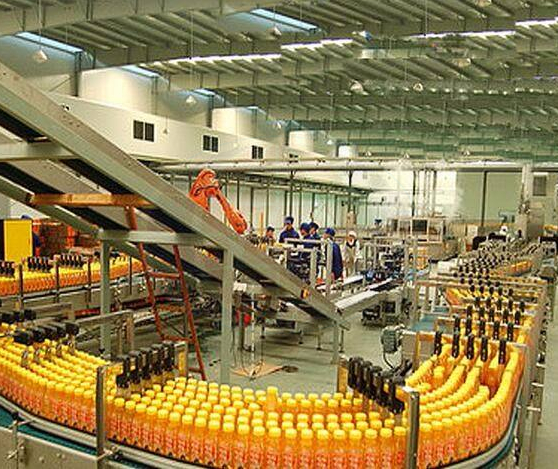
Transitioning from small-batch processing to industrial-scale juice manufacturing requires moving beyond basic extractors to a highly synchronized, continuous, and automated system. Factory operators face the complex challenge of specifying equipment that maximizes extraction yield, ensures strict food safety compliance, and minimizes operational downtime, all without overcapitalizing on unnecessary capacity. Selecting the wrong equipment leads to severe bottlenecks, degraded product flavor, and frequent maintenance halts.
To build a profitable operation, plant managers must evaluate each component of the line based on raw material characteristics and throughput requirements. A well-engineered facility balances aggressive extraction with flavor retention. This guide breaks down the essential juice making machinery required for modern factories and the technical criteria for evaluating them.
Equipment selection must align directly with the specific fruit profile (e.g., citrus vs. hard fruits vs. berries) to optimize extraction yield and prevent flavor degradation (bitterness from peels/seeds).
A commercially viable juice production line requires fully integrated stages: receiving, pre-treatment, extraction, filtration, processing, pasteurization, and packaging.
Scalability and sanitary design (utilizing food-grade stainless steel 304/316L) are non-negotiable baselines for regulatory compliance and long-term facility viability.
Before specifying individual machines, factory engineers must define the operational parameters of the facility. These parameters dictate the size, power, and configuration of every piece of equipment on the floor. Miscalculating these baseline metrics often results in stranded capacity or overworked machinery that fails prematurely under continuous load.
Plant operators constantly balance the desire for maximum liquid extraction against the need for premium flavor profiles. Aggressive extraction methods apply immense mechanical pressure to the fruit mash. This approach yields a higher volume of juice per ton of raw material. However, excessive pressure easily crushes seeds and breaks down skin cell walls. This mechanical shearing releases bitter tannins, unwanted essential oils, and excess pectin into the juice stream, which complicates downstream filtration.
Gentle extraction methods prioritize quality over sheer volume. By applying lower pressure, the machinery leaves behind a wetter pomace but produces a sweeter, clearer liquid with a superior Brix-to-acid ratio. Establishing baseline metrics for acceptable yield percentages depends entirely on the fruit type and the target market. Apples typically yield between 70% and 80% juice by weight. Pushing an industrial apple press to extract 85% often degrades the final flavor, requiring expensive downstream membrane filtration to correct the profile.
Calculating required tons-per-hour (TPH) processing capacity requires analyzing the entire journey from orchard delivery to final packaging. A factory receiving 50 tons of fruit per day must size its receiving and washing equipment to handle peak delivery windows, not just a flat daily average. If trucks arrive primarily in the morning, the front-end machinery must process the surge quickly to prevent spoilage on the receiving dock.
To properly size your front-end receiving equipment, follow these sequential calculation steps:
Determine the maximum daily tonnage delivered by your agricultural suppliers during peak harvest season.
Divide the daily tonnage by your planned operating hours to establish the baseline Tons Per Hour (TPH).
Multiply the baseline TPH by a 1.5 surge factor to account for overlapping truck deliveries and unloading delays.
Size the receiving hopper and flume pumps to handle this surge capacity without overflowing onto the plant floor.
Calculate the required water volume for the flume system based on a standard 3:1 water-to-fruit ratio.
Smart facility design incorporates modular machinery. Modular systems allow operators to add capacity without replacing the entire line. Installing oversized piping, high-capacity transfer pumps, and larger heat exchanger frames during the initial build phase saves significant capital later. When demand increases, operators simply add an additional press or expand the holding tanks without tearing out the foundational infrastructure.
Investing in versatile machinery allows a single facility to process multiple fruit types across different harvest seasons. A flexible line might process berries in the spring, peaches in the summer, and apples in the fall. This requires equipment with interchangeable screens, variable speed drives on all conveyors, and highly programmable control systems that can store different recipe parameters.
Conversely, highly specialized, single-fruit lines dominate the citrus industry. Dedicated citrus facilities utilize machinery specifically engineered to handle the unique anatomy of oranges and grapefruits. While dedicated lines lack seasonal flexibility, they operate at maximum efficiency and produce superior quality for their specific fruit category. Operators must weigh the benefit of year-round operation against the efficiency of a specialized setup.
Food safety regulations dictate the physical construction of all processing equipment. Sanitary design is a strict engineering standard. Machinery must feature crevice-free, back-purged TIG welding to eliminate microscopic pockets where bacteria can multiply. All internal product-contact surfaces must be polished to specific roughness averages (Ra), typically below 0.8 micrometers, to prevent organic buildup and biofilm formation.
Sanitary fittings, such as Tri-Clamp connections or DIN unions, allow for rapid disassembly and visual inspection. Equipment design directly impacts a facility's ability to meet Hazard Analysis and Critical Control Point (HACCP) standards. Automated Clean-in-Place (CIP) systems rely on perfectly engineered spray balls and zero dead-legs in the piping to sanitize the line without manual scrubbing. Non-compliant machinery risks product recalls, failed audits, and facility shutdowns.
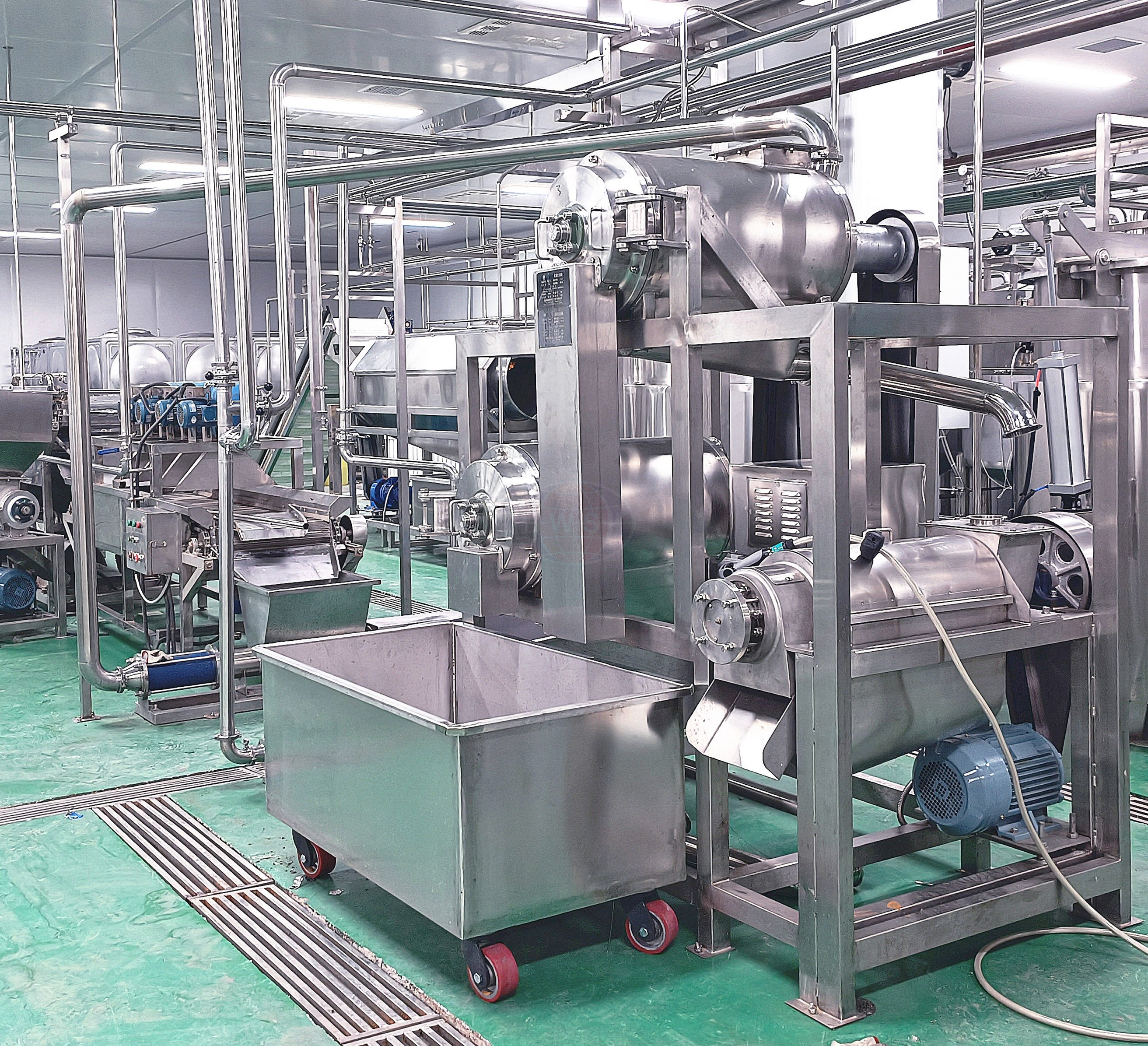
Industrial juice production operates as a continuous, synchronized sequence. Raw materials enter one end of the facility, and packaged, shelf-stable products exit the other. Each stage relies heavily on the performance of the preceding equipment. A bottleneck in the washing stage will starve the presses, while a failure in the pasteurizer will back up the entire extraction room.
The first stage focuses on safely transferring raw materials from delivery vehicles into the processing environment while removing contaminants, field debris, and defective produce.
Bulk Handling and Receiving Equipment: Facilities utilize automated hydraulic bin dumpers to empty massive crates of fruit onto receiving conveyors. For robust fruits like apples, water flume systems provide a gentle transfer method. The flumes use circulating water to float the fruit into the factory, preventing mechanical bruising during transit. Bulk silos hold hard vegetables and root crops before processing, utilizing live-bottom discharge screws to meter the product evenly onto the line.
Fruit Sorting Machines: Roller conveyors spin the fruit as it moves down the line, allowing human inspectors to spot defects from all angles. Modern lines integrate optical sorters. These machines use high-speed cameras, infrared sensors, and pneumatic air jets to instantly identify and eject rotten, green, or damaged produce before it contaminates the batch.
Washing Systems: Bubble washing machines use forced air to agitate a water bath, loosening heavy dirt and field debris from the fruit skin. Following the bubble bath, brush spray washers scrub the produce using rotating cylindrical brushes and high-pressure water jets. This combination effectively removes pesticide residues, bird droppings, and reduces the surface microbial load. The wash water is typically dosed with a sanitizing agent like peracetic acid or chlorine dioxide.
Peeling and Destoning Machinery: Thick-skinned fruits and stone fruits require specialized preparation. Mango destoners use rotating paddles to force the soft flesh through a heavy-duty screen, leaving the large seed intact. Peach pitters automatically slice the fruit and extract the stone using mechanical fingers. Removing these elements early prevents bitter compounds and shattered seed fragments from ruining the juice stream and damaging downstream pumps.
Extraction is the mechanical heart of the factory. The technology deployed here dictates the raw yield and the baseline quality of the liquid. Integrating the right Juice Production Line components at this stage is non-negotiable for profitability.
Crushers and Pulper Machines: Pome fruits, such as apples and pears, cannot be pressed whole. Hammer mills and grating crushers physically smash the fruit into a coarse mash. This pre-extraction breakdown drastically increases the surface area of the fruit, allowing the downstream presses to extract the maximum volume of liquid. The screen size on the hammer mill determines the coarseness of the mash, which must be tuned to the specific press being used.
Integrated Citrus Extractors: Citrus requires completely different handling. Specialized cup-type extractors process whole oranges instantly. Upper and lower metal cups interlock around the fruit. A stainless steel tube punches through the bottom, squeezing the internal juice out through the tube while simultaneously washing the bitter peel oil away from the exterior using a water spray ring. This prevents the oil from mixing with the sweet juice.
Industrial Presses: These machines apply immense force to separate liquid from solid fiber.
Belt Presses: Ideal for continuous, high-volume operations processing apples and root vegetables. The fruit mash feeds between two porous tensioned belts. As the belts wind through a series of decreasing-diameter rollers, pneumatic cylinders apply increasing pressure. This squeezes the juice through the belt mesh while the dry pomace discharges at the end. High-pressure spray bars continuously wash the returning belts to prevent blinding.
Screw Presses: Best suited for high-yield extraction of grapes, berries, and heavily fibrous materials. A large helical screw rotates inside a perforated cylindrical screen. The pitch of the screw decreases toward the discharge end, constantly increasing the pressure on the mash and forcing the liquid out through the screen. A pneumatic cone at the discharge end regulates the backpressure, allowing operators to fine-tune the moisture content of the exiting pomace.
Rack and Cloth / Hydraulic Presses: The gold standard for premium, cold-pressed operations. Operators wrap fruit mash in porous cloths and stack them between plastic or stainless steel racks. A hydraulic ram applies massive vertical pressure. While labor-intensive and batch-oriented, this method produces exceptionally clear juice with minimal oxidation and low suspended solids.
Centrifugal Extractors: High-speed decanter centrifuges offer a continuous alternative to traditional pressing for specific purees. By spinning the fruit mash at thousands of revolutions per minute, centrifugal force separates the heavier solid fibers from the lighter liquid juice. This method works exceptionally well for thick vegetable juices, tropical fruit purees, and recovering residual juice from press pomace.
Raw juice exiting the presses contains suspended solids, pulp, and cloudiness. Filtration machinery refines the liquid to meet specific product profiles, ranging from pulpy homestyle juices to crystal-clear concentrates.
Decanter Centrifuges: Often used immediately after pressing, decanters utilize centrifugal force to rapidly separate heavy suspended solids from the raw liquid. The machine features a rotating bowl and an internal scroll conveyor spinning at slightly different speeds. This creates a much cleaner product and prevents downstream fine filters from clogging prematurely.
Ultrafiltration Units: Facilities producing highly clarified juices rely on cross-flow membrane filtration. Ultrafiltration pushes the liquid through ceramic or polymeric membranes with microscopic pores. The liquid flows parallel to the membrane surface, which prevents the pores from plugging instantly. This process removes micro-particles, complex proteins, pectin, and remaining microbial loads, resulting in a perfectly transparent liquid that will not settle or turn cloudy on the store shelf.
Before thermal treatment, the juice must be stabilized, blended, and staged for continuous flow into the pasteurizers.
Bulk Storage and Holding Tanks: Giant, temperature-controlled stainless steel tanks hold the raw juice. These buffer tanks ensure the pasteurizers receive a steady, uninterrupted flow of liquid, preventing the thermal equipment from running dry. They are equipped with load cells to provide exact weight measurements for inventory control.
Standardization and Blending: Natural fruit varies in sweetness and acidity depending on the harvest. Jacketed mixing tanks equipped with heavy-duty sweep agitators allow operators to blend different batches. This ensures absolute consistency in flavor, Brix levels, and pH across massive production runs. Ingredients like citric acid, ascorbic acid, or natural flavorings are introduced here.
Deaeration Equipment: The crushing and pressing stages introduce significant amounts of oxygen into the liquid. Vacuum deaerators pull the juice into a low-pressure chamber, forcing the dissolved oxygen to boil out of the liquid at low temperatures. Removing oxygen prevents enzymatic browning, protects vitamin C content, and stops the juice from foaming during the high-speed filling process.
Thermal treatment guarantees food safety and extends shelf life by destroying spoilage microorganisms and deactivating enzymes.
HTST (High-Temperature Short-Time) Pasteurizers: Standard clear juices run through plate heat exchangers. The juice flows across corrugated stainless steel plates heated by steam or hot water on the opposite side. The liquid rapidly reaches pasteurization temperature (typically around 85°C to 95°C) for 15 to 30 seconds in a holding tube before being instantly cooled. Plate heat exchangers are highly efficient due to regeneration sections, where hot outgoing juice pre-heats the cold incoming juice, but they easily clog if the juice contains heavy pulp.
UHT (Ultra-High Temperature) and Tubular Sterilizers: Juices with high pulp content, high viscosity, or those destined for aseptic packaging require tubular heat exchangers. The juice flows through a central tube surrounded by a heating jacket. This design handles thick liquids and particulates without clogging, achieving the extreme temperatures (up to 135°C) required for commercial sterility.
The final machinery stage dictates how the product is stored and distributed to consumers.
Aseptic Filling: The machinery sterilizes the packaging material (cartons or pouches) using hydrogen peroxide vapor and fills it with commercially sterile juice inside a sealed, sterile environment. This complex machinery allows the final product to be stored at ambient room temperature for months without spoilage.
Hot Fill: The machinery fills the bottles while the juice is still hot (around 85°C). The bottle is immediately capped and inverted. The heat of the juice sterilizes the inside of the bottle and the cap. This method is common for high-acid juices in glass or heat-resistant PET plastic. A cooling tunnel immediately follows the filler to bring the product temperature down and prevent flavor degradation.
Cold Fill: Used for fresh, premium juices. The liquid is filled at low temperatures. Because the heat does not sterilize the container, cold-filled juices require strict refrigerated supply chains or secondary treatments like High Pressure Processing (HPP) to maintain safety and shelf life. The filling environment must be kept under positive pressure with HEPA-filtered air to prevent contamination.
Selecting the correct Juice Making Machinery requires matching the mechanical action of the equipment to the physical properties of the raw material. A mismatch results in poor yields, frequent breakdowns, and compromised product quality.
A reliable decision framework pairs fruit anatomy with extraction physics. Citrus fruits contain bitter oils in their flavedo (outer peel) and albedo (white pith). Running whole oranges through a hammer mill and a belt press would crush these bitter components directly into the juice, rendering it undrinkable. Therefore, inline cup extractors that bypass the peel entirely are mandatory for citrus.
Conversely, apples and pears have thin skins and dense, fleshy interiors. They require aggressive physical disruption. Hammer mills shatter the rigid cell walls, and belt presses apply the sustained mechanical pressure needed to wring the liquid from the dense fiber. Grapes and berries are soft but contain seeds that release astringent tannins if crushed. Screw presses with carefully calibrated pitch and screen sizes extract the juice while leaving the seeds intact.
Modern factories rarely rely on a single piece of extraction equipment. Engineers design hybrid setups utilizing multiple machines in sequence to maximize total yield from the pomace. A primary extraction stage might capture the highest quality, free-run juice. The remaining wet pomace then moves to a secondary extraction stage.
For example, a facility processing tropical fruits might use a pulper to separate the heavy puree, followed immediately by a decanter centrifuge to spin out the remaining fine solids. In apple processing, a primary screw press might extract 70% of the juice. The discharged pomace, still containing valuable liquid, drops onto a secondary belt press. The belt press squeezes the remaining moisture out, pushing the total facility yield closer to 85%. This tandem approach ensures no usable product goes to waste in the discharge bins.
Facility layout and labor allocation depend heavily on whether the extraction machinery operates continuously or in batches. Continuous systems, such as belt presses and centrifugal extractors, run without interruption. Raw material flows in, and juice flows out simultaneously. These systems require minimal operator intervention, drastically reducing labor overhead. They also maintain a smaller physical footprint relative to their massive throughput capacity.
Batch systems, primarily hydraulic rack and cloth presses, operate in discrete cycles. Operators must load the mash, run the press cycle, decompress the machine, and manually empty the dry pomace before starting the next batch. While labor-intensive and slower, batch processing offers unparalleled control over the pressing environment. It produces the highest quality, lowest-oxidation juice preferred by premium cold-pressed brands. Factory managers must evaluate whether the premium price commanded by cold-pressed juice offsets the higher labor requirements and lower daily throughput.
Comparison of Industrial Juice Extraction Presses
| Press Type | Operation Mode | Best Suited For | Yield Efficiency | Labor Requirement |
|---|---|---|---|---|
| Belt Press | Continuous | Apples, Carrots, Hard Roots | High (75% - 82%) | Low (Automated) |
| Screw Press | Continuous | Grapes, Berries, Fibrous Mash | Very High (80% - 85%) | Low (Automated) |
| Hydraulic (Rack & Cloth) | Batch | Premium Cold-Pressed, Leafy Greens | Moderate (70% - 75%) | High (Manual Loading) |
| Cup Extractor | Continuous | Oranges, Lemons, Grapefruit | High (Optimized for Citrus) | Low (Automated) |
Thermal Treatment Specifications for Juice Production
| Pasteurizer Type | Heat Exchanger Design | Target Product Profile | Maximum Temperature | Clogging Risk |
|---|---|---|---|---|
| HTST (High-Temp Short-Time) | Corrugated Plate | Clear juices, low viscosity | 85°C - 95°C | High (if pulp is present) |
| UHT (Ultra-High Temp) | Tubular / Concentric Tube | Pulpy juices, purees, nectars | 110°C - 135°C | Low |
| Scraped Surface | Cylinder with internal blades | Highly viscous concentrates | Up to 140°C | Very Low |
Specifying equipment for an industrial juice facility requires precise alignment between raw material characteristics, desired product quality, and mechanical capabilities. Haphazardly assembling incompatible machines leads to operational bottlenecks and degraded flavor profiles. To ensure a successful deployment, take the following actions:
Map your facility layout to ensure adequate floor space for buffer tanks and surge capacities between the extraction and pasteurization stages.
Test your specific raw materials on pilot-scale versions of the targeted extraction machinery to verify actual yield percentages and flavor retention before purchasing.
Specify automated Clean-in-Place (CIP) compatibility for all tanks, pipes, and presses to guarantee food safety compliance and minimize manual sanitation downtime.
Consult with specialized engineers to match your thermal treatment equipment directly to the viscosity and pulp content of your final product.
A: A belt press squeezes fruit mash between two porous belts winding around rollers, making it ideal for continuous, high-volume processing of hard fruits like apples. A screw press uses a rotating helical screw inside a perforated cylinder to push and squeeze the mash. Screw presses handle heavily fibrous materials and grapes exceptionally well.
A: Citrus peels contain bitter essential oils. If whole oranges go through standard crushers, these oils mix into the juice, ruining the flavor. Specialized cup extractors puncture the fruit and squeeze the juice out from the inside, bypassing the peel entirely and keeping the bitter oils out of the final product.
A: Crushing and pressing introduce oxygen into the juice. A vacuum deaerator removes this dissolved oxygen. This prevents enzymatic browning, preserves the natural color and vitamin C content, and stops the juice from foaming excessively during the high-speed bottle filling process.
A: A decanter centrifuge spins the raw, pulpy juice at extremely high speeds. The intense centrifugal force pushes the heavier suspended solids and thick pulp to the outer edges of the bowl, where a scroll conveyor discharges them. The lighter, clarified liquid remains in the center and flows out continuously.
A: Generally, no. The core extraction machinery is entirely different. Apples require hammer mills and belt presses, while oranges require specialized inline cup extractors. However, both fruits can share downstream equipment like holding tanks, pasteurizers, and filling lines if the facility utilizes a modular, hybrid layout.
A: CIP stands for Clean-in-Place. It is an automated system that circulates water, detergents, and sanitizers through the interior of pipes, tanks, and machinery without requiring manual disassembly. CIP ensures sanitary conditions, meets food safety regulations, and drastically reduces cleaning downtime between production runs.