
Call Us
+86-15800763021
Send Us
Add
775 Chihua Road, Zhelin Town, Fengxian District, Shanghai
- All
- Product Name
- Product Keyword
- Product Model
- Product Summary
- Product Description
- Multi Field Search
Views: 0 Author: Site Editor Publish Time: 2026-10-26 Origin: Site

Unexpected downtime bleeds dairy plants dry. A single fault halts your entire operation. Raw ingredients spoil rapidly. Critical shipments miss their delivery windows. In this post, you will learn what actually causes these sudden stops. You will also discover actionable engineering fixes to maximize your uptime.
Interconnected Systems: A stoppage in one specific machine creates an immediate bottleneck. This completely halts the entire production operation.
Mechanical Wear: Worn scraper blades and broken mechanical seals are leading causes of sudden operational halts. Severe pump blockages also play a major role.
Temperature Faults: Inconsistent cooling parameters trigger automated safety stops. This prevents product ruin and equipment damage.
Ingredient Bottlenecks: Improper mixing procedures lead to excessively thick bases. This clogs downstream pipes and transfer pumps.
Proactive Maintenance: Implementing strict Clean-in-Place protocols remains the most reliable method to prevent unexpected downtime.
Recent industry data reveals a massive transformation in frozen dessert manufacturing. Plant managers are rapidly moving away from reactive repair models. Instead, facilities now adopt predictive maintenance powered by smart sensors. Real-time vibration and thermal monitoring alert operators to failing bearings weeks before an actual breakdown occurs. This data-driven approach slashes unexpected halts significantly. Modern plants prioritize continuous data logging to maintain perfect synchronization across all processing nodes.
To accurately diagnose what stops a facility, operators must first understand the interconnected nature of the equipment. Industrial dairy processing relies on a continuous and precisely timed sequence. When one component deviates from its operational parameters, the entire system halts. This design prevents product contamination and catastrophic mechanical failure.
The production of frozen desserts begins long before the freezing stage. Raw ingredients like milk, cream, sugars, and stabilizers are blended and pasteurized. The liquid base is then transferred to the holding vessels. The mix is held at a consistent temperature of around 4 degrees Celsius for several hours. This aging process allows the milk proteins to hydrate. The liquid fat also crystallizes, which is critical for the final texture.
Transfer pumps move the liquid base downstream once the aging phase is complete. Inside the continuous freezing cylinder, the mix is simultaneously aerated and rapidly cooled to approximately minus 5 degrees Celsius. This continuous flow requires perfect synchronization. Transfer pumps might fail to deliver the mix at the exact required volume. The aeration system could also falter. Consequently, the central control system will automatically halt the Automatic Ice Cream Production Line to prevent the extrusion of liquid product.
The mix must pass through high-pressure processing before it even reaches the resting phase. This specific machine forces the liquid base through microscopic valve gaps. Pressures often exceed 2000 psi. The primary function here is to break down large milk fat globules into uniform microscopic particles. This ensures a smooth texture and prevents the fat from churning into butter later.
Following the freezing stage, the semi-solid product enters the primary extrusion equipment. Both the high-pressure unit and the precision extrusion equipment endure immense physical stress during operation. They are common points of failure. Their internal components will trigger system-wide stoppages if not meticulously maintained.
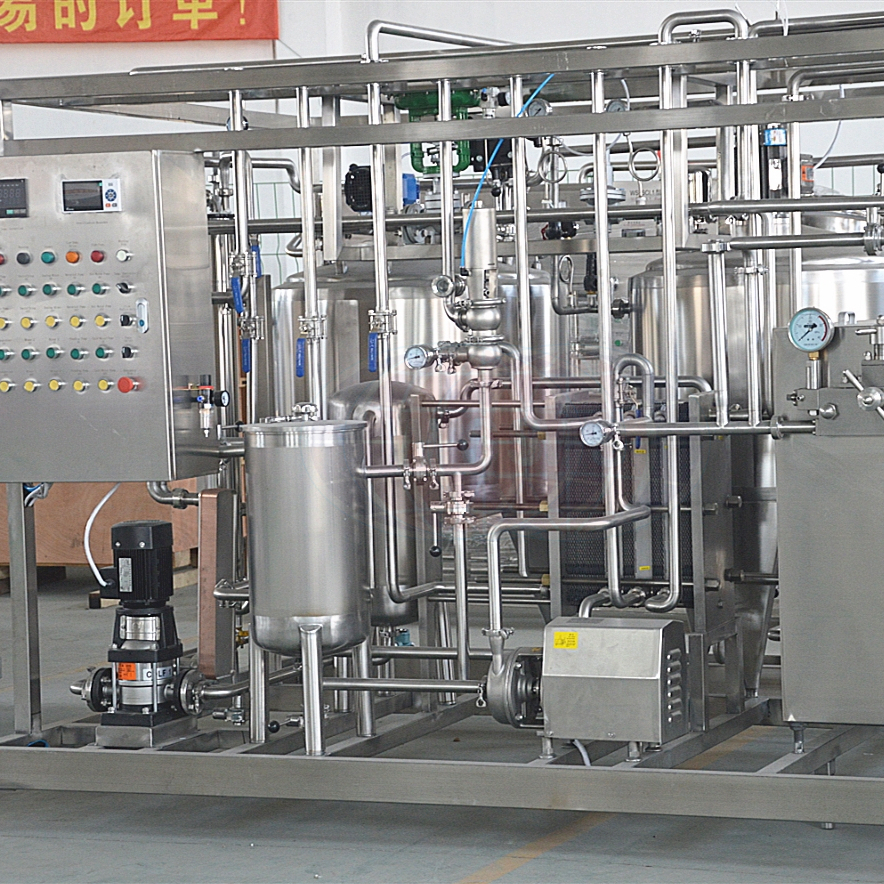
Mechanical failures are the most frequent physical reasons a primary production unit stops working. Picture a mid-summer production run. The ambient heat of the facility is high. Continuous physical friction inside the processing cylinders creates a harsh environment for all moving parts.
A complex rotating shaft known as the dasher operates inside the freezing cylinder. Scraper blades attach to this dasher. They continuously scrape the freezing dessert mix off the inner walls. This scraping action is vital for maintaining high heat transfer rates. It prevents the mix from freezing completely solid against the metal.
Constant friction dulls or warps these scraper blades over time. Blades eventually fail to maintain tight contact with the cylinder wall. An insulating layer of frozen mix then builds up. This significantly reduces cooling efficiency. The remaining mix freezes too rapidly into a solid mass. The dasher struggles to rotate through this solid block. The electrical current drawn by the drive motor spikes immediately. Thermal overload relays detect this spike and shut down the Ice Cream Machine to prevent motor burnout.
Transferring highly viscous materials requires robust pumping systems. Rotary lobe pumps or heavy-duty centrifugal pumps are standard. These pumps are highly susceptible to blockages. Foreign objects or improperly dissolved stabilizers cause severe jams. Hardened mix from previous production runs also creates massive obstructions.
Furthermore, pump integrity relies on precision O-rings and mechanical seals. Constant exposure to abrasive sugar crystals degrades these components. Extreme temperature shifts cause rubber and silicone seals to harden and crack. The pump loses its vacuum and pressure capabilities when a seal fails. This loss of pressure disrupts the precise feed rate. Operators must initiate an emergency stop to replace the degraded components.
Temperature regulation is the absolute core of frozen dessert manufacturing. Any deviation in the thermal parameters will trigger automated safety protocols. These protocols shut down the production sequence immediately.
Continuous freezing equipment relies on a dedicated refrigeration cycle. The compressor is the heart of this system. It compresses the refrigerant gas and drives the heat exchange process.
The compressor must work harder to dissipate heat if the ambient temperature is too high. Blocked condenser coils also lead to overheating. Modern production lines feature thermal sensors on the compressor housing. The programmable logic controller will automatically shut down the refrigeration cycle if temperatures exceed safe limits. As a result, the Ice Cream Freezer stops. The line must halt to prevent warm liquid mix from flooding the packaging area.
In contrast, over-cooling presents an equally severe threat to continuous operation. The refrigeration system might apply too much cooling capacity relative to the flow rate. The internal temperature of the freezing cylinder then drops too rapidly.
The viscosity of the product spikes exponentially as the temperature plummets. It becomes too thick to pump or extrude properly. This extreme thickness creates immense back-pressure within the piping. Pressure sensors detect this anomaly. They command an automated line stop to prevent pipe ruptures. Managing the delicate balance between flow rate and refrigerant expansion is critical.
Not all line stoppages originate from mechanical breakdowns during the extrusion phase. Many critical failures are process-related. They originate much earlier in the production cycle during the resting and hydration phases.
The formulation of the base mix requires precise ratios of fats, water, sugars, and stabilizers. Operator error can lead to incorrect ingredient ratios. The chemical structure of the base will be fundamentally flawed if the mix lacks adequate resting time.
An overdose of stabilizers results in a mix that is excessively viscous. This overly thick mix places severe mechanical strain on the transfer pumps when drawn from the Aging Tank. The pumps may cavitate. Vacuum bubbles implode and damage the pump impellers. The pumps simply fail to move the fluid at the required volume. This causes the downstream freezing equipment to starve and stall.
Holding vessels feature slow-moving agitators. These keep the mix homogeneous and maintain an even temperature distribution.
The mix will begin to separate if the agitator motor fails. Lighter milk fats rise to the top. Heavier sugars and solids settle at the bottom. The liquid near the cooling jackets becomes too cold without agitation. The center of the tank remains too warm. This thermal stratification means the batch is no longer uniform. It will process unevenly if sent downstream. Unpredictable freezing rates will ultimately jam the system.
Operating under extreme physical forces makes high-pressure processing equipment a high-vulnerability node. A failure here stops the line and ruins thousands of liters of product.
The core function of this equipment involves forcing liquid mix through microscopic gaps in the valves. The liquid travels at high velocity. This creates shear forces that shatter fat globules. The abrasive nature of the mix causes physical wear on the tungsten carbide valve seats over time.
The gaps widen unpredictably as the valves wear down. This leads to erratic pressure drops. Modern processing lines utilize sensitive pressure transducers to monitor this stage. The central controller will immediately stop the transfer pumps if the pressure drops below the minimum threshold. This prevents unhomogenized mix from passing through the Homogenizer and contaminating downstream tanks.
The impact on the final product is severe when this high-pressure process fails. Fat globules clump together during the freezing process if not properly reduced in size. This churning results in a grainy texture unacceptable to consumers.
Furthermore, these large fat clumps act as physical obstructions. They adhere to the inner walls of downstream piping. They also clog the fine mesh filters protecting the freezing equipment. This buildup eventually creates a complete physical blockage. It stops the flow entirely and requires a time-consuming manual teardown.
Operational and technological aspects governing the equipment are highly critical. Modern processing facilities are heavily automated. Human input errors or software faults can instantly shut down operations.
Operators control the entire operation via a central interface. They must input specific parameters for each unique recipe. This includes the required air injection percentage, cylinder pressure, and exact freezing temperatures.
An operator might input the wrong air injection percentage. Injecting too much air into a heavy base mix collapses the product structure. This causes pressure imbalances in the extrusion head. Setting the freezing temperature just one degree too low can cause the product to freeze solid inside the barrel. These input errors directly cause physical jams. The floor manager must initiate an immediate manual stop to recalibrate the system.
The central controller constantly receives data from dozens of sensors. This network includes proximity sensors on safety guards, flow meters, and thermal probes.
Imagine a Friday night shift where a vibrating proximity sensor falsely signals an open safety door. Electronic sensors are prone to degradation in the wet and high-vibration environment of a dairy plant. A corroded temperature gauge might falsely report a boiling tank. The programming dictates an immediate fatal error shutdown when the controller receives these false signals. Diagnosing these software glitches requires specialized technicians to trace the electrical fault.
Operating a facility at peak efficiency demands a rigorous proactive maintenance strategy. Waiting for a component to fail invites catastrophic downtime and expensive emergency repair bills. Preventative maintenance is the most cost-effective methodology.
Hygiene is inextricably linked to mechanical reliability in the dairy industry. Strict Clean-in-Place protocols are the first line of defense. The system processes raw dairy and sugars. These ingredients are highly susceptible to bacterial growth and physical coagulation. Leftover dairy residue quickly hardens into a formidable substance known as milk stone.
This hardened residue acts as a physical barrier. It causes massive blockages throughout the system. Residual mix can clog the outflow valves if holding vessels are not thoroughly cleaned. Transfer pumps experience cavitation and overload when attempting to move this restricted flow. A highly effective automated cleaning protocol should involve warm pre-rinses, high-temperature caustic washes, mild acid washes, and a final food-safe sanitization.
Routine mechanical inspections are vital for the physical hardware. The machinery endures immense physical stress and extreme temperature fluctuations. Visual and manual inspections by trained technicians are mandatory.
Modern preventative maintenance involves regular software and sensor audits. A temperature gauge drifting out of calibration by even two degrees causes the mix to become too viscous. Calibrating electronic sensors monthly ensures mechanical components receive accurate commands. Facility managers should implement a structured inspection schedule. This includes checking dasher blades for sharpness daily and inspecting O-rings for micro-leaks weekly.
Industrial machinery has a finite lifecycle even with meticulous maintenance. Cumulative wear and tear on an aging system eventually results in diminishing returns. Replacement parts become scarce. The frequency of micro-stoppages increases rapidly. Repairing old equipment is no longer economically viable at this critical juncture.
Objective data and financial analysis must drive the decision to upgrade. Facilities must accurately calculate the true cost of their current downtime. This calculation extends far beyond the invoice for emergency replacement parts.
A comprehensive downtime cost analysis includes lost product, idle labor costs, and premium emergency repair fees. A facility experiencing four hours of unexpected downtime per week loses massive revenue. Wasted ingredients and emergency repair labor compound this loss over the year. The system pays for itself rapidly if new equipment eliminates this waste.
Selecting the right equipment is paramount when upgrading. You need machinery built to withstand continuous industrial stress. Based on top-tier engineering standards, here is a comparison of what to look for when replacing your outdated line.
| Component / Feature | Outdated / Standard Equipment | High-Performance Specifications |
|---|---|---|
| Material Construction | Standard 304 stainless steel, prone to pitting over time. | Food-grade SUS304 or SUS316L stainless steel for maximum corrosion resistance. |
| Homogenization Pressure | Single-stage, fluctuating around 15 to 20 Mpa. | Two-stage homogenization maintaining a stable 25 Mpa for ultra-fine fat dispersion. |
| Refrigeration Core | Generic compressors with high failure rates in hot environments. | Premium Bitzer, Danfoss, or Copeland compressors ensuring stable thermal exchange. |
| Production Capacity | Inconsistent output, struggling to maintain 150 Liters per hour. | Scalable continuous output from 300 Liters per hour up to 1000 Liters per hour. |
| Control System | Manual valves and basic relay logic. | Siemens touch screen interfaces with automated fault diagnostics and integrated sanitation controls. |
Prioritize automated sanitation integration to remove human error. Look for high-durability components like tungsten carbide valves. Upgrading to a modern setup allows manufacturers to utilize highly responsive electronic expansion valves and variable frequency drives. These automatically adjust cooling capacity and scraping speed in real-time based on mix viscosity.
An automated dessert processing facility is highly efficient. Yet it remains fundamentally vulnerable to mechanical wear, temperature fluctuations, and maintenance lapses. A single dulled blade or a micro-pressure drop can trigger a cascade of automated halts. This costs thousands in wasted ingredients and lost time.
Proactive maintenance prevents these costly unexpected stoppages. Plant managers safeguard their throughput by transitioning from reactive repairs to predictive servicing. Thorough operator training is also highly essential to prevent input errors.
Audit your current equipment and maintenance schedules today. Evaluate your downtime costs. If aging machinery is eroding your profit margins, it is time to upgrade. Visit WFOOD Machinery to explore high-performance production lines tailored to your capacity needs. Investing in premium, modern equipment ensures long-term operational success and protects your bottom line.
The most frequent culprits behind unexpected downtime are mechanical wear and tear. Specifically, dull scraper blades and degraded pump seals cause massive issues. The dasher blades must constantly scrape frozen mix away from the cylinder walls inside the continuous freezer. The mix freezes solid against the metal if these blades become dull. This causes an immediate spike in viscosity. The drive motor overloads, triggering an automatic safety shutdown to prevent catastrophic mechanical breakage. Implementing a weekly inspection of these specific components drastically reduces sudden mechanical failures.
A freezer typically freezes up and halts production due to an imbalance between the mix flow rate and the refrigeration capacity. The refrigeration compressor continues to apply the same amount of cooling to a smaller volume of mix if the transfer pump slows down. This rapidly over-cools the cylinder. Another common cause is a drop in the mix temperature before it even enters the freezer. Upgrading to a system with variable frequency drives helps mitigate this by automatically adjusting dasher speed.
Both the holding vessels and the high-pressure processing units require a comprehensive sanitation cycle after every single production run. You must clean them at least once every 24 hours during continuous operation. Dairy products are highly perishable and prone to rapid bacterial colonization. Leftover fats and proteins coagulate and harden into milk stone if the equipment is not sanitized daily. This hardened residue creates severe biological hazards and causes mechanical clogs in microscopic valves.
A high-quality commercial processing machine can operate reliably for 15 to 20 years when supported by a rigorous preventative maintenance program. The longevity of the equipment depends heavily on how well the facility manages daily wear and tear. Regularly replacing consumable parts like scraper blades, mechanical seals, and drive belts prevents undue stress on core components. The decision to replace an aging machine often comes down to the availability of spare parts and the cost of frequent micro-stoppages.
Yes, a failing high-pressure processing unit will absolutely halt the entire production process. It acts as the high-pressure heart of the mix preparation phase. It forces the liquid through tiny valves to break down fat molecules. The mix will not achieve the correct emulsion if it loses pressure due to worn valves or a blown seal. Modern automated lines feature pressure sensors that detect these drops immediately. The central control system triggers an automated halt until the pressure fault is resolved to prevent substandard mix from flowing downstream.
Start by checking the refrigeration cycle and ambient environment. Ensure the condenser coils are completely free of dust and debris, as blocked coils prevent proper heat dissipation. Next, verify the refrigerant levels; a micro-leak will severely diminish cooling capacity. If the mechanical side is sound, inspect the mix formulation. A mix with excessively high sugar or alcohol content depresses the freezing point beyond the machine's operational parameters. Finally, check the electronic expansion valves to ensure they are opening correctly to allow refrigerant flow.
The ideal overrun percentage depends entirely on the product category you are manufacturing. Premium, dense gelato typically targets a low overrun between 20 and 30 percent. Standard commercial ice cream usually sits between 50 and 80 percent overrun, balancing a creamy texture with profitability. Economy brands might push overrun up to 100 percent or more, meaning the final product is half air by volume. Maintaining the exact target overrun requires precise calibration of the air injection pumps and stable mix viscosity.