
Call Us
+86-15800763021
Send Us
Add
775 Chihua Road, Zhelin Town, Fengxian District, Shanghai
- All
- Product Name
- Product Keyword
- Product Model
- Product Summary
- Product Description
- Multi Field Search
Views: 0 Author: Site Editor Publish Time: 2026-10-02 Origin: Site

Investing in a commercial dairy operation is undeniably a highly lucrative venture. However, transitioning from a raw conceptual sketch to a fully operational, hygienic facility requires far more than mere capital investment. It demands meticulous execution and deep technical foresight. For ambitious investors and business owners, selecting a comprehensive turnkey yogurt processing plant solution often proves to be the most strategic route. A true turnkey partnership means a single, seasoned engineering contractor manages the entire project lifecycle. They handle everything from the initial sanitary blueprints to the final calibration of the packaging equipment. Ultimately, you simply turn the key and initiate commercial production.
Navigating such an expansive industrial endeavor demands a crystal-clear understanding of the project timeline. Recognizing the exact milestones that mark your facility's progress ensures capital stays on track, budgets remain unbroken, and the resulting dairy products meet uncompromising global standards. Let’s walk through the critical phases of bringing a modern, high-efficiency dairy facility to life from an engineering perspective.
Comprehensive Planning is Step One: Every successful project begins with rigorous feasibility studies, precise capacity planning, and a firm decision on the product type, whether that is Greek, stirred, or set yogurt.
Custom Engineering Dictates Quality: Detailed 3D layouts and fluid process flow designs serve as critical milestones that prevent costly mechanical bottlenecks later in the construction phase.
Equipment Sourcing Defines the Line: The meticulous manufacturing and integration of core processing units form the physical heart of the operation.
Commissioning is the Ultimate Test: Rigorous dynamic testing with industrial water and raw milk ensures all automation, thermal controls, and sanitation systems function flawlessly.
A True Turnkey Includes Training: The final milestone goes beyond handing over the facility keys. It involves empowering your local workforce with comprehensive Standard Operating Procedures and hands-on technical training.
Before the first spark of orbital welding hits a sheet of stainless steel, the foundational parameters of your facility must be strictly established. This initial milestone ensures that ambitious business objectives seamlessly align with hard engineering realities.
Will your brand focus on standard stirred yogurt, traditional set yogurt, or a thick, premium Greek style? Each variation dictates a fundamentally different process flow. Specifically, set yogurt ferments quietly directly inside the retail cup within specialized warm incubation rooms. In contrast, stirred varieties require massive, gently agitated vats to ferment before being pumped to downstream fillers using low-shear lobe pumps.
Pinpointing the precise production scale is a monumental milestone for any yogurt project. Whether you are constructing a boutique milk processing plant for an artisanal regional brand or a sprawling industrial complex churning out 50,000 liters daily, this decision dictates everything. It governs the volumetric sizing of holding tanks, the throughput velocity of packaging lines, and your overall capital expenditure.
A reliable engineering contractor will conduct a thorough assessment of your physical building site. They evaluate critical utility access, including industrial water supply, steam boiler capacity, and electrical grid stability. Following this assessment, engineers generate a preliminary project report detailing expected costs and providing a localized Return on Investment projection based on regional milk prices.
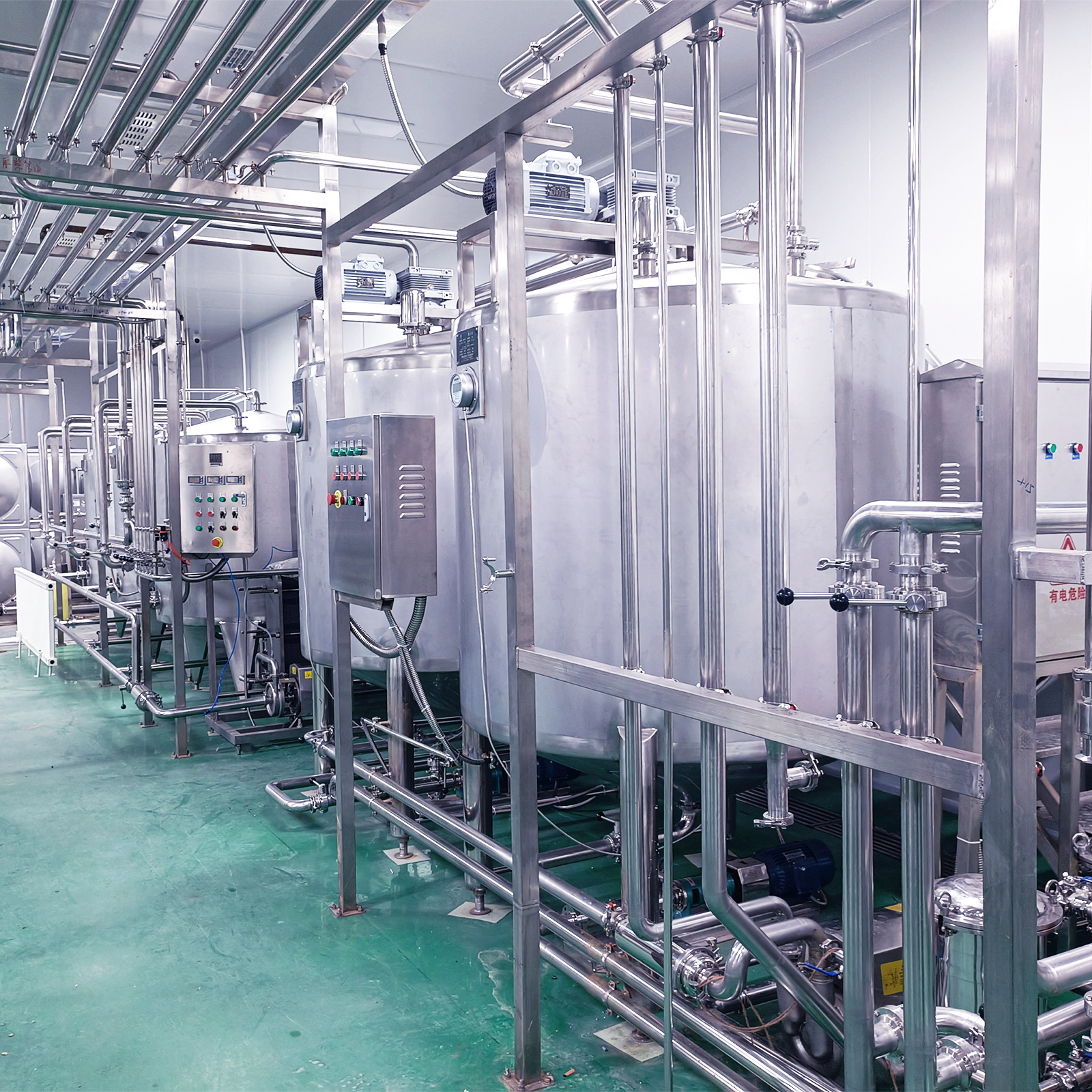
Transitioning from commercial feasibility to actionable technical blueprints, the engineering phase breathes life into abstract ideas. Precision here dictates future mechanical success.
Senior process engineers meticulously map out the complete journey of the milk. This complex circulatory system includes raw milk reception, standardization, and high-pressure homogenization. The flow then moves through thermal pasteurization, delicate inoculation, fermentation, and final chilling. Every single pump, valve matrix, and holding tube is accounted for to ensure seamless fluid dynamics without any dead legs where bacteria could hide.
To truly understand the engineering divergence, we must look at the mechanical requirements for different product types. The table below highlights the critical equipment differences that must be finalized during the design phase.
| Processing Requirement | Stirred Yogurt Line | Set Yogurt Line |
|---|---|---|
| Fermentation Location | Large SUS316L fermentation vats | Directly inside the retail packaging |
| Agitation System | Low-shear mechanical agitators required | No agitation needed post-filling |
| Temperature Control | Jacketed cooling tanks to halt fermentation | Walk-in warm incubation and rapid chill rooms |
| Filling Equipment | Fills thick, pre-fermented product | Fills liquid inoculated milk mixture |
Modern dairy production relies heavily on smart automation to maintain consistent fermentation environments. Designing the Supervisory Control and Data Acquisition architecture is a critical step. This infrastructure allows operators to monitor thermal holding times, track pH drops in real-time, and manage automated valve matrices from a centralized control room.
As we examine the broader landscape of dairy manufacturing, several emerging trends are fundamentally altering how these processing facilities are designed and executed. The rising consumer demand for functional foods, such as probiotic-rich or high-protein yogurts, requires highly adaptable processing environments. Modern engineering now heavily favors flexible manufacturing systems. Consequently, a single facility might be expected to seamlessly switch between traditional dairy and plant-based oat or almond yogurts. This operational flexibility necessitates advanced cross-contamination prevention and highly sophisticated Clean-in-Place protocols.
Additionally, industrial sustainability has moved from a corporate buzzword to a core engineering metric. New facilities increasingly incorporate regenerative plate heat exchangers that recover up to 90 percent of thermal energy. Engineers are also designing water-recovery loops during cleaning cycles to minimize environmental impact and drastically lower long-term operational costs. Understanding these market shifts is crucial when planning your facility's layout and automation architecture.
With the digital blueprints fully approved, the physical fabrication of your machinery commences off-site at the manufacturer's facility. This stage demands rigorous quality control and absolute material traceability.
Picture the blinding flash of argon-shielded orbital welding and the meticulous polishing of food-grade stainless steel. This sub-phase involves the custom fabrication of sanitary equipment based on strict parameters. For instance, standardizing equipment for a robust yogurt line typically requires processing capacities ranging from 500L/H up to 10,000L/H. Core components include insulated milk reception silos, multi-stage tubular heat exchangers for energy-efficient pasteurization, and specialized fermentation vats. These vats are constructed from SUS304 or SUS316L stainless steel and equipped with low-shear agitators designed to protect the delicate yogurt coagulum.
When selecting your core processing units, generic specifications will not suffice. A professional setup requires high-pressure homogenizers capable of sustaining 20 to 25 MPa to ensure perfect fat globule breakdown. Furthermore, pasteurization units must be engineered with holding tubes designed specifically for 90 to 95 degrees Celsius for exactly 300 seconds, which is the golden standard for denaturing whey proteins and achieving optimal yogurt viscosity. Automation panels should ideally feature robust Siemens or Mitsubishi PLCs for uninterrupted continuous operation.
Before any equipment is crated for international shipping, a comprehensive Factory Acceptance Test is conducted. This milestone allows stakeholders to verify surface roughness standards, test mechanical agitators under load, and ensure the machinery meets all contractual specifications before it ever arrives at the final destination.
The arrival of flatbed trucks loaded with gleaming equipment marks a thrilling transition. Your empty building is about to transform into a highly structured industrial environment.
Massive cranes systematically lower fermentation silos and heavy pasteurizers into position according to the approved 3D layout. Proper leveling and structural anchoring of high-vibration equipment, such as centrifugal separators and homogenizers, are absolutely critical to ensure long-term mechanical stability.
The circulatory system of the plant is installed during this milestone. Certified technicians utilize specialized orbital welding to connect miles of stainless steel piping. This is exactly where a professional dairy turnkey provider shines. They ensure smooth, crevice-free internal seams that eliminate microscopic dead zones where pathogenic bacteria could otherwise proliferate.
The newly placed equipment is robustly connected to the facility's power grid, industrial steam boilers, chilled water circuits, and compressed air lines. Central control panels are hardwired to every field instrument, establishing the complex nervous system required for automated operations.
Bridging the gap between a static collection of metal components and a dynamic, breathing production ecosystem, plant commissioning is widely regarded as the most critical engineering milestone.
Automation engineers systematically test every individual component without introducing any fluids. They verify correct motor rotation directions, confirm that pneumatic valves actuate crisply, calibrate temperature sensors, and rigorously trigger emergency stop protocols to ensure baseline safety.
The entire system is subsequently operated using industrial water. The rush of fluid echoing through the pipes flushes the newly installed network, tests centrifugal pumps under operational pressure, and verifies the thermal exchange efficiency of the pasteurization unit. It also serves as a crucial pressure test to identify and rectify any micro-leaks in the pipework.
Before any dairy product can enter the pristine system, the automated cleaning infrastructure must be validated. Engineers ensure it delivers the precise concentration of alkaline and acidic cleaning agents at the specified temperatures. The distinct, sharp scent of peracetic acid during the final rinse cycles confirms the plant is biologically safe for food production.
Upon successful validation of the water trials and cleaning systems, the facility is finally ready for the introduction of raw materials. This phase tests the equipment's ability to handle the specific rheological properties of thick dairy.
Raw milk is introduced into the reception silos and processed through the standardization circuits. Engineers monitor the system's ability to handle the increased viscosity. They listen to the steady hum of the homogenizer and verify that the pasteurizer maintains the exact holding time required to eliminate harmful pathogens while properly denaturing proteins.
As live bacterial cultures are introduced, precise environmental control becomes paramount. Technicians monitor the fermentation tanks to ensure temperatures remain strictly within the optimal range, typically between 42 and 45 degrees Celsius. The system must hold this heat consistently, allowing the bacteria to properly acidify and form that signature thick, creamy texture.
The resulting product is subjected to rigorous laboratory analysis. Technicians measure titratable acidity, target pH levels, viscosity, and sensory attributes. If slight deviations are detected, engineers adjust mechanical parameters. They might alter homogenizer pressure settings or modify the cooling rate to perfect the final commercial recipe.
The technical sophistication of a modern processing facility requires a highly competent workforce. Transferring operational knowledge is a mandatory milestone for long-term sustainability.
Local personnel undergo structured, hands-on training. Operators practice tapping on the glass touchscreens, learning how to initiate production sequences, monitor batch progress, adjust setpoints within safe parameters, and systematically respond to automated software alarms.
The facility's internal maintenance team receives specialized instruction on the mechanical upkeep of the equipment. This includes safe protocols for replacing sanitary pump seals, lubricating moving components, and maintaining the thermal efficiency of heat exchanger plates by managing scale buildup.
The turnkey contractor provides a comprehensive documentation package. This critical handover includes detailed technical manuals, complex electrical schematics, recommended spare parts lists, and daily operational checklists. This ensures the local team is fully equipped to maintain strict quality control.
The culmination of the extensive engineering, installation, and testing phases is the formal transition into continuous commercial manufacturing.
The facility undergoes a rigorous performance evaluation, running at full commercial capacity for a continuous, predetermined period. Stakeholders closely monitor the Overall Equipment Effectiveness, verifying that the plant meets all contractual guarantees regarding output volume, energy consumption, and product yield.
Upon successful completion of the site test, completion certificates are formally signed. The facility officially transitions from a project site into an independent, revenue-generating asset. However, a professional turnkey engagement does not simply end at handover. The supplier typically provides an ongoing service level agreement, offering remote software diagnostics, priority access to proprietary spare parts, and periodic technical audits to ensure the facility continues to operate at peak efficiency as your brand scales.
Building a commercial dairy facility from the ground up is a complex engineering feat. However, partnering with an experienced provider to deliver a comprehensive turnkey solution significantly reduces operational risk. By understanding these critical milestones, from initial capacity planning and precision equipment manufacturing to rigorous dynamic commissioning and intensive staff training, you can confidently navigate heavy capital investments. When you are ready to transition from a conceptual blueprint to a highly profitable reality, ensuring you have the right mechanical partner is paramount. We encourage ambitious dairy producers to explore the robust, customizable equipment options at Wenzhou Food Machinery to find the exact processing lines that align with your commercial vision.
The overall timeline varies significantly based on the plant's production capacity, building constraints, and automation complexity. Generally, a complete industrial project takes anywhere from 6 to 12 months from the initial design phase to final plant commissioning and the official commercial handover.
Yes, a well-designed processing line can be engineered to be highly flexible. While the front-end processing stages, such as thermal pasteurization and homogenization, remain identical, the fluid line will split at the fermentation stage. Stirred yogurt ferments in large vats before packaging, while set yogurt is inoculated and immediately sent to the packaging machine to ferment inside the retail cup within a warm incubation room.
While all phases carry immense importance, plant commissioning is widely considered the most critical milestone. This is the exact moment where theoretical engineering design meets practical, physical application. It ensures that all mechanical equipment, automation software, and sanitation systems work together seamlessly before commercial milk processing begins.
Reputable turnkey providers often employ in-house dairy technologists and food scientists. During the trial production milestone, these experts will work closely with your local team to fine-tune the equipment settings, such as adjusting fermentation holding times and homogenization pressure, to match your specific recipe and achieve your desired product texture perfectly.
Small-scale plants are typically designed for local or artisanal distribution, prioritizing product flexibility and lower initial capital costs. They often utilize semi-automated processes and batch pasteurizers. In contrast, industrial plants are engineered for massive, continuous output. They feature high-speed packaging lines, fully automated Clean-in-Place systems, and advanced controls designed to maximize efficiency, minimize human intervention, and ensure absolute product uniformity across millions of units.
Unlike standard drinking milk, milk destined for yogurt production requires a higher thermal treatment. Engineers typically design the tubular or plate heat exchangers to reach 90 to 95 degrees Celsius and hold that temperature for 300 seconds. This specific thermal profile is necessary to denature whey proteins, which interact with casein to create a firmer, thicker yogurt gel.
Modern engineering relies on strict spatial zoning and advanced fluid dynamics to prevent contamination. Facilities are divided into color-coded sanitary zones separating raw milk handling from pasteurized product processing. Mechanically, engineers utilize mix-proof valve matrices and automated Clean-in-Place systems that flush pipes with high-velocity acid and alkali solutions, ensuring no residual bacteria can compromise the final product.