
Call Us
+86-15800763021
Send Us
Add
775 Chihua Road, Zhelin Town, Fengxian District, Shanghai
- All
- Product Name
- Product Keyword
- Product Model
- Product Summary
- Product Description
- Multi Field Search
Views: 0 Author: Site Editor Publish Time: 2026-10-28 Origin: Site

Anyone who has ever tried to scrub a burnt pot of caramelized sugar knows the struggle. Now imagine dealing with that sticky, hardened mess on a massive commercial scale. Fruit jam is notoriously difficult to clean off manufacturing machinery. The high-sugar matrix combines with natural fruit pectins. Once it cools, it acts almost like an industrial adhesive.
Maintaining impeccable hygiene within these processing facilities is absolutely non-negotiable. Poor sanitation practices inevitably lead to severe consequences. You risk rapid mold proliferation, dangerous bacterial growth, and flavor cross-contamination between batches. Ultimately, this leads to catastrophic product recalls. Traditional manual scrubbing is exhausting. It also triggers excessive operational downtime.
Fortunately, modern engineering provides a solution. Today's advanced manufacturing systems utilize automated, high-velocity cleaning technologies. These are designed to maximize both operational efficiency and rigorous food safety. Plant managers and line operators will discover the exact methodologies, specialized technologies, and industry best practices required to properly sanitize highly viscous fruit preserve production lines.
Automated Efficiency: Automated CIP—Clean-in-Place—technology serves as the gold standard for modern facilities. It enables deep, systematic sanitation without the need to dismantle complex pipework.
Component-Specific Methods: Distinct processing units require highly specialized cleaning protocols. Heating jackets and filling nozzles, for example, need targeted chemical action to dissolve stubborn pectins.
Sanitary Design Matters: Investing in machinery engineered specifically for hygiene drastically reduces the manual labor required for deep cleaning. This directly minimizes costly operational downtime.
Regulatory Compliance: Strict adherence to FDA, GMP, and global food safety frameworks during the sanitation process is critical. It ensures maximum product shelf-life and protects consumer health.
Achieving commercial sterility within a Jam Line requires a deep understanding of the unique physical and chemical characteristics of the product. The challenges go far beyond simply washing away leftover fruit.
The interior of a preserve manufacturing facility is inherently warm and sugar-rich. This creates a perfect storm for microbial proliferation. The high sugar content of the finished product reduces water activity and inhibits bacterial growth. However, the manufacturing environment itself remains highly vulnerable. Residual diluted syrup left lingering in pipes provides a perfect breeding ground for osmophilic yeasts and molds. If these organic residues are not systematically eradicated, microorganisms multiply rapidly. This causes batch spoilage, off-flavors, and gas formation that makes packaging swell on retail shelves.
Beyond microbial threats, flavor carryover poses a significant operational headache. Industrial facilities rarely produce just a single flavor profile year-round. A production schedule might dictate a transition from a dark, robust blackberry jam to a delicate peach preserve within the exact same shift. Thorough cleaning is absolutely critical to prevent flavor and color carryover. This ensures the sensory profile of the subsequent batch remains pristine. Allergen management is even more critical. If a facility processes spreads containing nuts or dairy, inadequate sanitation can trigger severe cross-contamination. This endangers consumers and leads to devastating legal liabilities.
Fruit preserves are highly acidic. They are packed with natural citric, malic, and ascorbic acids. When these corrosive juices and sticky sugars remain in prolonged contact with machinery, they slowly degrade elastomer seals, pump gaskets, and lower-grade stainless steel components. Routine, aggressive sanitation neutralizes these elements. This preserves the structural integrity of the plant.
Every hour a facility spends offline for manual teardowns is an hour of lost revenue. By implementing optimized cleaning protocols, plant managers drastically reduce changeover durations. This directly correlates to higher profitability through maximized active production uptime.
The food processing sector is currently undergoing a massive shift toward data-driven, sustainable sanitation. Recent market analyses highlight a growing departure from rigid, time-based cleaning schedules. Instead, manufacturers are rapidly adopting sensor-integrated smart cleaning systems. These advanced setups utilize inline optical sensors to monitor water turbidity and chemical concentration in real-time. The system instantly halts the rinse cycle the millisecond the effluent water runs clear.
Consequently, facilities are slashing their water consumption and harsh chemical discharge by up to thirty percent. This aligns perfectly with global sustainability mandates while simultaneously protecting profit margins. Furthermore, the integration of industrial IoT diagnostics allows plant engineers to track flow rates and temperature drops across the entire piping network. This ensures absolutely no blind spots are left unsanitized.
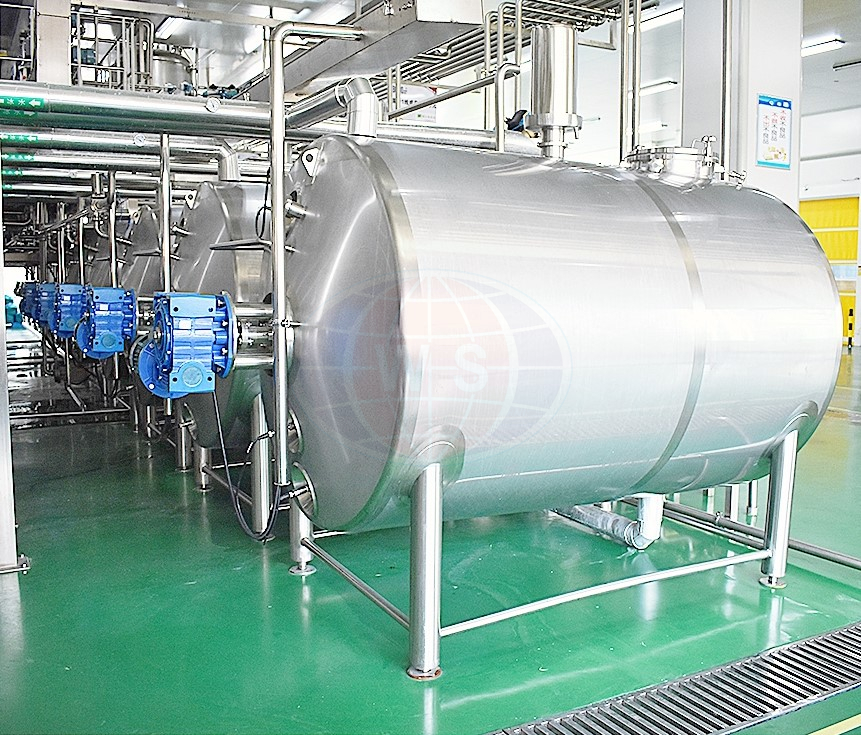
To conquer the challenges of high-viscosity food products, the food and beverage industry relies heavily on sophisticated, automated cleaning technologies. Manual labor simply cannot compete with fluid dynamics.
Clean-In-Place, widely known as CIP Cleaning, refers to the automated circulation of heated water, specialized detergents, and chemical sanitizers. These fluids blast through piping systems, holding tanks, heat exchangers, and rotary pumps. The defining advantage of this technology is achieving a pharmaceutical-grade level of sanitation without requiring maintenance crews to dismantle heavy machinery.
These systems rely on a precise triad of cleaning mechanics. They use thermal energy from high heat, chemical energy from aggressive detergents, and mechanical energy from the physical shear force of turbulent fluid flow. To effectively scour baked-on fruit from internal walls, automated systems typically maintain a fluid velocity of at least 1.5 to 2.0 meters per second. This creates a violent, turbulent flow that rips residue away from the stainless steel.
A standardized automated cycle in a preserve facility involves a multi-step sequence. It is scientifically designed to systematically hydrolyze polymerized sugars and cellular fruit matter.
Pre-Rinse at 40°C to 50°C: Purified warm water flushes through the system. This pushes out loose fruit pulp, stray seeds, and bulk uncaramelized sugars.
Caustic Wash at 75°C to 85°C: A potent alkaline detergent, typically a 1 to 2 percent Sodium Hydroxide solution, is circulated. This step saponifies fats and chemically dissolves the sticky pectin buildup.
Intermediate Rinse at Ambient Temperature: Fresh water flushes out the alkaline detergent and suspended organic soils. This prevents dangerous chemical cross-reactions.
Acid Wash at 60°C to 70°C: Run periodically, a mild acid like nitric or phosphoric acid dissolves mineral scaling deposited by hard water. It also neutralizes any lingering caustic traces.
Final Sanitize: Peracetic Acid or live steam is pushed through the lines. This destroys any remaining microscopic pathogens, achieving commercial sterility.
A complete production line consists of wildly varied equipment handling the product at different thermal and physical stages. Therefore, a generic cleaning approach simply will not work.
The Vacuum Concentrator is the beating heart of the process. Commercial units, often ranging from 500L to 2000L in capacity, boil off excess water from the raw fruit mixture under negative pressure. This allows evaporation at lower temperatures to preserve the vibrant color and delicate volatile flavors of the fruit. However, the internal heating coils and steam jackets inside this vessel are highly susceptible to severe thermal fouling. Pectin acts exactly like a resin when heated alongside high concentrations of sugar. It bakes tightly onto the hot metal surfaces.
Sanitizing this specific unit requires heavy-duty intervention. Operators utilize specialized, high-pressure rotary spray balls installed inside the dome. These provide overlapping 360-degree coverage. The automated program typically dictates extended caustic soak times. This gives the alkaline chemistry enough time to penetrate and soften the caramelized layer before the high-velocity rinse physically shears it away.
The packaging stage is arguably the most vulnerable point in the entire operation. The sterilized product is briefly exposed to the environment before being capped. A modern Jam Filling Machine contains highly intricate moving parts. These include dosing pistons, pneumatic rotary valves, and precision dispensing nozzles capable of handling 1000 to 3000 bottles per hour.
While the main holding hopper and primary fluid pathways easily tie into the central automated loop, the intricate nature of the dispensing nozzles demands supplementary attention. Tiny, stubborn fruit seeds from raspberries or strawberries can wedge themselves into pneumatic valve seals. To prevent this, operators frequently employ Clean-Out-of-Place techniques. This involves temporarily detaching the precision nozzles and placing them into a dedicated, agitated ultrasonic sanitation bath for targeted cleaning.
Tubular or plate heat exchangers used for final product sterilization face immense thermal stress. As the thick, viscous preserve is rapidly heated, a boundary layer of product inevitably bakes onto the stainless steel plates. Cleaning these units requires strict adherence to flow rate protocols. If the cleaning fluid does not achieve a highly turbulent state, a microscopic insulating layer of residue will remain. This leftover film drastically compromises the heat transfer efficiency of the equipment during the very next production run. Ultimately, this can lead to under-processed, unsafe food.
In the highly regulated food manufacturing sector, the debate between manual scrubbing and automated technology heavily influences daily operational efficiency. It also dictates long-term profitability.
Manual cleaning requires crews to physically dismantle pipework, pull out heavy pump impellers, and scrub the interiors of massive mixing vats with brushes. While this approach is still necessary for older legacy equipment or the exterior chassis of machinery, relying on it for internal pathways is a losing battle. The physical effort required to chisel away crystallized sucrose is immense. It is a grueling, labor-intensive chore that introduces a massive risk of human error. An exhausted operator might easily miss a shadow area behind a butterfly valve. Consequently, manual teardowns cause severe production bottlenecks.
Conversely, the integration of automated technology represents a complete paradigm shift. The standout advantage of automation is flawless repeatability. Programmable Logic Controllers guarantee that every single wash cycle utilizes the exact required chemical concentration. They hold the precise temperature and run for the exact specified duration. Furthermore, modern setups provide continuous data logging. This creates an auditable paper trail that is absolutely invaluable during surprise regulatory compliance inspections.
To clearly illustrate the operational differences, consider the following comparison:
| Metric | Manual Cleaning (COP) | Automated Cleaning (CIP) |
|---|---|---|
| Downtime | High. Often requires 4 to 6 hours for complete teardown and reassembly. | Low. Cycles typically complete in 60 to 90 minutes without disassembly. |
| Consistency | Variable. Highly dependent on operator fatigue and skill level. | Perfect. PLC-controlled parameters ensure identical washes every time. |
| Water & Chemical Usage | Excessive. Prone to over-dilution and continuous hose running. | Optimized. Sensor-driven recovery systems recycle rinse water and chemicals. |
| Safety Risks | High. Workers are directly exposed to scalding water and harsh caustic fumes. | Minimal. Closed-loop systems keep dangerous chemicals contained within pipes. |
The ultimate effectiveness of any sanitation protocol is fundamentally dictated by the physical engineering of the machinery itself. Intentional sanitary design means building Industrial Fruit Jam Processing Equipment from the ground up to inherently resist contamination.
When evaluating new machinery, engineers meticulously scrutinize specific hygienic design criteria. First and foremost is material quality. Product-contact surfaces must be constructed from premium 316L stainless steel. The added molybdenum in this specific alloy provides superior resistance against the corrosive bite of acidic fruit juices. Additionally, these surfaces must be polished to a specific Roughness Average, typically Ra less than 0.8 micrometers. If the metal is too rough, bacteria will anchor into microscopic abrasions. This renders even the harshest chemicals useless.
Another critical feature is self-draining pipework. Piping networks must be engineered with a deliberate, slight gradient and absolutely no dead legs. Dead legs are blind T-sections where fluid flow stops and stagnates. After the final sanitizing rinse, gravity must be able to pull every last drop of moisture out of the system. Finally, tool-less disassembly utilizing quick-release sanitary Tri-Clamps allows quality inspectors to pop open valves and visually verify cleanliness in seconds. This eliminates the need to wrestle with wrenches and bolted flanges.
While sanitary-grade equipment demands a higher initial capital investment, the return on investment is staggering. By reclaiming hundreds of hours previously lost to manual deep cleaning, facilities can pivot that labor and time directly into active, profitable production.
State-of-the-art machinery must be supported by rigid administrative controls and scientific verification to guarantee absolute consumer safety.
The absolute foundation of plant hygiene is the strict enforcement of documented Standard Operating Procedures. These detailed, step-by-step guides ensure that whether the morning crew or the night shift is running the wash cycle, the process is executed identically. These procedures dictate valve sequencing, temperature thresholds, and the mandatory safety gear required when handling dangerous caustic agents.
Chemical selection requires a delicate balancing act. The chosen detergents must be aggressive enough to dissolve polymerized pectin. However, they must be gentle enough not to degrade the food-grade EPDM or Viton elastomer gaskets that seal the pipework. Using the wrong acid can strip the protective passivation layer right off the stainless steel, leading to rapid rusting.
Visual inspection alone is never enough in a modern facility. Quality Assurance teams rely on scientific verification. They utilize Adenosine Triphosphate swabbing to detect invisible cellular energy left behind by organic matter. A passing score, measured in Relative Light Units, is mandatory before the line is green-lit for the next batch. All of these procedures must strictly align with the Food Safety Modernization Act, Good Manufacturing Practices, and HACCP principles.
Upgrading a legacy facility or establishing a brand-new production plant requires a meticulous evaluation of equipment capabilities. You must look closely at how easily the system can be cleaned. Plant managers should utilize a strict buyer's checklist.
Specifically, verify the exact grade of the stainless steel. Ensure the presence of smooth, crevice-free continuous TIG welds. Confirm that the system utilizes CIP-compatible rotary lobe pumps. These specific pumps are crucial. They handle thick, fruit-laden fluids gently during production, but still allow high-velocity liquid to blast through them during the wash cycle.
System integration is the key to maximizing facility efficiency. Standalone machines that require separate, isolated wash processes create massive production bottlenecks. It is vital that mixing tanks, pasteurizers, and packaging units seamlessly connect into one centralized, automated loop.
Finally, the complexity of automated sanitation necessitates a strong partnership with a reputable manufacturer. Top-tier vendors provide comprehensive turnkey solutions that go far beyond delivering raw metal. They offer precise on-site installation, meticulous flow-rate calibration of the spray balls, and hands-on training for the plant operators. This ensures the equipment runs safely and profitably for decades.
Successfully cleaning sticky, viscous fruit preserves off commercial machinery is a complex engineering challenge. It requires a combination of high-quality sanitary hardware, automated technology, and uncompromising hygiene protocols. Relying on outdated manual scrubbing methods is a surefire way to bleed profitability through extended downtime. It also risks catastrophic product contamination.
Embracing advanced, automated sanitation is not merely about meeting basic regulatory requirements. It is a highly effective business strategy designed to maximize product yield, guarantee uncompromising flavor purity, and keep the production line moving. By investing in the right technology, food manufacturers can protect their brand reputation while scaling their output.
If you are looking to eliminate production bottlenecks and upgrade your facility, explore the state-of-the-art, sanitary-designed equipment and turnkey solutions available at WFoodMachinery. Visit WFoodMachinery to discover the perfect machinery tailored to your specific production needs and optimize your daily processing and cleaning efficiency today.
Equipment processing sticky, high-sugar fruit products must undergo a comprehensive, automated wash cycle at the end of every single production day to prevent microbial growth. Furthermore, a thorough rinse and sanitization cycle is strictly required when switching production between different flavor profiles to prevent cross-contamination and manage potential allergens effectively.
CIP refers to automated systems that vigorously circulate heated water, detergents, and sanitizers through the internal pathways of the machinery. This effectively cleans the equipment without requiring any manual disassembly. COP is a manual procedure where specific, intricate parts—such as certain dispensing nozzles or complex pump impellers—are physically removed from the machine. They are then washed separately in a dedicated, agitated sanitation tank.
Pectin is a naturally occurring polysaccharide found in fruit cell walls that acts as a structural binder. When heated to high temperatures and combined with heavy concentrations of sugar, pectin transforms into a highly viscous, glue-like matrix. Once this matrix cools and bakes onto stainless steel surfaces, it becomes highly resistant to standard water rinsing. Breaking it down requires high-temperature alkaline detergents and violent mechanical scouring.
Yes, modern sanitary filling units are specifically engineered with advanced automated cleaning capabilities. These sophisticated machines utilize specialized bypass valves, automated fluid manifolds, and strategically placed rotary spray balls. They flush the main hoppers, pistons, and internal fluid pathways automatically. This allows the packaging unit to be sanitized in tandem with the rest of the processing line.
Cleaning a concentrator requires highly aggressive chemistry due to the inevitable presence of severely burnt-on sugars and baked-on fruit residues coating the internal heating jackets. Typically, a potent caustic soda solution is circulated at high temperatures between 75°C and 85°C to chemically dissolve these stubborn organic soils. This heavy alkaline wash is often followed by a periodic mild acid wash to strip away any mineral scaling left behind by the fruit juices or the facility's hard water supply.
Burnt sugar, or caramelized sucrose, forms a hard, carbonized layer that water alone cannot penetrate. Industrial facilities tackle this by using a hot caustic soak. A 2 to 3 percent Sodium Hydroxide solution is heated to over 80°C and circulated through the system. The high heat and high alkalinity break the carbon bonds, softening the burnt sugar. High-velocity fluid flow then shears the softened residue off the metal walls.
Temperatures vary depending on the specific cleaning phase. The initial pre-rinse is usually kept between 40°C and 50°C to melt loose sugars without baking proteins onto the surface. The main chemical wash runs much hotter, typically between 75°C and 85°C, to maximize the chemical reaction rate of the detergents. Finally, the sanitization phase often utilizes water heated to 90°C or higher to ensure the thermal destruction of all remaining bacteria and yeast spores.