
Call Us
+86-15800763021
Send Us
Add
775 Chihua Road, Zhelin Town, Fengxian District, Shanghai
- All
- Product Name
- Product Keyword
- Product Model
- Product Summary
- Product Description
- Multi Field Search
Views: 0 Author: Site Editor Publish Time: 2026-08-25 Origin: Site

Scaling commercial beverage production requires capital-intensive investments. The efficiency of extraction directly dictates profit margins. Selecting the wrong industrial juicing equipment leads to suboptimal yield, rapid juice oxidation, frequent maintenance downtime, and potential failure to meet strict food safety compliance standards. You need a systematic, evidence-based framework for evaluating a juice factory machine based on production capacity, raw material characteristics, and extraction technology. Look beyond basic throughput metrics. Assess how the machinery interacts with the cellular structure of your specific produce.
This guide breaks down the engineering specifications, hygienic design requirements, and operational trade-offs necessary to make an informed equipment selection. You will learn how to match extraction methods to specific fruits, evaluate structural durability, and mitigate implementation risks on the production floor. Facility managers can optimize their processing lines for maximum yield and continuous reliability.
Capacity vs. Yield Matching: Selecting equipment based solely on input capacity (tons/hour) is a flawed metric; true evaluation must prioritize extraction yield percentages specific to your target produce.
Technology Alignment: Different raw materials require distinct extraction methods (e.g., belt presses for apples, integrated peeling/extractors for citrus, pulpers for stone fruits, hydraulic presses for premium cold-pressed).
Hygiene, Durability, and Maintenance: Clean-in-Place (CIP) compatibility, continuous operational durability, and 304/316 stainless steel construction are non-negotiable for minimizing downtime and ensuring regulatory compliance.
Financial Evaluation: Upfront capital expenditure must be weighed against long-term utility consumption, spare parts availability, upstream prep-time labor, and warranty terms.
Define capacity requirements in terms of both input (kg/hour) and output (liters/hour) to accurately gauge daily production limits. Input capacity tells you how much raw material the line can handle. Output capacity dictates your actual bottling volume. Planning for peak seasonal harvests requires equipment capable of 24/7 continuous operation without overheating. Year-round baseline batch production allows for scheduled downtime and daily maintenance windows. A standard Juice Making Machinery setup must align with your facility's specific processing rhythm. You must calculate the mass balance of your line. Factor in the expected yield to ensure downstream pasteurization and filling equipment are not starved or overwhelmed by the extraction rate. For example, processing 5,000 kg of apples per hour at a 75% yield generates 3,750 liters of juice. Your holding tanks and pasteurizers must accommodate this exact flow rate.
The physical properties of your input dictate machine selection. Hard fruits, soft berries, citrus, and leafy greens behave differently under mechanical pressure. Apples require aggressive crushing and high-pressure pressing. Berries demand gentle pulping to avoid extracting bitter tannins from their tiny seeds. Processing multi-fruit blends on a single production line introduces significant challenges. You risk cross-contamination and compromised extraction efficiency if the equipment cannot handle varying viscosities and pectin levels. High-pectin fruits cause severe screen blinding, where the mesh clogs and halts production. Understanding the starch and fiber content of your primary raw materials is the first step in specifying the correct mechanical action.
Evaluate the labor and equipment needed before the actual extraction phase. Determine if the chosen Juice Factory Machine requires upstream washing, sorting, destoning, or crushing modules. Feeding whole apples into a press designed for finely milled mash will instantly bottleneck your line and damage the press belts. Pre-processing integration is vital for continuous flow. Stone fruits like peaches and cherries require robust destoning machines to remove pits before pulping. Shattered pits will contaminate the puree and destroy the extraction screens. Consider the footprint and utility requirements of these necessary upstream components when planning your facility layout. A complete line requires seamless conveyor integration between the washer, elevator, mill, and extractor.
Extraction methods directly impact the biochemical quality of the juice. Heat generation, oxidation rates, and suspended solids dictate the final product's shelf life, color stability, and mouthfeel. Define your requirements clearly based on your target market. Clear juices demand different extraction and downstream filtration than cloudy nectars or thick purees. Premium High Pressure Processing (HPP) raw juices require extraction that introduces zero heat and minimal aeration to prevent enzymatic browning. If your goal is a highly refined, clear apple juice, you must select machinery that minimizes the extraction of insoluble solids right at the pressing stage. This reduces the load on your downstream clarifiers and ultrafiltration units.
These machines utilize continuous screw propulsion to extract liquid. The internal screw diameter gradually increases along the shaft while the pitch distance decreases. This geometry forces the crushed material against a surrounding cylindrical screen. The resulting volume reduction squeezes the liquid through the mesh while the dry pomace is discharged at the end of the barrel. They are highly efficient for high-volume, continuous processing of crushed hard fruits like apples and pears, as well as fibrous vegetables like carrots and celery. The compression ratio can often be adjusted by modifying the back-pressure at the discharge cone. This allows operators to fine-tune the moisture content of the expelled pomace based on the specific batch characteristics.
Pulpers rely on a high-speed centrifugal process rather than direct compression. Rotating paddles spin inside a cylindrical sieve, throwing the macerated fruit against the screen. This action separates seeds, skins, and tough stems from the usable flesh, which passes through the perforations. Single-stage pulpers handle basic rough separation. Double-stage units feature a second cylinder with a finer mesh to refine the texture, creating a smooth, homogenous product. They excel with stone fruits like mangoes, peaches, and apricots, alongside tomatoes and berries intended for high-viscosity purees or nectars. The gap between the internal paddles and the screen is critical. It must be adjustable to accommodate different fruit varieties and desired pulp thickness.
A belt press involves the continuous pressing of fruit mash between two tensioned, porous synthetic belts. The belts navigate over a series of rollers with progressively decreasing diameters. As the belts wrap around these rollers, the mash is subjected to increasing sheer and compression forces, driving the liquid through the belt weave. This method achieves maximum yield for clear juices. Large-scale apple and grape processing facilities rely heavily on belt presses for their massive continuous throughput and exceptional extraction rates. Modern belt presses include high-pressure wash bars that continuously clean the belts on the return loop. This prevents blinding and maintains consistent yield throughout a long production shift.
Hydraulic presses apply massive, even pressure to grated mash confined within heavy-duty filter bags or cloths. The pressing plates move slowly, which minimizes heat generation and prevents cellular oxidation. The resulting liquid retains maximum nutritional integrity, vibrant color, and natural flavor profiles. Premium, raw, and cold-pressed juice brands require this technology to prevent premature degradation. Traditional hydraulic presses operate in batches. This makes them slower and more labor-intensive than continuous systems. However, their ability to extract high-quality liquid with virtually no aeration makes them indispensable for the premium beverage sector.
Citrus fruits require highly specialized handling due to their anatomy. Essential oils found in the flavedo (outer peel) and bitter compounds in the albedo (white pith) must remain separate from the juice during extraction. Integrated machines utilize a cup-and-blade mechanism. Upper and lower cups secure the fruit, while a cutting tube punctures the bottom. As the cups compress, the internal liquid and pulp are forced down into a strainer tube. The peel is simultaneously ejected and washed to capture valuable essential oils. This instantaneous separation is mandatory for commercial orange, lemon, and grapefruit processing. It prevents the final product from becoming unpalatable and bitter.
Acceptable yield percentages vary significantly by fruit type and extraction method. Apples processed through a high-quality belt press typically yield 75-85%. Citrus extraction ranges from 45-55% depending on the peel thickness. A mere 2-3% increase in extraction efficiency drastically impacts annual raw material costs. Higher efficiency accelerates your return on investment by maximizing the saleable liquid extracted from every ton of procured produce. Demand empirical yield data from the manufacturer based on your specific fruit varietals. Do not accept generic throughput numbers. Focus entirely on the mass balance ratio of raw input to saleable output.
Assess the Mean Time Between Failures (MTBF) provided by the manufacturer. The machine's structural integrity must withstand heavy-duty, continuous harvest-season loads. Lines may run for weeks without major shutdowns. Components subjected to constant friction, vibration, and acidic environments will inevitably degrade. Robust gearboxes, oversized sealed bearings, and heavy-gauge tubular frames prevent catastrophic structural failures during peak production windows. Look for equipment that utilizes standard, high-quality drive components rather than proprietary, unbranded parts that are prone to premature failure under industrial stress. Standardized parts ensure you can source replacements locally during an emergency.
High-acid environments demand specific metallurgy to prevent corrosion and contamination. Differentiate between the required applications of SUS304 and SUS316L stainless steel. SUS304 is standard for general food contact. SUS316L contains molybdenum, offering superior corrosion resistance against highly acidic citrus, pineapple, and tomato processing. Food-grade seals, sanitary EPDM gaskets, and hygienic welding standards are non-negotiable. Smooth, crevice-free continuous welds prevent bacterial harborage. Equipment must comply with regional food safety regulations. This ensures no heavy metals or lubricants can ever migrate into the product stream.
Stainless Steel Grade Application Guide
| Material Grade | Primary Characteristics | Best Processing Applications | Corrosion Resistance Level |
|---|---|---|---|
| SUS304 | Standard food-grade, cost-effective | Apples, Pears, Carrots, Melons | Moderate (Suitable for pH > 4.0) |
| SUS316L | Contains molybdenum, highly durable | Citrus, Tomatoes, Pineapples, Berries | High (Suitable for pH < 4.0) |
| Duplex Stainless | Extreme strength, crack resistant | High-pressure hydraulic press plates | Very High (Industrial stress environments) |
Evaluate the machine's integration capabilities with automated Clean-in-Place (CIP) systems. Integrated spray balls must provide sufficient flow velocity (typically above 1.5 meters per second) to reach all internal contact surfaces. This removes sticky pulp and sugar residues. Assess the accessibility of internal components for manual inspection and swabbing. The labor time required for daily sanitation teardowns directly impacts your operational overhead and line availability. Features like quick-release tri-clamp fittings, swing-away safety doors, and tool-less screen removal significantly reduce turnaround times between production runs.
Detail your infrastructural prerequisites before finalizing an equipment purchase. Consider the required floor space, structural load-bearing requirements for heavy presses, and overhead clearance for maintenance hoists. Industrial extraction equipment requires stable three-phase power, dedicated high-pressure water supply lines, and high-volume floor drainage trenches. These trenches must be sloped correctly to handle massive washdown volumes. Evaluate operator ergonomics. The Human-Machine Interface (HMI) must be intuitive and accessible at a comfortable height. It should be housed in an enclosure with an appropriate IP washdown rating (such as IP69K) to survive aggressive daily sanitation procedures.
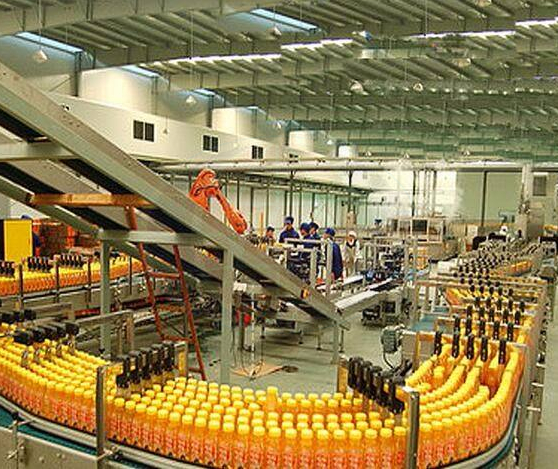
Analyze the operational trade-off between purchasing lower-yield machinery versus premium equipment. A budget machine might preserve capital initially. However, it will systematically waste thousands of tons of produce over its operational lifespan by leaving valuable liquid in the discharged pomace. Premium equipment maximizes raw material utilization, driving down the cost per liter of finished product. Over a five-year production cycle, the value of the additional juice extracted by a high-efficiency press will almost always eclipse the initial price difference of the machinery itself. Facility managers must model these yield gains against their annual raw material procurement budgets.
Fully automated PLC-controlled systems require higher upfront investment but lower daily manual labor. They offer precise control over pressing variables and integrate seamlessly into centralized SCADA systems. They demand specialized technicians for software troubleshooting and sensor calibration. Semi-automatic systems rely more heavily on manual labor and operator intuition. They are often easier for in-house mechanical maintenance teams to repair without waiting for proprietary software diagnostics. Choose the automation level that matches your local labor market and the technical capabilities of your existing maintenance staff.
Evaluate operational costs beyond the initial sticker price. Motor efficiency ratings directly impact monthly electrical bills, especially when running 200kW drives continuously. Pneumatic presses and tensioning systems require constant compressed air, adding to the facility's overall energy load. Water usage during extended CIP cleaning cycles also drives up utility costs and wastewater treatment surcharges. Efficient machine designs minimize these recurring expenses. They utilize variable frequency drives (VFDs) to match motor speed to actual load. They also incorporate closed-loop water recycling systems for belt washing stations.
Factor in the financial protection offered by OEM warranties when calculating your break-even point. Comprehensive coverage on high-wear components like main drive motors, planetary gearboxes, and PLC modules mitigates unexpected repair costs during the critical ramp-up phase. Strong warranty terms guarantee operational uptime during the first years of production. Review the warranty stipulations carefully. Ensure you understand the difference between parts-only coverage and warranties that include on-site labor and travel expenses for factory technicians.
Outline strict strategies for phasing in new extraction equipment without halting existing production lines. Schedule complex installations during off-peak seasonal windows. Factory Acceptance Testing (FAT) prior to delivery is an absolute necessity. FAT ensures the machine operates to your exact specifications, running water or dummy product, before it ever leaves the manufacturer's facility. This protocol identifies software bugs, mechanical interferences, and dimensional errors early. It prevents costly on-site modifications and disastrous delays during the final commissioning phase on your production floor.
Purchasing from manufacturers lacking regional service networks introduces severe operational risk. Standardized, off-the-shelf component compatibility is vital for continuous operation. If a main shaft bearing fails mid-harvest, you must be able to source a replacement locally from industrial suppliers. Proprietary, custom-machined wear parts shipped from overseas will stall your production line for weeks. This leads to massive raw material spoilage. Demand a comprehensive recommended spare parts list from the vendor before purchase. Categorize them into immediate wear parts (screens, gaskets) and long-term insurance parts (drive shafts, stators).
Comprehensive vendor-supplied training is mandatory for safe and efficient operation. Operators must deeply understand emergency stop networks, specific lockout/tagout (LOTO) procedures for the new equipment, and routine daily maintenance schedules. Improper operation damages expensive extraction screens and belts. It also severely endangers personnel working around high-torque rotating machinery. Documented safety protocols, translated into the local language of the operators, ensure consistent, safe operation across all production shifts. This reduces the risk of catastrophic workplace accidents.
The optimal processing equipment is not universally the most expensive option on the market. It is the machinery most precisely engineered for your facility's specific raw materials, upstream prep capabilities, and daily capacity requirements. Selecting the right technology requires balancing mechanical extraction principles with hygienic design and long-term utility consumption. Follow a strict shortlisting process to narrow down your options effectively. Define the exact fruit type and desired end-product characteristics. Calculate the required throughput and identify all necessary upstream pre-processing modules. Select the appropriate extraction technology that maximizes yield without compromising biochemical quality. Evaluate the vendor's structural durability, regional support network, and overall operational efficiency.
Take these immediate next steps to secure the right equipment:
Request pilot testing with your specific raw materials to verify the manufacturer's yield claims under real-world conditions.
Demand detailed yield guarantees and MTBF metrics written directly into the procurement contract.
Review the manufacturer's CIP documentation, sanitary weld certifications, and sanitation protocols before issuing an RFP.
Audit your facility's utility infrastructure to ensure sufficient three-phase power, high-pressure water, and drainage capacity are available for the new line.
A: With proper maintenance and routine part replacement, industrial extraction equipment typically lasts between 10 to 15 years. Lifespan heavily depends on the acidity of the processed materials, the operating environment, and strict adherence to daily sanitation and lubrication schedules.
A: Calculate capacity by determining your required daily output in liters, then factoring in the average yield percentage of your raw material. Divide the required input tonnage by your operational hours per shift, adding a 20% buffer for maintenance downtime and seasonal peak surges.
A: Yes, most extraction equipment requires upstream pre-processing. Depending on the raw material, you will likely need industrial washers, sorting conveyors, destoners for stone fruits, or crushers and hammer mills to break down hard fruits like apples before they enter the press.
A: A belt press extracts liquid by squeezing fruit mash between tensioned porous belts over rollers, ideal for high-yield clear juices. A spiral extractor uses a rotating screw to force crushed material against a cylindrical screen, commonly used for continuous processing of fibrous fruits and vegetables.
A: Cold press hydraulic extraction applies slow, massive pressure without generating heat, preserving nutrients and minimizing oxidation for premium products. Centrifugal extraction uses high-speed spinning blades to separate liquid, which introduces heat and aeration, shortening shelf life but offering faster processing speeds.
A: CIP requirements include integrated spray balls capable of reaching all internal contact surfaces, high-pressure water flow, and compatibility with caustic and acidic cleaning chemicals. The equipment must have proper drainage angles to prevent pooling and sanitary welds to eliminate bacterial harborage points.