
Call Us
+86-15800763021
Send Us
Add
775 Chihua Road, Zhelin Town, Fengxian District, Shanghai
- All
- Product Name
- Product Keyword
- Product Model
- Product Summary
- Product Description
- Multi Field Search
Views: 0 Author: Site Editor Publish Time: 2026-08-24 Origin: Site

Thermal processing in food, beverage, and pharmaceutical manufacturing presents a strict engineering challenge. Plant operators must achieve mandatory pathogen destruction to ensure absolute consumer safety. They must execute this log reduction without degrading the product's taste, color, or texture. High energy consumption adds another layer of operational difficulty. High-volume liquid processing often struggles when relying on legacy thermal systems. Outdated setups lead to excessive utility use and frequent downtime from product fouling. They also consume massive amounts of valuable facility floor space. The solution requires upgrading the core thermal technology to match modern production demands. A plate heat exchanger pasteurizer serves as the definitive industry standard for low-to-medium viscosity fluids. It balances thermal precision, massive energy recovery, and strict regulatory compliance across diverse manufacturing sectors.
Unmatched Energy Recovery & Sustainability: Multi-section plate pasteurizers can achieve up to 95% heat regeneration and facilitate external waste heat recovery, drastically reducing utility costs and facility carbon footprints.
Modular Scalability: Unlike fixed tubular systems, gasketed plate-and-frame heat exchangers allow facilities to increase or decrease capacity simply by adding or removing plates within the existing frame.
Precision Thermal Control: High turbulence and counter-current flow enable tight temperature tolerances, minimizing the risk of thermal degradation and product burn-on.
Application Limits: While highly efficient for milk, juices, thin sauces, and clear liquids, gasketed plate systems require careful evaluation when processing fluids with high viscosity or large particulates.
A continuous pasteurization loop relies on distinct, engineered zones housed within a single frame. The physical structure consists of a fixed head, a movable head, a top carrying bar, a bottom guiding bar, and heavy-duty tightening bolts. Operators compress a pack of corrugated stainless steel plates between the two heads. These alternating plates create parallel, isolated channels. They separate the heating or cooling medium from the actual product. This design maximizes surface area contact between the two fluids while maintaining absolute physical separation.
The standard flow sequence in a multi-section unit follows a specific path:
Regeneration Section (Heating): Cold raw product enters and absorbs heat from the hot, already-pasteurized product flowing in the opposite direction.
Heating Section: The pre-heated product enters this zone, where external hot water or low-pressure steam brings it to the final target pasteurization temperature.
Holding Tube: The product exits the plate pack and travels through an external holding tube sized to maintain the target temperature for a legally mandated duration (e.g., 15 seconds for milk).
Regeneration Section (Cooling): The fully pasteurized product re-enters the plate pack, transferring its heat to the incoming cold raw product.
Cooling Section: The product passes through a final zone where chilled water or glycol drops the temperature to the final storage specification (typically around 4°C).
Fluid dynamics dictate the efficiency of the entire system. Manufacturers press specific corrugated patterns into the metal plates. The most common design is the chevron pattern. Engineers select specific chevron angles (theta) based on the fluid's characteristics. A high-theta plate creates high turbulence and high heat transfer but results in a higher pressure drop. A low-theta plate offers lower pressure drop but less aggressive heat transfer. Facilities often mix these plates to achieve the exact thermal duty required.
These corrugated patterns induce high fluid turbulence even at very low velocities. In a smooth pipe, fluid must reach a Reynolds number of roughly 4000 to become turbulent. In a plate heat exchanger, the fluid becomes highly turbulent at a Reynolds number as low as 10. This turbulence prevents a static boundary layer from forming against the plate surface. It ensures even, rapid heat distribution throughout the liquid.
Counter-current flow means the product and the heating medium move in opposite directions. This specific flow arrangement maximizes the logarithmic mean temperature difference (LMTD). A higher LMTD ensures highly efficient heat transfer across the entire length of the plate. It prevents cold spots and guarantees uniform thermal exposure.
Specific thermal thresholds define the processing method. High Temperature Short Time (HTST) pasteurization targets specific spoilage organisms and pathogens. It operates at lower temperatures, preserving the fresh characteristics of the liquid. For example, standard milk pasteurization occurs at 72°C for 15 seconds.
Ultra-High Temperature (UHT) processing pushes heat much higher to achieve commercial sterility, often exceeding 135°C. A Plate Sterilizer handles this demanding aseptic processing. It requires specialized, high-temperature gaskets made from materials like EPDM HT. The frame and plates must withstand significantly higher pressure tolerances to prevent the liquid from flashing into steam. These robust units handle the extreme thermal stress required for complete sterilization without warping the plates or blowing out the gaskets.
Regenerative heating delivers massive operational returns. You calculate the exact efficiency by measuring the energy saved during the heating and cooling stages. Modern multi-section units routinely achieve 90% to 95% regeneration. High regeneration directly reduces the thermal load on your primary steam boiler. It also reduces the cooling load on your facility's chiller system. Lowering these utility demands translates directly to a lower cost-per-liter of processed product.
You can also integrate the pasteurizer into broader facility waste heat recovery systems. Capturing and reusing this thermal energy helps modern facilities achieve strict corporate sustainability targets. It minimizes the overall carbon footprint of the manufacturing plant.
Thermal Regeneration Efficiency Examples
| Regeneration Efficiency | External Heating Required | External Cooling Required | Typical Application |
|---|---|---|---|
| 0% (No Regeneration) | 100% | 100% | Small batch processing, highly viscous fluids |
| 75% | 25% | 25% | Older legacy systems, space-constrained setups |
| 90% | 10% | 10% | Standard modern dairy and juice processing |
| 95% | 5% | 5% | High-volume continuous milk pasteurization |
Manufacturing floor space remains a premium asset. Compare a plate system against tubular or batch processing systems. A plate system of the exact same processing capacity requires a fraction of the physical footprint. This compact vertical design offers a massive engineering advantage. It makes retrofitting existing, space-constrained facilities much easier. You do not need to expand the building footprint to increase your production capacity.
Maintenance also requires less space. Technicians can unbolt the movable head, slide it back along the carrying bar, and inspect every single plate within the unit's existing footprint. Tubular systems often require long clearance areas to pull inner tubes for inspection, demanding empty floor space that could otherwise house production equipment.
Sanitary compliance is non-negotiable in liquid processing. Clean-in-Place (CIP) dynamics rely heavily on fluid velocity and wall shear stress. The same high turbulence that aids heat transfer plays another critical role. It provides the mechanical shearing force necessary to clean plate surfaces effectively. Operators typically run CIP fluids at a velocity of 1.5 meters per second to ensure adequate scrubbing action. This shearing force strips away organic residues, milk stone, and biofilms during the CIP cycle.
Strict compliance standards dictate the physical design of the plates and frames. These include 3-A Sanitary Standards and FDA guidelines. The Pasteurized Milk Ordinance (PMO) governs dairy applications in the United States. Current Good Manufacturing Practices (cGMP) govern pharmaceutical processing. The equipment must meet these standards to operate legally, requiring specific surface finishes and fully drainable plate designs.
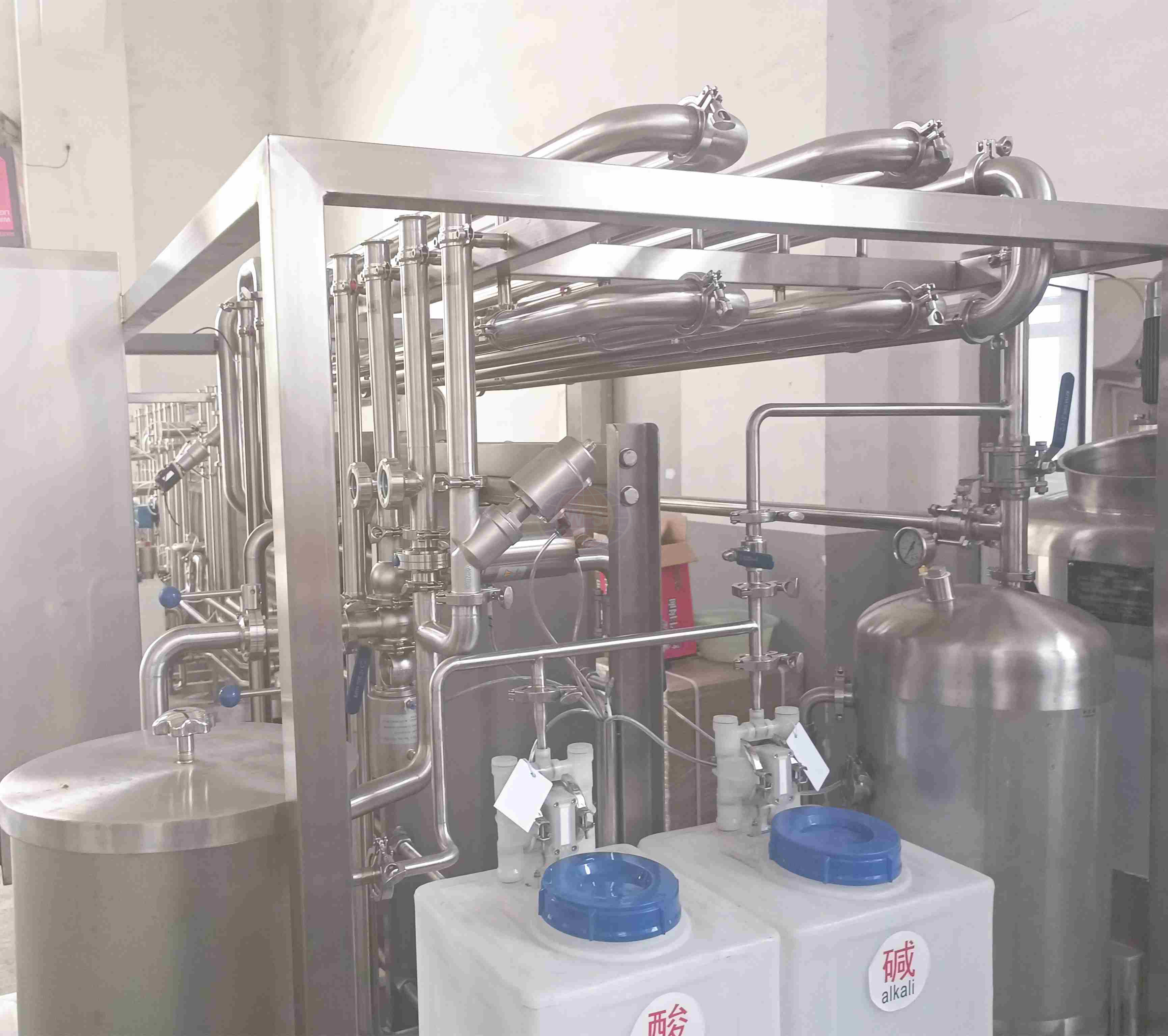
Plate systems offer a vastly superior overall heat transfer coefficient (U-value). They feature a smaller footprint and remain easily expandable by adding more plates to the carrying bar. They perform best for low-viscosity liquids. Ideal applications include milk, clear apple juice, beer, and thin sauces.
Tubular systems operate differently. They offer much higher pressure tolerance because the fluid is contained within welded pipes rather than clamped plates. They work better for liquids containing heavy pulp, long fibers, or large particulates. Orange juice with heavy pulp or thick tomato paste requires tubular designs. Tubular systems carry a significantly lower risk of clogging when processing these challenging fluids, though they require much more floor space and offer lower heat recovery.
Scraped surface heat exchangers serve a very specific, heavy-duty purpose. They are absolutely necessary for highly viscous, sticky, or crystallizing products. Cheese sauces, heavy syrups, and peanut butter fall into this category. A standard plate system would immediately foul, block, or over-pressurize under these extreme conditions.
Scraped surface units use internal rotating blades to physically scrape the product off the heating surface. This prevents burn-on and keeps highly viscous fluids moving. However, they require massive amounts of electrical energy to drive the internal rotors, offer zero heat regeneration, and demand intensive maintenance compared to static plate systems.
Heat Exchanger Technology Decision Matrix
| Technology Type | Ideal Fluid Viscosity | Particulate Tolerance | Physical Footprint | Capacity Expandability |
|---|---|---|---|---|
| Gasketed Plate | Low to Medium | Very Low (Clear liquids) | Highly Compact | Excellent (Add plates) |
| Corrugated Tubular | Medium to High | High (Pulp and fibers) | Large / Long | Poor (Fixed tubes) |
| Scraped Surface | Extremely High | High (Sticky/Chunky) | Moderate to Large | Poor (Fixed cylinders) |
Gasket wear is an unavoidable operational reality. You must select the correct elastomer material for your specific process. Common materials include Nitrile Rubber (NBR), Ethylene Propylene Diene Monomer (EPDM), and Fluorocarbon (FKM). NBR works well for standard dairy and fat-based products at moderate temperatures. EPDM handles higher temperatures and steam but degrades quickly if exposed to fats or oils. FKM handles extreme temperatures and aggressive chemicals but costs significantly more.
You must verify their chemical compatibility thoroughly. They must withstand the processing temperatures of the product itself. They must also survive repeated exposure to harsh CIP chemicals like hot caustic soda (sodium hydroxide) and nitric acid. Mitigation requires implementing a strict preventative maintenance schedule. Timely gasket replacement prevents dangerous cross-contamination. You must keep the raw, unpasteurized channels completely separated from the pasteurized product channels at all times.
Fouling disrupts heat transfer, increases pressure drop, and forces premature system shutdowns. Protein denaturation causes severe fouling in dairy processing, specifically calcium phosphate precipitation. Mineral scaling and sugar caramelization cause similar issues in juice and beverage products.
Mitigation involves optimizing the temperature differential. Engineers call this the Delta T. You must keep the Delta T between the heating medium and the product as narrow as possible, typically under 3°C for sensitive products. A high Delta T literally bakes the product onto the stainless steel plates. Maintaining proper flow velocities also prevents product from settling and baking onto the heat transfer surfaces.
Uneven flow distribution causes a phenomenon known as channeling. Channeling across the plate pack leads directly to under-processed product. Some fluid moves too fast through the channels, missing the required thermal exposure time. Other fluid moves too slowly and overcooks.
Mitigation requires proper plate corrugation selection. Manufacturers offer hard and soft thermal plates to balance thermal duty and pressure drop. Accurate sizing by the equipment manufacturer ensures uniform pressure drops. Proper sizing guarantees consistent flow distribution across every single plate in the pack. Operators must also monitor pressure gauges across the inlet and outlet to detect early signs of fouling or blockage.
Common Plate Heat Exchanger Operational Faults
| Symptom | Potential Cause | Corrective Action |
|---|---|---|
| External leakage between plates | Gasket failure or loose tie bolts | Tighten pack to specified dimension; replace gaskets |
| Internal cross-contamination | Corrosion pitting or gasket blowout | Dye penetrant test plates; replace damaged plates |
| High pressure drop | Severe fouling or particulate blockage | Initiate aggressive CIP cycle; back-flush system |
| Failure to reach target temperature | Inadequate steam supply or channeling | Check utility supply valves; verify flow rates |
Milk and whey processing demand strict regulatory oversight. Pasteurized Milk Ordinance (PMO) compliance is mandatory in the United States. Dairy systems necessitate specific plate designs featuring leak-detect grooves. These grooves ensure any gasket failure leaks harmlessly to the atmosphere. They prevent raw milk from leaking internally into the pasteurized milk channel.
Dairy systems also require complex instrumentation, including Flow Diversion Valves (FDV) and differential pressure controllers. The system must guarantee that the pasteurized side always maintains a higher pressure than the raw side. Managing protein fouling remains the primary operational challenge during continuous milk pasteurization. Operators must balance run times with mandatory CIP intervals to maintain sanitary conditions and heat transfer efficiency.
Juice processing differs significantly from traditional dairy applications. The focus shifts heavily to high-acid environments. You target specific yeast, molds, and spoilage organisms rather than traditional dairy pathogens. Managing varying fluid viscosity is critical for beverage plants. Clear apple juice flows very differently than thick mango nectars.
Facilities often utilize a Plate Heat Exchanger Pasteurizer tailored for higher temperatures to produce extended shelf life (ESL) products. The plate corrugations must accommodate the specific pulp content of the beverage. Wide-gap plates are often deployed to handle fine pulp without bridging or clogging the channels.
Breweries rely heavily on plate systems throughout their facilities. They use them for rapid wort cooling before fermentation, dropping the boiling wort to yeast-pitching temperatures in seconds. They also use them for the delicate flash pasteurization of finished beer prior to bottling, ensuring shelf stability without altering the flavor profile.
Liquid food facilities process thin sauces, broths, and marinades using similar equipment. Waste heat recovery applications are highly prevalent in these environments. Breweries capture the heat removed from the hot wort and use it to pre-heat water for the next brewing cycle. This creates a highly efficient, closed-loop energy system that drastically cuts natural gas consumption.
Biotech and pharmaceutical processing require absolute purity and traceability. Sanitary plate heat exchangers serve critical Water for Injection (WFI) systems. They handle precise media sterilization for fermentation tanks. They provide strict, highly responsive temperature control for sensitive biological fluids.
Surface finishes must meet rigorous pharmaceutical standards, often requiring electro-polishing to achieve a surface roughness (Ra) of less than 0.4 micrometers. The plate packs must drain completely to prevent any stagnant fluid or bacterial growth between production batches. Double-wall plates are frequently used to provide an extra layer of security against cross-contamination. Material certification and comprehensive documentation are mandatory for every component.
The plate heat exchanger pasteurizer remains the most thermally and spatially efficient choice for fluid processing. It excels in low-viscosity, continuous liquid applications. It dominates the food, beverage, and pharmaceutical sectors due to its unmatched energy recovery and modular design. Buyers must finalize their equipment decisions based on three core technical metrics. First, determine the maximum particulate size and viscosity of the product. Second, identify the required operating pressure for the system. Third, establish the target thermal regeneration efficiency to meet sustainability goals.
Take the following steps to ensure a successful implementation:
Consult a thermal engineer to conduct a comprehensive fluid rheology test on your specific product portfolio.
Calculate the exact plate pack sizing, surface area, and chevron angle required for your target production capacity.
Specify the correct elastomer gasket material based on your product chemistry and CIP temperature limits.
Establish a rigorous preventative maintenance schedule for CIP execution, plate inspection, and routine gasket replacement.
A: A pasteurizer operates at lower temperatures to destroy specific pathogens while preserving product quality. A sterilizer operates at much higher temperatures to achieve commercial sterility. Sterilizers require specialized high-temperature gaskets and heavier frames to handle the increased thermal expansion and internal pressure.
A: Juice pasteurization focuses on high-acid environments, targeting yeasts, molds, and spoilage organisms. Dairy pasteurization targets specific heat-resistant pathogens in a low-acid environment. Juice systems must also account for varying viscosities and fine pulp, whereas dairy systems focus heavily on preventing protein fouling and milk stone buildup.
A: Heat recovery in a multi-section plate pasteurizer is exceptionally efficient. Modern systems routinely achieve up to 95% thermal regeneration. They use the heat from the outgoing pasteurized liquid to pre-heat the incoming cold liquid, drastically reducing the energy required from external boilers and chillers.
A: Standard plate heat exchangers handle clear liquids and very fine, suspended pulp well. However, they struggle with large particulates, long fibers, or heavy pulp. These materials bridge across the narrow plate channels, causing rapid clogging and pressure spikes. Tubular heat exchangers are better suited for heavy particulates.
A: Gasket lifespan depends entirely on operating temperatures, CIP chemical concentration, and processing hours. Most facilities replace gaskets every one to two years during preventative maintenance. Stainless steel plates can last over a decade unless they suffer from severe chemical pitting, mechanical damage, or extreme pressure shocks.
A: Fouling occurs when product bakes onto the hot plate surface. In dairy, high temperatures cause proteins to denature and stick to the metal. In beverages, mineral scaling or sugar caramelization causes fouling. Using a high temperature differential (Delta T) between the heating medium and the product accelerates this process.