Call Us
+86-15800763021
Send Us
Add
775 Chihua Road, Zhelin Town, Fengxian District, Shanghai
- All
- Product Name
- Product Keyword
- Product Model
- Product Summary
- Product Description
- Multi Field Search
Views: 0 Author: Site Editor Publish Time: 2026-10-10 Origin: Site

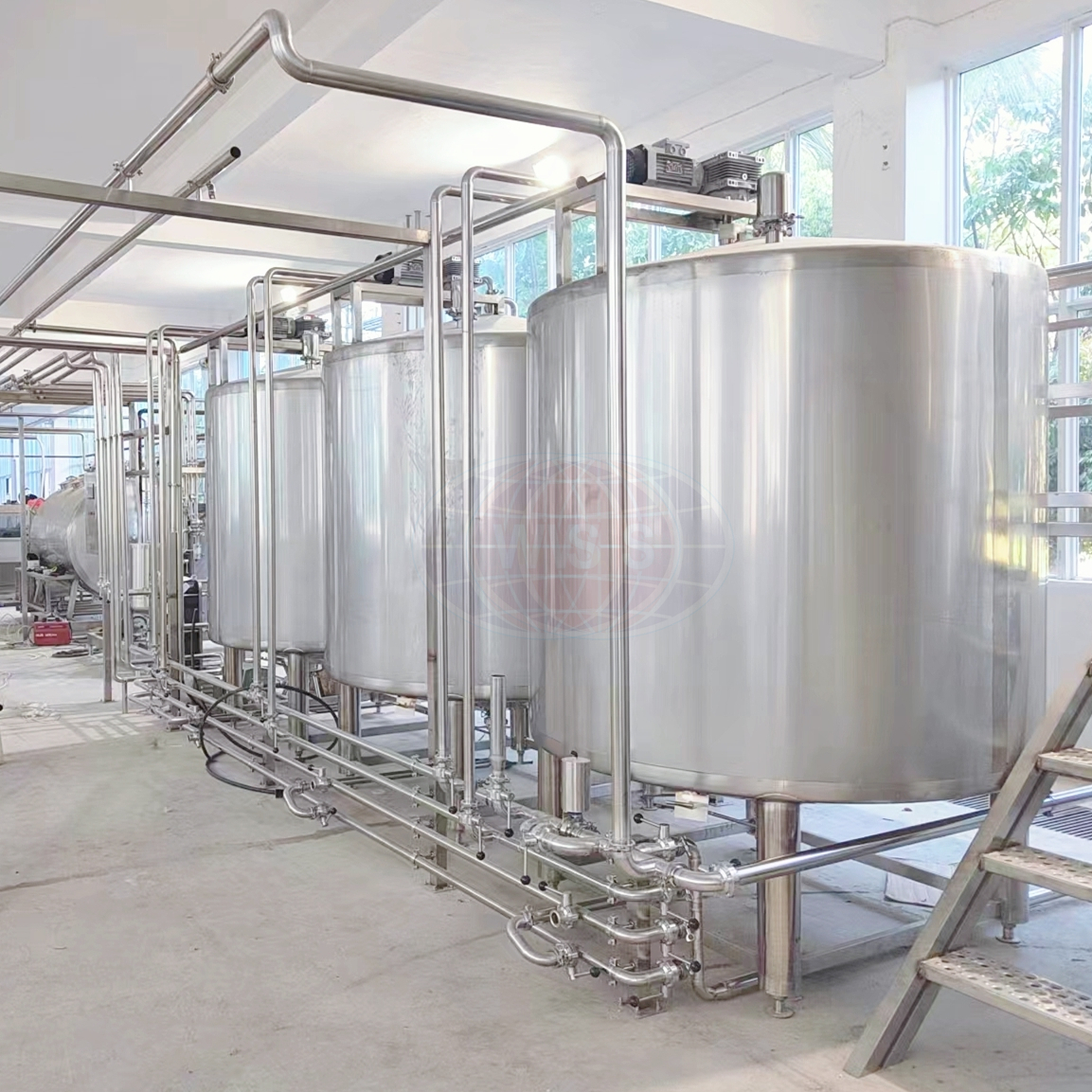
Why did your processing system stop again? Unplanned downtime destroys profit margins. A stalled system ruins fresh batches. Finding the exact mechanical fault often feels like searching for a needle in a stainless-steel haystack. As engineers on the factory floor know all too well, modern dairy processing is an intricate dance. A fully functional Automatic Yogurt Production Line relies on a synchronized ecosystem. It requires rapid heating, precise cooling, delicate biological fermentation, and high-speed packaging.
If a single modular component fails, the entire system bottlenecks. In this guide, we will break down the hidden mechanical, biological, and digital culprits behind sudden stoppages. You will discover practical, proactive maintenance solutions to keep your equipment running at peak efficiency.
Understanding the true cost of operational interruptions is crucial for facility managers. When processing equipment stalls, the financial damage extends far beyond the immediate halt in manufacturing. Unplanned downtime carries a compounding financial penalty. Immediate losses include wasted labor hours. Technicians must diagnose the fault instead of producing goods.
Furthermore, dairy products are highly time-sensitive. Does a stall last longer than the safe holding time of the raw milk? If so, the entire batch must be discarded to comply with strict food safety regulations. Beyond raw material waste, facilities face the high cost of emergency technician call-outs and premium rates for expedited replacement parts.
Consistency is the cornerstone of brand loyalty in the dairy sector. A stalled line disrupts the delicate biological processes required to achieve the correct texture and flavor profile. For instance, if the product remains stationary in pipes for too long, it leads to over-fermentation. This results in an overly acidic taste or a watery, separated texture known as syneresis. If these substandard batches accidentally reach the consumer market, the resulting damage to brand trust can take years to repair. Frequent emergency stops also place immense mechanical stress on the system infrastructure. Sudden halts cause power surges and mechanical shocks that accelerate wear and tear on drive belts, bearings, and seals.
Unlike standard beverage bottling, dairy culturing involves living organisms. The product itself dictates the pace of the machinery. Biological variables frequently cause automated systems to pause.
The incubation phase is highly sensitive to thermal fluctuations. Modern processing setups utilize advanced thermal sensors to monitor the exact parameters required by specific bacterial cultures. If the heating or cooling jackets surrounding the vessel fail to maintain the precise target temperature, the system controller automatically halts the transfer of the product. This automated pause acts as a fail-safe. It prevents the packaging of dormant or hyper-active cultures that would ruin the final consistency.
The agitator within the fermentation vessel maintains a homogenous mixture. If the agitator motor stalls or the mixing blades become fouled with thick product, heat distribution becomes uneven. Consequently, localized thermal pockets form. Accelerated coagulation occurs in these isolated pockets. This creates dense lumps that subsequently clog downstream transfer pumps and filtration screens.
Automated processing lines rely heavily on continuous pH monitoring. This determines when the fermentation process is complete. If the probes inside the Yogurt Fermentation Tank drift out of calibration, they send inaccurate data to the control unit. Stubborn films of protein residue can also blind these sensors. As a result, the automated system remains trapped in an endless waiting loop.
Physical hardware malfunctions are inevitable in high-volume dairy processing. However, understanding their root causes from an engineering perspective allows operators to minimize their frequency.
Cultured dairy possesses high viscosity and non-Newtonian fluid characteristics. Inadequate pump sizing or the use of worn-out positive displacement pumps across the Yogurt Line leads to severe pressure build-ups. Elastomeric stators inside progressive cavity pumps wear down over time. They lose their ability to push thick fluids efficiently. This causes the product to back up into the piping network. High-pressure alarms trigger, and the system immediately stalls. Similarly, pneumatic valves easily become blocked if solid fruit additives restrict the actuator movement.
The homogenizer and pasteurizer are critical checkpoints for food safety. Homogenizers operate under extreme pressure to break down fat globules. If a sudden pressure drop occurs due to a worn valve seat, the automated system shuts down. This prevents unhomogenized milk from progressing. In contrast, the pasteurizer often battles mineral scaling accumulating on the plates of the heat exchanger. This milk stone drastically reduces thermal transfer efficiency. When the temperature drops below the legal pasteurization limit, a safety flow-diversion valve instantly activates.
The packaging phase is notoriously the most frequent site of mechanical interruptions. The high-speed synchronization required to denest, fill, and seal cups leaves virtually zero room for mechanical error.
Separating individual cups from a tightly packed stack kicks off the packaging phase. Yet, this seemingly simple action frequently misfires. Static electricity buildup or slightly warped plastic cups from a supplier can cause the mechanism to miss a drop. Just a millimeter of misalignment in the pneumatic suction heads is enough to trigger a fault. When optical sensors detect an empty conveyor slot, safety protocols instantly kill the forward drive. This rapid shutdown prevents the dosing nozzles from blasting product directly onto the bare conveyor belt.
Precision is non-negotiable. Automated check-weighers monitor the mass of every filled container. Variations in product viscosity or air pockets trapped in the delivery pipes cause issues. Partially clogged dosing nozzles during Yogurt Filling lead to wildly inaccurate fill weights. If the system detects consecutive cups falling out of specification, the line stalls. Operators must step in to recalibrate the volumetric pistons.
Applying the foil lid and plastic overcap requires precise thermal and mechanical alignment. Improper heat distribution on the thermal sealing heads causes the foil to adhere poorly. Conversely, it can melt the plastic cup rim entirely. Foil lids misaligned in the magazine feed easily jam the rotary application mechanism. These glitches force the machine to halt so an operator can safely clear the crumpled foil.
Modern dairy facilities are governed by complex digital ecosystems. When the brain of the operation experiences a fault, the physical machinery comes to a grinding halt.
A contemporary automated processing system is highly modular. The pasteurization unit, fermentation tanks, and packaging lines feature their own dedicated Programmable Logic Controllers. These controllers must communicate seamlessly. If a network switch fails or electronic interference disrupts the signal, synchronization is lost. To prevent catastrophic material collisions, the entire system defaults to an emergency safe shutdown state.
Automation relies entirely on data provided by field sensors. Yet, the dairy environment is inherently hostile to sensitive electronics. High humidity, heavy condensation, splashed product, and aggressive cleaning chemicals quickly obscure optical lenses. When a sensor is blinded, it falsely registers a jam. The machine genuinely thinks there is a critical error and stalls the line, even when the physical path is clear.
Maintenance habits directly dictate operational efficiency. The Clean-in-Place system sanitizes internal components without disassembly. Improper execution leads to severe mechanical consequences.
Incomplete cleaning cycles fail to remove all organic matter from internal surfaces. Over time, microscopic layers of residual protein and calcium harden into stubborn milk stone. This buildup progressively restricts the internal diameter of the piping network. It reduces flow rates and forces transfer pumps to work against higher backpressure. Eventually, the strain exceeds the motor capacity, causing the pump to stall.
The cleaning process utilizes harsh acidic and alkaline solutions at elevated temperatures. If chemical concentrations are mixed too high, they attack elastomeric seals and gaskets. Degraded rubber becomes brittle and cracks, leading to micro-leaks. In pneumatic systems, these tiny leaks cause a loss of air pressure. Automated valves become unable to open or close fully, inevitably halting production.
Let's examine recent industry shifts. The dairy sector is experiencing a massive pivot toward high-protein, highly viscous products like Greek yogurt, alongside a booming market for plant-based alternatives. Industry analysts note that legacy processing systems are struggling to adapt. Older systems were originally engineered with standard centrifugal pumps meant for thin dairy milk. This rheological mismatch is a leading cause of increased mechanical stalls across older facilities today. Attempting to force heavy, oat-based or strained yogurts through outdated piping places immense strain on the infrastructure. It leads to blown seals and compromised product texture.
When evaluating new equipment, facility leaders must look for specific industrial parameters. A modern system should be constructed from SUS304 or SUS316L food-grade stainless steel to resist harsh cleaning chemicals. Depending on your market reach, look for scalable processing capacities ranging from 500 Liters/Hour up to 5000 Liters/Hour. Crucially, upgrade to systems featuring advanced Siemens PLC touch screen controls and fully automatic Clean-in-Place integration. Modern systems also utilize Industrial Internet of Things sensors. These allow engineers to diagnose communication breakdowns remotely, saving valuable production time.
| Feature | Legacy Yogurt Lines | Modern Automated Systems |
|---|---|---|
| Pump Technology | Standard centrifugal pumps (prone to stalling with thick fluids) | Heavy-duty lobe/rotor pumps for high viscosity |
| Material Standard | Mixed alloys, susceptible to acid corrosion | High-grade SUS304 or SUS316L stainless steel |
| Control System | Manual relays or obsolete, unsupported logic controllers | Siemens PLC with intuitive touch screen interfaces |
| Cleaning Process | Manual or semi-automated, leading to milk stone buildup | Fully automatic, integrated CIP systems |
| Viscosity Handling | Limited to traditional, thin yogurt varieties | Easily processes Greek, strained, and plant-based yogurts |
Transitioning from reactive troubleshooting to proactive management is the only reliable way to maintain high equipment effectiveness.
Relying on parts to fail before replacing them guarantees unexpected downtime. Plant managers must implement a predictive maintenance schedule based on operational hours. High-friction components such as pump stators, dosing nozzles, and pneumatic O-rings should be replaced at scheduled intervals. Do not wait until they have completely failed.
Because sensor faults are a primary cause of ghost jams, routine hygiene for electronic components is mandatory. Standard operating procedures must mandate the daily wiping of all optical and proximity sensors with approved, non-abrasive cleaning agents. Additionally, pH and temperature probes must undergo weekly calibration against standardized buffer solutions.
Human error remains a significant variable in automated manufacturing. Inputting incorrect recipe parameters or bypassing safety interlocks can easily stall a line. Comprehensive, ongoing staff training is your best defense. Operators must be deeply familiar with standard procedures for both production and emergency fault recovery.
A modern processing environment requires perfect mechanical, biological, and digital harmony. Frequent stalls often highlight deeper, systemic issues with filling mechanisms, incubation processes, or inadequate cleaning practices. Stop relying on reactive troubleshooting. Shifting your operational mindset to predictive maintenance is the most effective way to protect your profit margins.
Evaluate your processing machinery today. If your facility is battling constant bottlenecks and rheological mismatches, it is time to consider targeted upgrades. Partner with experienced manufacturers to design a system that fits your specific capacity and product viscosity needs. Explore advanced, customizable solutions at WFoodMachinery to ensure seamless, profitable dairy operations for years to come.
In a commercial setting, the culturing phase typically ranges from 4 to 8 hours. The exact duration depends on the specific strains of bacterial cultures used, the target pH level for desired tartness, and the precise temperature maintained within the vessel. These biological processes require strict environmental control, usually hovering between 40°C and 45°C. If the heating or cooling jackets fail to maintain this narrow temperature band, bacterial activity slows down. Modern automated systems detect these thermal fluctuations and intentionally stall the process to prevent spoiled batches from moving downstream.
The packaging phase is highly vulnerable to mechanical interruptions, with cup denesting failures being the most frequent culprit. Denesting is the automated process of separating individual cups from a stacked sleeve. Environmental factors like static electricity cause lightweight plastic cups to cling together. Manufacturing defects, such as warped cup rims or slight misalignments in pneumatic suction cups, cause the mechanism to miss a drop. When optical sensors detect an empty slot on the conveyor, safety protocols immediately halt the filling nozzles to prevent product spills.
Yes, a single automated system can be engineered to handle both, but it requires highly specific configurations. The primary challenge lies in fluid rheology. Traditional yogurt has a relatively low viscosity, whereas Greek yogurt is strained and highly concentrated. Running Greek yogurt through a system optimized only for traditional yogurt causes standard centrifugal pumps to overheat and stall. To handle both, the system must be equipped with heavy-duty positive displacement pumps that gently move viscous liquids without destroying the cellular structure of the product.
To maintain mechanical efficiency and strict food safety standards, a comprehensive cleaning cycle must be executed immediately after the completion of every distinct production batch. In continuous manufacturing environments, a full cycle should be run at least once every 24 hours. Failing to adhere to this strict cleaning frequency leads to the accumulation of milk stone and hardened protein deposits inside valves and pump housings. This buildup restricts fluid flow rates, causing pressure spikes that force the automation system to stall the pumps.
When an automated system repeatedly halts production but operators find no physical blockages, the issue is almost always related to sensor faults or software communication errors. These are often referred to as ghost stalls. In the high-humidity environment of a dairy plant, condensation or splashed product easily obscures the lens of an optical sensor. When a sensor is blinded, it sends a false positive signal to the logic controller, tricking the machine into believing a jam has occurred. Wiping down sensors routinely eliminates these frustrating interruptions.
Pneumatic pressure loss is typically caused by micro-leaks in the air lines or degraded seals within the pneumatic actuators. The harsh acidic and alkaline chemicals used during high-temperature cleaning cycles gradually break down elastomeric O-rings and gaskets. Once these rubber components become brittle and crack, compressed air escapes. Without sufficient air pressure, the automated directional valves cannot open or close completely, which prompts the system controller to halt the line for safety.
Preventing foil seal leaks requires precise calibration of the thermal sealing heads. First, ensure that the heat distribution across the sealing element is completely uniform; cold spots will prevent the adhesive from bonding to the plastic cup. Second, verify the mechanical alignment of the foil magazine feed. If the foil lids are even slightly skewed when applied, the seal will be compromised. Regularly inspecting the heating elements for residue buildup and replacing worn Teflon coatings will drastically reduce sealing failures.