
Views: 0 Author: Site Editor Publish Time: 2026-11-19 Origin: Site


Starting or upgrading an industrial beverage facility requires meticulous engineering and financial foresight. Plant managers and process engineers constantly debate whether a single extraction machine is enough. Small-scale boutique operations might get away with one. Industrial-scale profitability hinges entirely on squeezing every possible drop of valuable liquid from the raw fruit. The margin for error in modern manufacturing is razor-thin. Leaving residual moisture in discarded fruit pulp translates directly to hemorrhaged revenue.
Global apple harvests are facing unprecedented volatility due to shifting climate patterns. Consequently, raw material costs have spiked dramatically across the industry. Recent market analyses indicate a massive shift toward zero-waste processing models. Processors can no longer afford the luxury of acceptable losses. Maximizing extraction efficiency is now a survival imperative rather than a mere operational upgrade. By transitioning to a multi-stage extraction setup, facilities optimize downstream operations and achieve a significantly faster return on capital investment.
To grasp why dual pressing is an operational necessity, we must first examine the standard architecture of the facility. The industrial processing of apples follows a strict mechanical sequence. Raw apples tumble out of bulk bins into wash flumes. They are scrubbed and optically sorted to remove debris and defective fruit. Elevators then feed the clean fruit into a roaring hammer mill.
This milling stage violently crushes the apples into a coarse mash. Breaking the rigid cell walls is only half the battle. Separating the liquid from that solid mass is the real engineering challenge. The extraction phase is widely recognized by plant engineers as the critical bottleneck. If the extraction equipment fails to separate the liquid efficiently, subsequent processing stages cannot magically compensate for the lost volume.
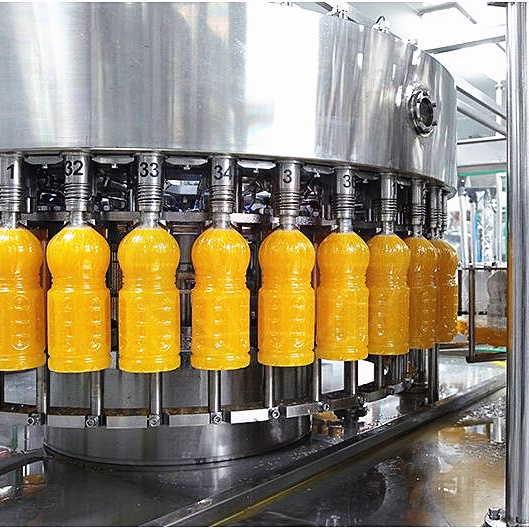
Many entry-level facilities attempt to minimize initial costs by installing just one Apple Press. Real-world data exposes the severe flaws of this simplified approach. A single unit faces unavoidable physical limits. Compressed apple mash forms a dense sponge-like cake known as pomace. This pomace aggressively resists further liquid flow. Even at maximum safe hydraulic pressure, a solitary machine leaves 70 to 75 percent moisture trapped inside the cellular matrix.
The financial impact of this trapped moisture scales exponentially with facility size. To illustrate this reality, consider a mid-sized factory processing apples continuously over a standard harvest season.
| Metric | Single Press System | Dual Press System | Difference |
|---|---|---|---|
| Hourly Apple Input | 10 Tons | 10 Tons | 0 |
| Extraction Yield | 75% | 85% | +10% |
| Hourly Juice Output | 7.5 Tons | 8.5 Tons | +1.0 Ton |
| Daily Output for 20 hours | 150 Tons | 170 Tons | +20 Tons |
That 10 percent difference equates to an extra ton of liquid every single hour. Over a standard 100-day processing season, that is 2000 tons of lost product. Throwing away hundreds of thousands of dollars with the discarded pomace represents a severe operational failure.
Furthermore, driven by the desire to squeeze out a few extra drops, plant operators often push a single machine to its absolute maximum limits. Operating machinery at its upper threshold continuously leads to accelerated degradation. Bearings fail prematurely. Belts tear under immense stress. The facility faces higher maintenance costs and an increased risk of catastrophic downtime during the peak harvest window.
To shatter these physical limits, modern industrial plants deploy a two-phase architecture. The workload is divided into two distinct mechanical phases, optimizing both continuous throughput and final recovery rates.
The primary extraction phase is engineered for high-volume rapid dewatering. The undisputed industry standard for this task is the Belt Press. Crushed mash feeds evenly between tensioned filter belts. As these belts navigate decreasing roller diameters, pressure gradually intensifies. This extracts the first 75 percent of free-flowing liquid. Industrial units typically handle 10 to 50 tons per hour with continuous uninterrupted throughput.
Moving down the line, the exiting material transforms into a semi-dry pomace. Operators slightly re-hydrate this cake with pure water to dissolve stubborn trapped sugars. This leached material enters an industrial Decanter centrifuge. Spinning at extreme speeds exceeding 3000 G-forces, the centrifuge rips the remaining liquid from the heavy fruit fibers. By deploying this secondary force, facilities easily push their total extraction yields above 90 percent.
The strategic benefits of a two-phase system extend far beyond the initial extraction floor. The physical separation creates distinct liquid profiles. Primary liquid is cleaner and naturally lower in suspended solids. Secondary liquid contains higher concentrations of tannins and complex pectins due to the aggressive centrifugal forces. Mixing them directly creates a highly turbid mud that aggressively fouls filtration equipment.
A dual setup allows operators to manage these streams strategically. High-quality primary juice undergoes gentle filtration. Cloudier secondary liquid routes to a dedicated holding tank for targeted enzymatic breakdown. This modular Clarification approach drastically reduces ultrafiltration membrane fouling. It decreases the consumption of chemical cleaning agents and makes the entire process vastly more manageable.
Producing concentrate is a relentless volume-driven business. It requires boiling away vast amounts of water to create a thick shelf-stable syrup. A thermal Concentrate Line relies on massive falling-film evaporators. These towering units consume staggering amounts of steam and electricity. A solitary press cannot feed these evaporators fast enough to keep them running at optimal capacity.
A dual setup ensures a steady maximized flow. Specifically, the secondary phase captures highly valuable dissolved sugars that would otherwise go to the landfill. Every degree of sugar recovered translates directly into more final product. Maximizing recovery at the front end makes the subsequent thermal evaporation process exponentially more profitable.
From a financial standpoint, plant managers must weigh upfront capital against long-term operational profit. Purchasing a secondary centrifuge requires significant investment in equipment, complex piping, and automation integration. However, the financial return is rapid.
| Investment Factor | Estimated Value |
|---|---|
| Cost of Secondary Equipment | $400,000 to $600,000 |
| Additional Annual Revenue | $600,000 |
| Additional Energy and Maintenance | -$50,000 |
| Net Annual Profit Increase | $550,000 |
| Estimated Payback Period | 9 to 14 Months |
The extra yield pays for the second machine within 12 to 18 months of continuous operation. Once the equipment is fully amortized, that additional yield transforms into pure unadulterated profit. Additionally, squeezing the pomace a second time results in a significantly drier waste product. Drier pomace slashes transportation and landfill disposal costs.
When integrating a multi-stage system, engineering harmony is absolutely critical. Plant engineers must move beyond abstract concepts and apply strict selection standards.
First, verify capacity matching. The secondary unit must comfortably handle 30 to 40 percent of the primary unit volumetric output. If the secondary machine is undersized, it creates a disastrous bottleneck. Second, demand robust material specifications. Ensure all contact parts are forged from SUS304 or SUS316L stainless steel to resist acidic corrosion from the fruit. Finally, prioritize automation integration. Look for PLC control systems that seamlessly sync transfer pumps between the first and second stages to prevent overflow.
Relying on a single extraction machine is a dangerous false economy in the high-stakes arena of industrial fruit processing. A dual-press system shatters extraction limits, maximizes your overall mass balance, and ensures your downstream evaporation units are fed with relentless efficiency. By capturing the hidden sugars and liquids trapped in the waste pulp, you guarantee the highest possible financial return on every single apple processed.
Upgrading to a multi-stage extraction setup is the smartest strategic business decision a beverage manufacturer can make. If you are ready to eliminate waste and drastically increase your operational margins, explore the high-performance extraction solutions and turnkey engineering services available at Wfoodmachinery to find the exact equipment specifications required for your facility.
Adding a secondary extraction unit to your facility can increase overall liquid yield by 5 to 15 percent. The precise increase depends heavily on the specific apple variety being milled and whether maceration enzymes are utilized during the initial mash stage.
While centrifuges can technically be deployed for primary extraction, a continuous belt system is generally preferred for apples. It offers a highly efficient process for clear liquid extraction, leaving the centrifuge to handle the much more difficult secondary extraction of the dense fibrous pomace.
Liquid extracted from the second phase can exhibit a slightly more astringent flavor profile due to the aggressive mechanical forces extracting higher levels of tannins. When this secondary liquid is properly blended with the primary stream and routed through advanced filtration, the final commercial product maintains a perfectly acceptable taste.
Not necessarily. While a dual setup is absolutely critical for evaporation lines where sheer liquid volume dictates profitability, producers of premium Not-From-Concentrate beverages also reap massive benefits. The increased raw yield makes this upgrade highly advantageous across all sectors.
A multi-stage system drastically reduces the final moisture content of the discarded pulp. Drier pomace is significantly lighter and less bulky, which immediately cuts down on transportation and landfill disposal costs.
A standard primary press leaves pomace with roughly 75 percent moisture. After passing through a high-speed secondary decanter centrifuge, that moisture content drops significantly to around 55 to 60 percent, creating a crumbly ultra-dry byproduct ideal for animal feed.
Reliability requires strict preventative maintenance. Plant engineers must implement predictive maintenance schedules on belt tensioners, wash nozzles, and centrifuge bearings before the season begins. Keeping spare filter belts and high-wear seals in local inventory prevents catastrophic downtime when running 24-hour shifts.