
Call Us
+86-15800763021
Send Us
Add
775 Chihua Road, Zhelin Town, Fengxian District, Shanghai
- All
- Product Name
- Product Keyword
- Product Model
- Product Summary
- Product Description
- Multi Field Search
Views: 0 Author: Site Editor Publish Time: 2026-08-22 Origin: Site

Commercial beverage manufacturing operates on razor-thin margins. Minor processing inefficiencies quickly compound into massive revenue losses. Facility operators face a constant challenge: balancing maximum extraction yield and extended shelf-life with the preservation of taste, color, and nutritional value. Strict food safety compliance adds another layer of complexity to daily operations. While every phase of a processing facility matters, specific stages disproportionately dictate product viability, operational capital expenditure, and overall market success. Extraction methodology and microbial treatment stand out as the core steps. They determine how much liquid you recover and how long it remains safe for consumers. We will break down the primary stages of commercial operations, highlighting which decisions matter most for maximizing efficiency and product quality on the factory floor.
Pre-processing dictates baseline quality: Rapid cooling, rigorous sorting, and precise size calibration are non-negotiable for reducing initial microbial loads, preventing off-flavors, and optimizing downstream machinery.
Extraction technology defines yield and margin: The choice between pressing, pulping, and crushing directly impacts the volume of viable juice production, the uniformity of the fruit mash, and the level of undesirable oxidation.
Treatment method determines market positioning: Selecting between traditional thermal pasteurization and High Pressure Processing (HPP) forces a trade-off between equipment costs, shelf-life, and premium nutritional claims.
Line integration mitigates risk: Seamless transitions between bulk storage, optional clarification, treatment, and bottling are required to prevent contamination and minimize costly production downtime.
Evaluating a commercial processing operation requires tracking specific performance metrics. Primary indicators include extraction yield percentage, throughput rate measured in liters per hour, energy consumption per batch, and final product consistency. Yield percentage directly impacts profitability. Extracting every viable drop of liquid reduces raw material waste. Throughput rates dictate facility capacity and order fulfillment capabilities. Energy consumption drives operational expenses, particularly during thermal treatment and cold storage phases. Product consistency ensures brand reliability, requiring strict control over Brix levels and titratable acidity across different harvest batches.
To maintain strict control over the facility, plant managers monitor these core metrics:
Raw Material Conversion Rate: The exact weight of incoming fruit compared to the final volume of extracted liquid.
Utility Draw per Liter: The amount of steam, chilled water, and electricity required to process one liter of finished product.
Overall Equipment Effectiveness (OEE): A combined metric tracking machine availability, performance speed, and first-pass quality yield.
Microbial Log Reduction: The verified decrease in pathogen levels achieved during the pasteurization or high-pressure treatment phase.
Advanced factory technology cannot rescue poor raw materials. Harvesting practices and the speed of transfer from orchard to facility set the absolute ceiling for final quality. Fruit left in ambient heat degrades rapidly as natural enzymes break down cellular structures. This enzymatic activity leads to off-flavors and reduced nutritional profiles before the fruit even reaches the loading dock. Establishing strict supply chain protocols ensures raw materials arrive at optimal ripeness and internal temperature.
Facility managers constantly navigate the inverse relationship between extraction yield and liquid quality. Aggressive extraction techniques push for maximum volume but often degrade the flavor profile. Over-pressing introduces excess skin oils, seed bitterness, and unwanted cellular debris into the liquid. Machinery must be calibrated to extract the highest volume of liquid without compromising the organoleptic properties consumers expect. Managing oxidation during this phase is equally important. Exposure to air rapidly degrades color and flavor.
Meeting HACCP and regional regulatory standards forms the baseline for operational compliance. These frameworks dictate equipment sanitary design. You need smooth welds, 316L food-grade stainless steel, and the complete elimination of dead legs where bacteria can harbor. Clean-in-Place (CIP) capabilities are mandatory for modern facilities. Automated CIP systems circulate caustic wash, acid wash, and sanitizers through pipes and tanks without requiring manual disassembly. Verifiable CIP logs provide necessary documentation for health inspectors and protect the facility from costly product recalls.
The initial stages of a Fruit Juice Production Line establish the foundation for downstream success. Raw material cooling halts enzymatic degradation immediately upon arrival. Physical debris removal eliminates leaves, twigs, and field dirt. Air jet separation blows away lightweight contaminants, while mechanical brushing removes stubborn soil from the fruit skin. Flume washing utilizes circulating water to transport and clean the fruit simultaneously. Operators maintain specific sanitizer concentrations in the flume water, typically using peracetic acid or chlorine dioxide, to knock down surface bacteria. These preparatory steps reduce the initial microbial load, preventing soil-borne pathogens from entering the extraction environment.
Automated optical sorting prevents rotten or defective fruit from contaminating the batch. High-speed cameras and near-infrared sensors scan each piece of fruit as it moves along the conveyor at speeds exceeding ten units per second. Air ejectors instantly remove items showing signs of mold, severe bruising, or under-ripeness. Removing defective fruit lowers the biological burden on downstream pasteurization equipment. A single moldy apple can taint an entire 10,000-liter holding tank, making rigorous sorting a mandatory financial safeguard.
Sorting fruit by exact size and dimensions guarantees the efficiency of automated extraction equipment. Citrus extractors require uniform fruit to prevent peel oil contamination and maximize yield. If a grapefruit enters a cup designed for an orange, the machine crushes the peel, releasing bitter essential oils into the liquid. If the fruit is too small, the extractor fails to puncture the core effectively, leaving valuable liquid behind. Roller graders and diverging belt sorters calibrate fruit into precise size categories, feeding them into appropriately sized extraction lanes.
Manual sorting lines struggle with throughput scalability and consistency compared to automated grading systems. Human operators suffer from fatigue, leading to sorting errors during long shifts. Automated systems maintain continuous, objective evaluation at high speeds. While automated optical and sizing equipment requires higher initial capital, the reduction in labor dependency and the protection of downstream product quality deliver a rapid return on investment. Consistent input feeds allow extraction machinery to operate at peak mechanical efficiency without jamming or misaligning.
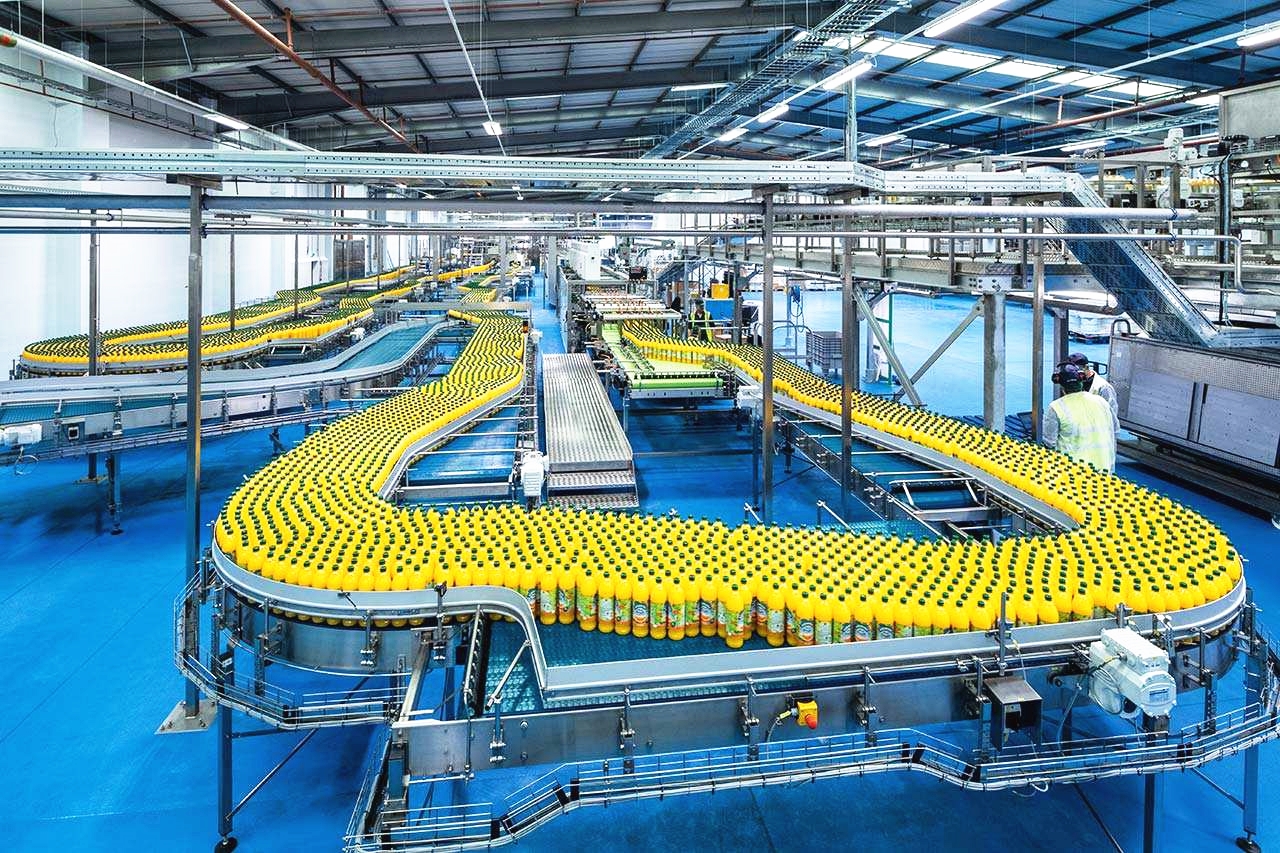
Primary extraction methods vary significantly based on the anatomical structure of the fruit. Citrus extractors utilize a specialized cup-and-cutter mechanism to isolate the internal liquid from the bitter albedo and flavedo layers. Belt presses utilize tensioned mesh belts and heavy rollers to squeeze liquid from hard fruits like apples and pears. Pulpers and finishers manage fleshy, stone fruits like mangoes and peaches, forcing the soft tissue through perforated screens to separate purees from pits and skins. Selecting the correct mechanical approach ensures optimal raw material utilization.
Pressing and squeezing work best for clear liquids, minimizing skin oil integration and cellular disruption. This gentle approach leaves the solid matrix largely intact, producing a cleaner raw liquid that requires less downstream filtration. Crushing and pulping suit nectars and purees, maximizing raw material utilization by creating a uniform fruit mash. Hammer mills and macerators break down the cellular structure completely, releasing maximum flavor compounds and structural pectins necessary for thicker beverages.
Multi-fruit blending introduces complex operational challenges. Producing mixed beverages requires precise blending of different uniform mashes prior to or immediately following extraction. Different fruits possess varying pH levels, viscosities, and enzymatic profiles. Blending must occur in controlled tanks with high-shear agitators to ensure homogeneity. Operators must carefully sequence the extraction and blending phases to prevent incompatible enzymes from degrading the final mixture.
Managing oxidation and enzymatic browning is vital during the crushing and extraction phase. When cellular walls rupture, polyphenol oxidase enzymes react with ambient oxygen, causing rapid browning and flavor degradation. Facilities implement enclosed extraction environments flushed with nitrogen gas to displace oxygen. Alternatively, dosing ascorbic acid directly into the mill during crushing acts as a powerful antioxidant, protecting the color and flavor profiles. The extraction phase defines the baseline volume for commercial juice production, making atmospheric control essential.
Requirements differ drastically between cloudy, unfiltered liquids and brilliantly clear products. Cloudy variations, such as premium orange or natural apple cider, bypass intensive filtration. These products rely on simple decanting or coarse screening to remove large seeds and skin fragments while retaining beneficial pulp and pectins. Clear products demand advanced separation technologies to remove suspended solids, proteins, and colloidal particles that cause haze.
Centrifugation offers high-speed removal of large suspended solids with high throughput. Disc stack centrifuges generate massive G-forces, forcing heavier solid particles to the outer wall of the spinning bowl while the clarified liquid exits through the center. This method provides moderate capital expenditure and handles large volumes efficiently. Centrifugation alone cannot achieve brilliant clarity, as microscopic colloids remain suspended in the liquid.
Membrane filtration provides precision clarity and cold microbial reduction. Ultrafiltration and microfiltration systems utilize porous ceramic or polymeric membranes. The liquid is pumped across the membrane surface under high pressure. Clean liquid passes through the microscopic pores, while solids, bacteria, and large proteins are retained. Membrane systems carry higher operational expenses due to routine membrane replacement and the energy required to maintain trans-membrane pressure. Fouling risks require aggressive CIP protocols using specialized enzymatic cleaners to clear blocked pores and restore flow rates.
The choice of filtration impacts the perceived premium nature of the beverage. Crystal-clear apple or grape liquids appeal to specific consumer demographics and command different retail positioning than their cloudy counterparts. Filtration also dictates the physical stability of the product on the shelf. Removing unstable proteins and pectins prevents unwanted sedimentation and haze formation during months of ambient storage, protecting the brand's visual appeal in transparent packaging.
The preservation step acts as the primary determinant of shelf-life, nutritional retention, and facility capital expenditure. Untreated raw liquid spoils within days due to natural yeast, mold, and bacterial populations. Selecting the appropriate microbial kill-step defines the product's distribution channel, dictating whether it requires continuous cold-chain logistics or can survive ambient warehouse storage.
Thermal pasteurization remains the industry standard for microbial control. High Temperature Short Time (HTST) and Ultra High Temperature (UHT) systems utilize plate or tubular heat exchangers to rapidly heat the liquid, hold it at a target temperature for seconds, and rapidly cool it. HTST typically runs at 72°C for 15 seconds, while UHT pushes past 135°C for 2 to 5 seconds. This provides a highly effective pathogen kill-step with lower initial equipment costs compared to non-thermal alternatives. High heat degrades heat-sensitive vitamins, particularly Vitamin C, and alters fresh flavor profiles, often introducing a cooked taste to delicate fruits.
High Pressure Processing (HPP) offers a non-thermal alternative that preserves fresh taste and maximum nutritional value. HPP subjects the packaged product to extreme isostatic pressure, often reaching 87,000 psi, inside a water-filled chamber. This pressure ruptures microbial cell walls without generating heat, leaving flavor compounds and vitamins intact. HPP enables premium retail positioning and commands higher price points. The primary drawback is significantly higher capital and maintenance investments. The heavy machinery requires specialized infrastructure and frequent replacement of high-pressure seals and intensifier pumps.
Traditional post-bottling HPP relies on batch processing, which limits throughput and requires specific flexible packaging that can withstand compression. Emerging HPP In-Bulk technology allows for continuous flow integration. The liquid is pressurized in bulk vessels before being routed to an aseptic filler. This advancement enables more sustainable packaging choices, including glass and rigid cartons, while improving overall facility throughput.
Treatment Method Decision Matrix
| Treatment Technology | Primary Mechanism | Impact on Flavor & Nutrition | Distribution Requirement | Capital Expenditure |
|---|---|---|---|---|
| HTST Pasteurization | Thermal (Plate Heat Exchanger) | Moderate degradation; slight cooked flavor | Cold Chain (typically) | Low to Moderate |
| UHT Pasteurization | Extreme Thermal (Tubular Exchanger) | High degradation; noticeable flavor shift | Ambient Storage | Moderate |
| In-Bottle HPP | Isostatic Pressure (Batch Chamber) | Excellent retention; fresh taste | Cold Chain | Very High |
| In-Bulk HPP | Isostatic Pressure (Continuous Flow) | Excellent retention; fresh taste | Cold Chain or Ambient | Very High |
Giant holding tanks manage the flow between continuous extraction and batch-oriented bottling. These tanks are equipped with advanced agitation systems to maintain homogeneity, preventing pulp from settling to the bottom. Glycol cooling jackets surround the stainless steel vessels, providing strict temperature control to halt microbial growth before bottling. Nitrogen blanketing inside the headspace of the tanks prevents oxidation during storage.
Filling technologies must align precisely with the chosen treatment method. Aseptic filling involves sterilizing the packaging material using hydrogen peroxide baths or electron beams, then filling the commercially sterile liquid inside a sterile environment. This allows for lightweight plastics and ambient distribution but requires rigorous, highly controlled cleanroom environments with positive pressure HEPA filtration. Hot fill processes pump the liquid into containers at near-pasteurization temperatures, usually around 85°C to 90°C. The heat of the liquid sterilizes the inside of the bottle. This demands heat-resistant PET or glass containers that will not warp under thermal stress. Cold fill suits HPP or chemically preserved products, allowing for standard packaging materials but requiring strict cold-chain logistics.
Recontamination during the transfer from treatment tanks to the bottling line remains a severe implementation risk. If sanitary protocols fail, ambient microbes can infiltrate the sterilized liquid, rendering the entire pasteurization process useless. Sanitary welded pipes, block-and-bleed valve manifolds, and positive pressure filling environments prevent cross-contamination. Operators must strictly monitor the sterilization cycles of the filler heads and the integrity of the packaging seals.
Designing a modular facility allows for capacity upgrades without replacing the entire system. Forward-thinking engineers design piping layouts and floor plans with physical space reserved for future expansion. You can add parallel extraction units, larger holding tanks, or secondary pasteurizers as market demand grows. Selecting equipment with standardized communication protocols, such as IO-Link or Profinet, ensures that new machinery integrates seamlessly into the existing central control system.
Equipment bottlenecks occur when extraction outpaces pasteurization capacity. If the presses generate 5,000 liters per hour but the pasteurizer can only process 3,000 liters, the raw liquid sits idle, risking spoilage. Proper capacity mapping prevents these imbalances. Utilizing buffer tanks with advanced agitation and cooling mitigates temporary flow discrepancies, allowing the extraction line to run continuously while the pasteurizer catches up.
CIP failures lead to cross-contamination between product runs. Manual cleaning leaves room for human error, resulting in chemical residue or lingering bacteria. Investing in automated, verifiable CIP systems with data logging ensures compliance and protects product integrity. Conductivity sensors monitor chemical concentrations, while flow meters ensure adequate turbulence inside the pipes. The system records every temperature and duration metric, providing a digital paper trail that guarantees the line is sterile before the next production run begins.
Scaling up Juice Production requires careful utility planning. Expanding capacity means increasing the load on boilers, chillers, and air compressors. Plant engineers must calculate the peak utility draw of new equipment to ensure the existing infrastructure can support the expansion without causing pressure drops or temperature fluctuations across the facility.
Map out facility utility requirements, including boiler capacity for steam, chiller tonnage for cooling, and electrical loads, with specialized process engineers.
Establish a raw material testing protocol on pilot machinery to verify extraction yields and flavor profiles before committing to large-scale equipment.
Design your facility layout with modularity in mind to accommodate future capacity upgrades without disrupting existing operations.
Implement automated CIP systems with integrated data logging to streamline regulatory compliance reporting and eliminate cross-contamination risks.
Select equipment vendors based on sanitary design standards and the guaranteed availability of local replacement parts to minimize unexpected downtime.
A: The preservation and treatment phase is the primary microbial kill-step. Technologies like thermal pasteurization (HTST/UHT) or High Pressure Processing (HPP) eliminate harmful pathogens and spoilage organisms, ensuring the product is safe for consumption. Initial washing and rapid cooling support this step by reducing the baseline microbial load.
A: Automated extraction machines require uniform fruit sizes to operate efficiently. If fruit is too large, the machine crushes the peel, forcing bitter oils into the liquid. If too small, the extractor misses the core, reducing yield. Precise size grading maximizes volume and protects flavor.
A: The extraction method dictates how much liquid is separated from the solid matrix. Pressing is gentle, yielding clear liquid but leaving some moisture in the pomace. Pulping and crushing are aggressive, breaking down cellular walls to maximize yield. Overly aggressive extraction can introduce bitterness from seeds and skins.
A: Filtration and clarification are optional steps. They are only required for producing brilliantly clear products, like filtered apple or white grape beverages. Cloudy products, nectars, and smoothies bypass intensive filtration to retain beneficial pulp, fiber, and natural pectins, utilizing only coarse screens to remove large debris.
A: Hot fill processes pump near-boiling liquid into containers, using the liquid's heat to sterilize the inside of the bottle. This requires heat-resistant glass or heavy PET. Aseptic filling sterilizes the packaging separately and fills the cooled, sterile liquid inside a cleanroom environment, allowing for lightweight plastics and cartons.
A: Facilities prevent oxidation by implementing enclosed extraction environments flushed with nitrogen gas to displace ambient oxygen. Additionally, operators often dose ascorbic acid directly into the mill during crushing. This acts as a powerful antioxidant, protecting the color and flavor profiles from rapid enzymatic browning.