Call Us
+86-15800763021
Send Us
Add
775 Chihua Road, Zhelin Town, Fengxian District, Shanghai
- All
- Product Name
- Product Keyword
- Product Model
- Product Summary
- Product Description
- Multi Field Search
Views: 0 Author: Site Editor Publish Time: 2026-11-27 Origin: Site

Transitioning from equipment procurement to full-scale commercial production is a make-or-break milestone for any beverage manufacturer. Why do so many newly built factories struggle in their first quarter? The answer usually lies in rushed equipment handovers. Simply turning on the machines is never enough. Protecting your capital investment demands a highly systematic, step-by-step validation process.
A successful handover goes far beyond flipping a main power switch. It is a rigorous, data-driven procedure designed to ensure your facility operates safely, efficiently, and profitably from day one. We will break down the exact engineering steps required to bring a modern beverage packaging facility online. From the initial mechanical torque checks to the final official document sign-off, mastering this workflow helps you avoid costly downtime. It guarantees strict product quality and empowers your workforce to manage a complex manufacturing ecosystem with absolute confidence.
Current industrial data reveals a massive shift toward smart manufacturing and Industry 4.0 ecosystems within the beverage sector. Modern production lines are no longer isolated mechanical assemblies. They are highly automated, IoT-enabled networks. Consequently, modern handover protocols have evolved. Today, field engineers prioritize software integration, PLC handshakes, and real-time data validation alongside traditional mechanical wrench-turning. Adapting to this interconnected reality is the only way to safeguard your investment.
A structured handover acts as your primary risk mitigation strategy against premature equipment wear. Industrial beverage machinery represents a massive capital expenditure. Bypassing standard integration protocols frequently leads to misaligned components. This misalignment causes accelerated bearing degradation, excessive servo motor strain, and micro-fractures in structural stainless steel supports. By adopting a phased engineering approach, technicians establish solid baseline performance metrics. This guarantees the machinery operates within the manufacturer's specified micro-tolerances right out of the gate.
Furthermore, verifying workplace safety and regulatory compliance is an absolute requirement before high-speed production commences. Industrial environments present inherent physical risks, ranging from high-voltage electrical panels to pressurized pneumatic manifolds. A meticulously documented verification process guarantees that all emergency stops, safety interlocks, and physical guarding mechanisms function flawlessly. This systematic audit aligns with international occupational safety standards, keeping facility personnel safe from preventable accidents.
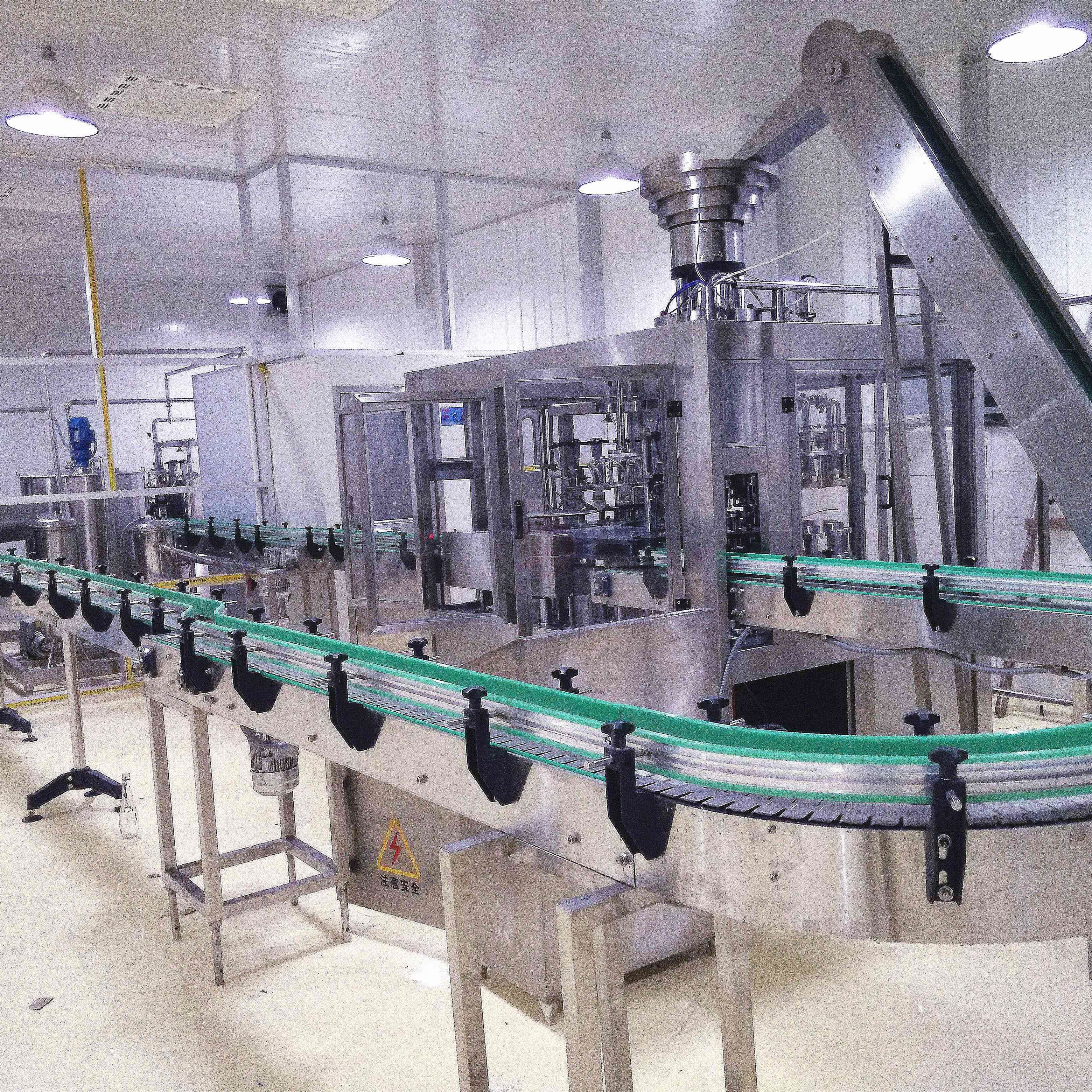
Catching operational bottlenecks during these preliminary phases saves facilities thousands of dollars in lost operational time later. When equipment is rushed directly into production, minor integration errors compound into massive systemic jams. A slight conveyor speed mismatch can cause hundreds of tipped bottles. Identifying and rectifying these inefficiencies early optimizes Overall Equipment Effectiveness. A complete beverage production line relies on rinsers, volumetric fillers, cappers, and labelers communicating flawlessly. A structured workflow ensures these distinct modules sync perfectly, preventing upstream backups and downstream starvation.
| Metric | Rushed Handover | Structured, Phased Handover |
|---|---|---|
| Initial Setup Time | Fast but superficial | Thorough and systematic |
| First-Year Maintenance Costs | Extremely High due to premature wear | Low and predictable |
| Overall Equipment Effectiveness | Often struggles to hit 70% | Consistently exceeds 90% |
| Material Waste During Startup | High volume of wasted product and packaging | Minimal waste due to controlled testing |
The bedrock of a successful project is a flawless equipment installation. During this initial phase, structural engineers and field technicians conduct exhaustive mechanical and electrical verifications. Technicians physically crawl under conveyors with calibrated torque wrenches. They meticulously confirm that every anchor bolt meets exact factory specifications. The machinery must be perfectly leveled to prevent vibration-induced metal fatigue over time. Simultaneously, electrical teams verify that all panels are wired according to schematics. They conduct insulation resistance tests and ensure proper grounding to eliminate the risk of electrical faults.
In addition, a primary manufacturing line relies heavily on auxiliary sub-systems to function properly. Engineers must ensure that external utilities are correctly piped and wired into the main infrastructure. This includes high-pressure air compressors, water filtration units, and Clean-in-Place sanitation systems. This integration process requires careful calibration of flow meters and pressure regulators. Proper calibration guarantees the primary machinery receives a stable, uninterrupted supply of necessary utilities.
Prior to introducing any live power to the system, technicians execute a rigorous safety audit. This includes the physical inspection of all protective guards, the verification of optical light curtains, and the testing of automated shut-off valves. Compliance with local industrial regulations and environmental standards is officially documented at this stage. This creates a legal and operational baseline for the entire facility.
Once the physical setup is verified, the engineering team initiates the initial dry run phase. This is the critical process of powering on the machinery without introducing any liquid products or packaging materials. The primary objective here is to observe the raw mechanical kinematics and automated logic sequences in a controlled, zero-load environment. This allows engineers to isolate mechanical behaviors without the unpredictable variables introduced by fluid dynamics or material handling.
During this dry phase, technicians systematically activate individual motors and variable frequency drives. The factory floor goes quiet as engineers listen closely for the subtle acoustic signatures of trouble. A high-pitched whine might indicate a misaligned bearing, while a harsh grinding sound points to structural friction. They visually verify that all motors are spinning in the correct orientation. Conveyor transitions are meticulously inspected to ensure seamless transfer points, which prevents future bottle tipping or catastrophic jamming.
Modern manufacturing heavily relies on automated logic. Consequently, the Programmable Logic Controller is rigorously tested during this empty phase. Engineers manually trigger photoelectric and proximity sensors to ensure the software correctly identifies the simulated presence of bottles. This input and output loop testing verifies that the machine brain is correctly interpreting signals from its sensors. It ensures automated responses function exactly as programmed.
Introducing purified water before the actual beverage product is a standard empirical practice. A comprehensive water test evaluates the fluid dynamics and hydrostatic integrity of the system without wasting expensive raw materials. Water provides a neutral, low-cost medium to simulate the physical properties of the final beverage under operational pressures. Watching clear water flow through the manifolds allows operators to spot micro-leaks without dealing with the sticky, acidic mess that a spilled energy drink or sugary syrup would create.
Engineers pressurize the internal piping, manifolds, filling valves, and nozzles to their maximum operational limits. The system is often held at pressure, such as 3 to 5 Bar, for a designated duration to monitor for pressure drops. A sudden drop is an immediate indicator of compromised seals. Technicians physically inspect all sanitary tri-clamp connections, food-grade gaskets, and rotary joints. Identifying and sealing these leaks early prevents product contamination and structural degradation later.
Beyond pressure testing, this phase serves as the initial system flush. The high-velocity circulation of water clears out any residual metallic dust, welding slag, or environmental debris left over from the mechanical assembly phase. Furthermore, this step validates the flow rates of the sanitation system. It ensures that spray balls within the filler bowl provide full 360-degree coverage, which is an absolute prerequisite for achieving commercial sterility.
Transitioning from theoretical testing to real-world application happens during system commissioning. In this highly anticipated phase, the actual beverage and the commercial packaging materials are introduced into the processing stream. Whether the product is highly carbonated water, viscous pulp-heavy juice, or nitrogen-dosed tea, this phase evaluates how the machinery interacts with specific chemical and physical properties.
Different liquids exhibit unique foaming characteristics, viscosities, and specific gravities. Technicians adjust the proportional pneumatic valves and flow meters to achieve exact volume requirements. The goal is to minimize the standard deviation of the fill volume. Under-filling leads to severe regulatory compliance issues and consumer distrust. In contrast, over-filling results in massive cumulative product giveaway and reduced profit margins. Statistical Process Control tools are frequently utilized here to measure fill accuracy across hundreds of continuous cycles.
Downstream equipment must be perfectly synchronized with the filler output. During this period, capping heads are calibrated using digital torque testers. This ensures caps are applied with the exact specified torque. They must be tight enough to prevent leaks, but loose enough for consumer opening. Labelers are finely adjusted to apply adhesives evenly, ensuring label placement falls within strict millimeter tolerances without wrinkling, tearing, or skewing.
The handover process requires formal, objective validation. It is important to distinguish between a Factory Acceptance Test conducted at the vendor facility prior to shipping, and the Site Acceptance Test which occurs on the buyer factory floor. This final test is the definitive evaluation. It tests the equipment under real-world environmental conditions, utilizing the actual utilities and raw materials of the facility.
To pass this critical milestone, the production line must operate continuously for a predetermined contractual period, typically ranging from 8 to 24 hours. The facility floor transforms into a high-stakes observation deck. Engineers stand by with clipboards and tablets, monitoring the system to prove it hits the promised Key Performance Indicators. If the contract guarantees a throughput of 15,000 bottles per hour at 98 percent efficiency, the system must empirically demonstrate this capability without excessive manual intervention or high defect rates.
Once the performance metrics are achieved and documented, the final handover protocol takes place. Both the lead engineer of the vendor and the plant manager of the facility sign the testing documentation. This signature represents a pivotal legal transition. It officially transfers the ownership, operational liability, and daily maintenance responsibility of the machinery directly to the buyer.
Even the most technologically advanced machinery will fail if the facility staff lacks the competence to operate it. A physical handover is fundamentally incomplete without a corresponding knowledge transfer. Vendors must provide comprehensive, on-site training for machine operators, quality control personnel, and maintenance crews. This hands-on instruction covers standard operation, minor mechanical troubleshooting, and safe intervention protocols.
The transfer of technical documentation is another vital deliverable. Facility managers must receive complete operations and maintenance manuals, electrical wiring diagrams, piping and instrumentation diagrams, and a comprehensive bill of materials for spare parts ordering. Additionally, detailed changeover checklists are provided. These establish a standardized method for operators to switch between different bottle formats or beverage recipes with minimal downtime.
Leveraging the deep technical expertise of the vendor, facility management should codify daily routines into strict Standard Operating Procedures. These documents dictate the exact sequences for morning startups, emergency shutdowns, and end-of-shift cleaning cycles. Clear, accessible procedures reduce human error, ensure consistent product quality, and significantly extend the lifecycle of the mechanical assets.
For decision-makers navigating the procurement phase, evaluating equipment vendors requires looking far beyond the initial capital quote. The true value of an industrial partner is demonstrated through their handover protocols, equipment specifications, and post-installation support. When selecting a partner to build your turnkey project, demand specific, high-performance parameters.
Specifically, look for vendors that provide advanced 3-in-1 monoblock systems combining washing, filling, and capping into one seamless unit. Ensure the equipment is constructed from premium SUS304 or SUS316L stainless steel for maximum corrosion resistance and food safety. The control systems should feature internationally recognized PLC brands like Siemens or Mitsubishi to guarantee stable automation. Furthermore, the equipment should be scalable, offering production capacities ranging from 2,000 to 24,000 bottles per hour to match your commercial growth.
In standard industrial contracts, the successful completion of the final performance test officially triggers the commencement of the equipment warranty period. However, a warranty is only as valuable as the ability of the vendor to execute it. Manufacturers must prioritize partners who offer robust service level agreements, guaranteed localized spare parts availability, and responsive remote technical support. Reliable after-sales infrastructure ensures that any anomalies occurring after the official handover are resolved swiftly, safeguarding overall productivity.
Bringing a complete beverage production line to life is a complex engineering journey that demands patience, precision, and a highly structured approach. Skipping or rushing through the initial mechanical checks, empty-machine runs, or fluid tests inevitably leads to long-term operational headaches and catastrophic financial losses. A successful handover culminates in a rigorous, data-backed performance test and thorough staff training. This process forms the ultimate foundation for a profitable, high-efficiency beverage manufacturing business.
If you are planning a new facility or upgrading an existing plant, partnering with an experienced manufacturer is critical. By demanding a clear, documented integration process and specifying high-grade components like SUS304 piping and advanced PLC controls, you secure not just a machine, but a reliable engine for your future growth. Ready to build a high-efficiency facility? Explore the turnkey solutions at WFOOD Machinery to find the exact production line configurations that match your commercial ambitions.
The timeline for completing a handover is highly variable and depends entirely on the complexity, scale, and automation level of the facility. For a standard, low-speed filling system with minimal downstream automation, the entire process might be completed in one to two weeks. However, for a high-speed, fully automated system integrating multiple modules like blow molding, precise volumetric filling, automated labeling, and robotic palletizing, the timeline is significantly longer. A realistic schedule for a complex system typically spans four to eight weeks, encompassing mechanical positioning, wiring, fluid testing, and final performance validation.
While both procedures are critical prerequisites to processing actual beverages, they serve distinctly different diagnostic purposes. A dry run involves powering on the machinery entirely empty without any liquids, bottles, caps, or labels. The primary objective is to observe the kinematics of the system, verifying motor directions, conveyor tracking, and software logic. In contrast, a water test introduces purified water into the fluid pathways, piping, and filler bowls. The system is pressurized to identify compromised seals, leaking valves, or pressure drops. Water allows engineers to safely test fluid dynamics and pump capacities without risking the loss of expensive raw materials.
The Site Acceptance Test is a binding contractual milestone designed to protect the buyer. If the equipment fails to meet the documented performance metrics regarding output yield, filling accuracy, or efficiency percentage, the handover process is immediately halted. The buyer does not sign the final acceptance certificate, and the final payment installment is typically withheld. Following a failed test, an industry-standard punch list is generated. The engineering team of the vendor is then legally obligated to troubleshoot, recalibrate, or replace underperforming components at their own expense. The handover is only finalized when a subsequent test empirically proves that all contractual obligations have been fulfilled.
In standard industrial procurement contracts, the buyer is contractually responsible for supplying all necessary utilities, raw materials, and consumables required to execute the commissioning and final testing phases. This includes stable three-phase electrical power, industrial-grade compressed air, and chilled water. Furthermore, the buyer must provide sufficient quantities of the actual product to be bottled, such as syrups and treated water, along with the exact commercial packaging that will be sold to consumers. Using substitute materials invalidates the testing data.
The most technologically advanced manufacturing equipment cannot achieve its promised return on investment if the facility staff lacks the competence to operate it safely and efficiently. Therefore, comprehensive operator training is a fundamental deliverable required for final project sign-off. Training bridges the gap between the engineering expertise of the vendor and the daily operational reality of the buyer. It ensures operators can handle minor troubleshooting, perform safe sanitation processes, and execute format changeovers efficiently. A well-trained workforce is empowered to resolve minor faults before they escalate into catastrophic breakdowns.
A comprehensive documentation package is essential for long-term maintenance and compliance. Upon final sign-off, you should receive complete Operations and Maintenance manuals, detailed electrical schematics, and Piping and Instrumentation Diagrams. Additionally, the vendor must supply a complete Bill of Materials with part numbers for easy spare parts ordering, PLC logic backups, and documented Standard Operating Procedures for cleaning and format changeovers. Missing any of these documents can severely delay future troubleshooting efforts.
Highly automated systems, particularly those utilizing advanced PLC networks and IoT sensors, require extended commissioning periods. While mechanical assembly might take the same amount of time as older systems, the digital integration phase is much longer. Engineers must map countless input and output signals, configure digital handshakes between distinct machines like the filler and the labeler, and tune servo motors for precise synchronization. Although this extends the initial handover timeline, the resulting digital infrastructure provides vastly superior long-term reliability and diagnostic capabilities.