Call Us
+86-15800763021
Send Us
Add
775 Chihua Road, Zhelin Town, Fengxian District, Shanghai
- All
- Product Name
- Product Keyword
- Product Model
- Product Summary
- Product Description
- Multi Field Search
Views: 0 Author: Site Editor Publish Time: 2026-11-18 Origin: Site

Packaging serves a dual purpose in the commercial beverage sector. It acts as a highly visible brand ambassador and a rigorous functional vessel. Marketing departments focus heavily on ergonomic bottle shapes and vibrant label designs to capture consumer attention. Engineers on the plant floor know a different truth. The bottle neck is the most critical functional component of the entire package.
Making an incorrect assumption about your neck specifications leads to disastrous consequences during production. A mismatched thread profile or an inadequate support ledge results in compromised seals and accelerated bacterial spoilage. Maintenance operators spend hours clearing sticky, jammed bottles from conveyor belts instead of optimizing line speed. For manufacturers investing heavily in a commercial setup, the geometry of this small plastic ring dictates the entire daily workflow. It influences everything from fluid dynamics to mechanical changeover times.
This comprehensive guide walks you through selecting the optimal bottle opening for your facility. We examine how different diameters impact specific product formulations. Thick, pulpy nectars behave very differently under pressure than clear, filtered apple juice. We also explore how these dimensions interact with core production machinery. Mastering these technical nuances helps slash material waste, minimize downtime, and maximize overall equipment effectiveness.
Before diving into machinery specifications, plant managers must grasp fundamental beverage packaging terminology. In the commercial sector, the Neck Finish refers to the specific geometric shape, thread configuration, and external dimensions of the topmost bottle portion. It acts as the standardized interface between the liquid container and the sealing mechanism.
To understand how a container interacts with high-speed machinery, break down this anatomy into core functional parts. The sealing surface is the perfectly flat top edge making direct contact with the cap liner to create a hermetic seal. Just below sit the threads. These spiraled protrusions can be continuous or multi-start, dictating exactly how the cap twists and locks into place. Further down sits the tamper-evident bead, a horizontal ridge engaging the breakable safety band on the plastic closure.
The true unsung hero of modern manufacturing is the support ledge, commonly known as the neck ring. This prominent protruding ring sits at the very base of the finish, just above the bottle shoulder. Imagine an air conveyor whipping empty PET bottles along at 600 units per minute. The support ledge is the only physical anchor keeping those lightweight containers suspended. This neck-handling technology speeds up production and stabilizes the bottle during high-velocity liquid dosing. It drastically reduces the risk of tipping and jamming across the entire facility.
Selecting the correct internal and external diameter requires a delicate balance. Plant engineers must match recipe fluid dynamics to industry-standard packaging dimensions to keep material costs manageable.
The 28mm finish, specifically the lightweight Plastic Closure Only 1881 standard, dominates the global beverage market. It suits clear, low-viscosity liquids like filtered grape juice, isotonic sports drinks, and thin fruit beverages without suspended solid particles.
The primary advantage is pure economics. Finding compatible closures is straightforward and highly cost-effective due to universal standardization. The smaller diameter requires significantly less plastic resin per bottle, yielding massive raw material savings over high-volume production runs.
As consumer palates shift toward richer textures, the 38mm wide-mouth finish has firmly established itself as the go-to standard for premium juice categories. This size is engineered specifically for orange juice with heavy pulp, thick fruit smoothies, and pressed vegetable blends.
A wider opening drastically reduces fluid velocity as the liquid leaves the filling nozzle. This minimizes messy foaming, a notorious issue when dosing thick liquids at high speeds. From a consumer standpoint, it offers a markedly superior drinking experience. Thick nectars and fruit pulp flow freely without clogging the opening.
Analyzing current beverage manufacturing shifts reveals a massive migration toward functional, health-oriented drinks. Consumers increasingly demand unfiltered, cold-pressed juices loaded with natural pulp and seeds. Bottling facilities are aggressively upgrading legacy 28mm setups to accommodate 38mm wide-mouth formats to meet this demand. This wider neck acts as a silent visual communicator of premium quality on retail shelves. Strict sustainability mandates also push packaging engineers to innovate. The industry is seeing a massive surge in lightweighting these wider necks. Shaving off fractions of a gram of plastic balances ecological footprints with the rigid structural integrity required for high-speed filling. Another rising factor is the integration of tethered caps to meet new environmental regulations. This requires highly precise thread engineering to ensure the cap remains attached without disrupting the consumer experience.
For highly specialized formulations, manufacturers occasionally opt for 43mm or larger openings. These extra-wide formats handle beverages containing large whole fruit chunks like aloe vera drinks or coconut water with real coconut bits. These oversized dimensions require highly specialized large-diameter dosing valves and custom sorting bowls, substantially increasing the initial capital investment.
| Neck Size | Best For (Product Type) | Viscosity Handling | Resin Cost Impact |
|---|---|---|---|
| 28mm | Clear juices, filtered apple, sports drinks | Low viscosity, zero particulates | Lowest material cost |
| 38mm | Pulpy orange juice, thick nectars, smoothies | High viscosity, heavy pulp | Moderate material cost |
| 43mm+ | Aloe vera drinks, coconut water with bits | Extreme viscosity, large fruit chunks | Highest material cost |
The thermal processing method utilized to guarantee food safety strictly dictates the structural and molecular integrity required of plastic packaging. Failing to align material science with liquid temperature results in catastrophic line failures.
Many commercial fruit juices with high acidity are pasteurized and filled hot. In a typical hot fill scenario, the liquid is heated to approximately 85 degrees Celsius before being injected into the container. This intense heat sterilizes the interior plastic walls and ensures a long, stable shelf life without relying on artificial chemical preservatives.
Hot filling places immense thermal stress on the packaging. It demands a specialized, crystallized neck finish made from heat-set PET. During the blow-molding phase, this specific area undergoes targeted heat treatments to alter its molecular structure, making it incredibly rigid. If an operator mistakenly runs standard non-crystallized PET through a hot-fill tunnel, the intense heat causes the threads to shrink, warp, or ovalize. When that deformed bottle eventually reaches the capping turret, you hear the distinct, costly crunch of misapplied closures. Oxygen seeps into the cooling bottle, leading to rapid microbial bloom and complete product spoilage.
Cold-filled or aseptically processed juices are dosed at ambient or chilled temperatures. Removing thermal stress allows manufacturers to utilize much lighter standard PET finishes. This saves a fortune in plastic resin over time. This material savings is often offset by facility requirements. The entire production environment must operate under strict, highly sterile, hospital-grade filtration to prevent airborne contamination.
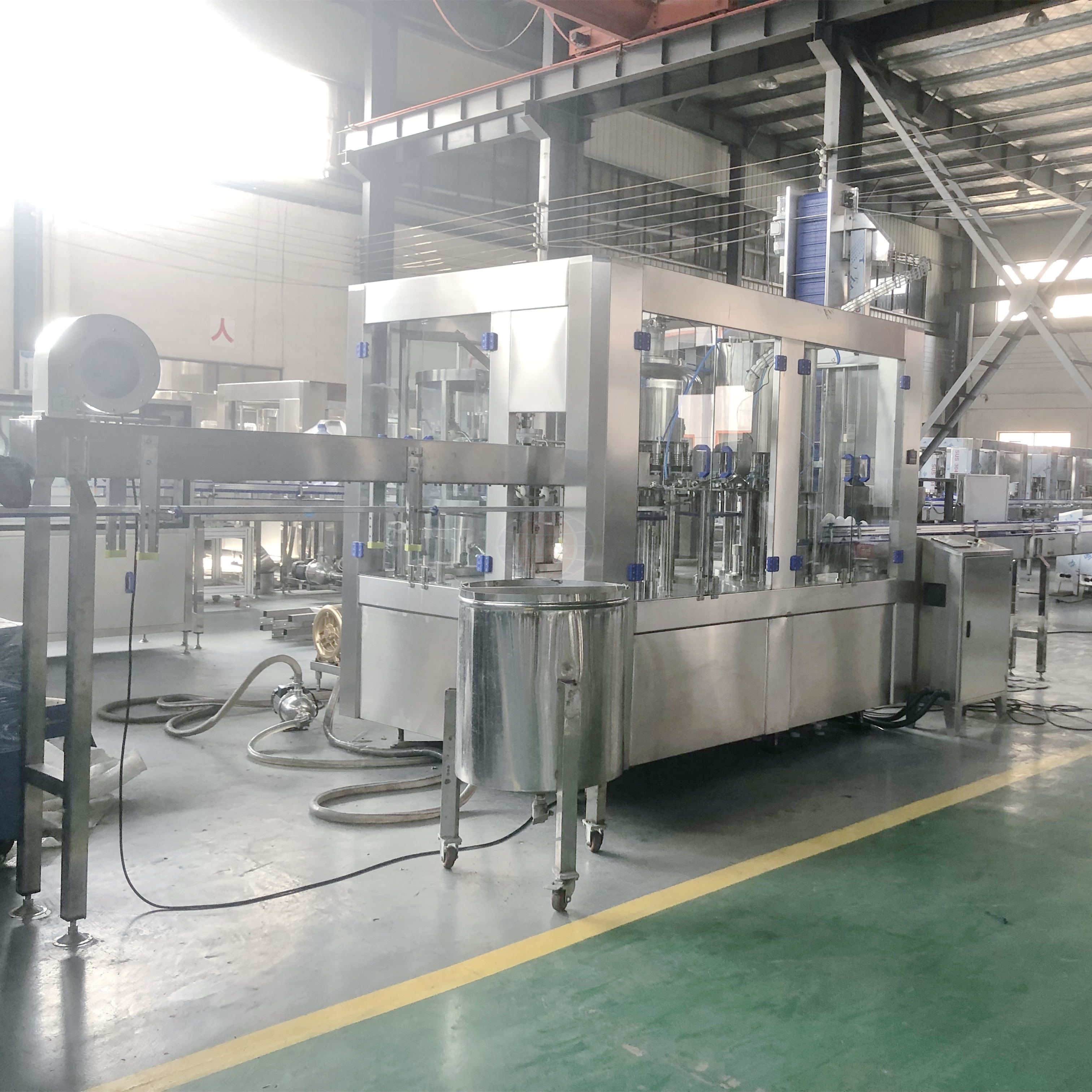
The geometry of the bottle top opening interacts intimately with primary liquid dosing equipment. Modern enclosed Rinser Filler monoblock systems utilize a complex choreography of precision-engineered star wheels and mechanical transfer grippers. High-performance 3-in-1 systems capable of handling 3,000 to 24,000 bottles per hour rely on these grippers being meticulously calibrated to clamp securely onto the bottle support ledge.
Because the machine suspends and transports the container exclusively by this ledge, the physical shape and height of the bottle body hanging below become largely irrelevant to the internal mechanics. This creates a massive operational advantage in standardization. If a facility produces 500ml, 1-liter, and 1.5-liter juice variations sharing the exact same 38mm finish, the equipment processes all three volumes with zero changeover parts. The operator simply adjusts the vertical height of the dosing bowl, and production resumes in minutes.
Running both 28mm and 38mm formats on the exact same conveyor system forces the plant to absorb severe operational penalties. Transitioning between diameters requires maintenance crews to manually unbolt and swap out dozens of neck grippers, replace heavy transfer star wheels, and recalibrate dosing valves. This labor-intensive mechanical changeover easily paralyzes a line for hours, hemorrhaging potential revenue and driving up labor costs.
Applying the closure with pinpoint accuracy is just as critical as dosing the liquid. The capping mechanics must perfectly synchronize with the microscopic geometry of chosen plastic threads.
The thread profile dictates the required closure style. A wider 38mm format often utilizes a multi-start thread pattern, typically a 3-start configuration. This consumer-friendly design allows a thirsty customer to break the seal and open the beverage with a quick 120-degree twist rather than endlessly spinning a continuous thread.
To accommodate this, the Capper machine requires flawless calibration. High-speed juice facilities rely on rotary chuck systems rather than inline spindle wheels. Advanced capping turrets utilize individual servo-driven magnetic chucks descending onto the bottle. They positively grip the closure and spin it to a mathematically precise torque setting, usually adjustable between 1.5 to 3.0 Nm depending on cap specifications. If the machine applies excessive rotational force, it violently strips the plastic threads or snaps the support ledge. If the torque is too gentle, the tamper-evident safety band fails to lock under the bead. A mismatched cap-to-neck combination guarantees sticky juice puddles on the warehouse floor and oxidized brown liquid on retail shelves.
While seemingly distant from the center of the bottle, the rigid architecture of the top finish strongly dictates downstream decorative equipment performance.
The geometric transition from the heavy support ledge down to the sloping shoulder is a highly sensitive zone. Premium juice brands employ full-body shrink sleeve labels extending upward, covering the cap to provide a seamless branded tamper-evident seal. If the transition angle below the neck ring is too sharp or bulky, the shrink film catches, wrinkles, or tears violently as it passes through the high-temperature steam tunnel.
Internal diameter directly dictates fluid behavior. Forcing a highly viscous mango nectar through a narrow 28mm opening at high velocity inevitably causes turbulent splashing. Sticky juice splashing onto the exterior PET surface creates a wet, compromised substrate. Wrap-around adhesive equipment relies on bone-dry surfaces to apply pressure-sensitive glue. A poorly specified opening inducing continuous splashing results in persistently wet bottles. This makes it impossible for the Labeler to track and adhere artwork properly, triggering a cascade of defect rejections.
Selecting optimal dimensions is a foundational engineering decision requiring cross-departmental alignment. For buyers evaluating a new Bottling Line, strictly follow this evidence-based checklist to protect your capital investment:
The bottle neck is far more than a minor packaging detail. It acts as the physical and mechanical anchor point for your entire facility. Its precise geometry dictates how efficiently containers are washed, dosed, sealed, and decorated. Making the strategic choice between a lightweight 28mm standard and a premium 38mm wide-mouth deeply impacts upfront capital expenditures and daily operational output. Deciding between the rigid demands of hot-fill versus the sterile requirements of cold-fill further shapes your machinery footprint.
To ensure long-term profitability and seamless mechanical integration, consult with packaging engineers early in the product development phase. Aligning liquid characteristics with high-quality, purpose-built equipment solutions guarantees flawless runs from the depalletizer to the final shipping carton.
Are you ready to optimize your juice production with machinery engineered for your exact bottle specifications? Visit WFood Machinery at https://www.wfoodmachinery.com to explore complete, high-performance juice filling solutions. From versatile 3-in-1 monoblock systems to advanced servo-driven cappers, WFood Machinery provides the precise equipment needed to maximize your line efficiency and safeguard your product quality.
Yes, but it is not a seamless process and requires specific, engineered changeover parts. Maintenance personnel must manually swap out neck grippers on the rinsing and filling turrets, replace sorting bowls or chucks on the capping station, and adjust the routing of star wheels. This mechanical transition consumes valuable production time and increases the initial capital investment required for extra machinery components.
A 38mm wide-mouth finish is universally recognized as the industry standard for pulpy, viscous juices. The larger internal diameter prevents thick fruit fibers from bridging and clogging dosing valves during high-speed production. It provides a significantly smoother, uninterrupted drinking experience for the consumer by allowing thicker liquids to flow easily without glugging.
Absolutely. The structural integrity of the neck directly determines the viability of the hermetic seal. If the plastic warps or ovalizes during a high-temperature hot fill process, or if the thread pitch does not perfectly match the capping machine torque settings, microscopic gaps form. Oxygen continuously seeps into the container, leading to rapid oxidation, discoloration, and bacterial spoilage of the juice.
Neck-handling is a modern automated machinery design principle where containers are suspended, stabilized, and transported exclusively by the support ledge located just below the threads. The bottles do not rest on their bases on a moving conveyor belt. This highly efficient method allows a single machine to process various bottle shapes, volumes, and heights without needing major mechanical adjustments, provided the top finish remains identical.
Directly, no, but indirectly, it has a massive impact. If branding requires full-body shrink sleeves extending over the cap to act as tamper evidence, labeling equipment must be precisely calibrated to the specific diameter of both the closure and the plastic neck to ensure a smooth, wrinkle-free application. A narrow neck causing splashing during filling results in wet bottle exteriors, completely preventing adhesive labels from sticking properly.
To prevent distortion when filling liquids at 85 degrees Celsius, you must use a crystallized, heat-set PET neck finish. Standard PET cannot withstand these thermal loads and will warp or shrink, destroying thread integrity. The blow-molding process must include targeted heat treatments to the neck area to alter its molecular structure, providing the necessary rigidity to survive the hot fill tunnel and ensure a hermetic seal.
Torque requirements vary based on the specific cap design and thread pitch, but a standard 38mm plastic closure typically requires an application torque between 1.5 to 3.0 Nm. Utilizing a capping machine with servo-driven magnetic chucks allows operators to dial in this precise mathematical setting. Applying too much torque strips the plastic threads, while too little fails to engage the tamper-evident band, leading to leaks and product spoilage.