Call Us
+86-15800763021
Send Us
Add
775 Chihua Road, Zhelin Town, Fengxian District, Shanghai
- All
- Product Name
- Product Keyword
- Product Model
- Product Summary
- Product Description
- Multi Field Search
Views: 0 Author: Site Editor Publish Time: 2026-11-16 Origin: Site

Profit margins in the beverage sector are notoriously thin. Recent industry data shows raw material and utility costs surging globally. Meanwhile, supply chain volatility forces plant managers to maximize every drop of yield. Relying on sheer output volume is no longer a viable business strategy. For operations directors, the daily reality is harsh. Even minor inefficiencies silently siphon thousands of dollars from the bottom line.
From the outside, a modern manufacturing facility looks like a seamless symphony of moving parts. However, this continuous flow consists of highly specialized zones. Each zone harbors its own potential for hidden financial leaks. To maximize profitability, manufacturers must shift focus from mere output volume to systemic efficiency. This requires identifying and permanently eliminating the hidden costs of unplanned downtime, raw ingredient waste, and thermal energy leaks across every stage of the operation. In this comprehensive guide, we will break down exactly where a manufacturing floor bleeds capital and explore practical engineering solutions to fix it.
Key Takeaways
Before diving into specific machinery, operations directors must evaluate the overarching threat of equipment stoppage. Time correlates directly to capital in high-speed liquid packaging. When the infrastructure halts, the financial bleeding begins immediately.
It is crucial to distinguish between planned and unplanned interruptions. Planned downtime is a calculated investment. It covers scheduled maintenance, sanitation cycles, and controlled product changeovers. Management anticipates these events. They adjust labor shifts and distributor expectations accordingly, mitigating the financial impact.
In contrast, unplanned downtime is a direct financial loss. This occurs when a system fails unexpectedly due to a blown pneumatic valve, a software glitch, or a sudden mechanical jam. Emergency halts disrupt the entire workflow. Upstream equipment must buffer or shut down. Downstream packaging operators stand idle. Overall Equipment Effectiveness plummets instantly.
Many plant managers underestimate the true cost of a halted line. They fail to account for indirect expenses. The financial impact extends far beyond the immediate loss of production volume. The facility continues to burn through fixed costs without generating any sellable output.
Labor costs accumulate rapidly. Forklift drivers and packaging staff wait for technicians to perform emergency repairs. Furthermore, sudden halts often result in compromised product that must be discarded. This adds raw material waste to the deficit. If the delay is severe, the company incurs expedited freight fees to meet retailer deadlines. Failing to deliver promised inventory causes lasting damage to brand reputation.
Water makes up the bulk of any beverage. This foundational ingredient must be purified before any mixing or bottling occurs. This initial phase operates continuously. Consequently, early inefficiencies compound rapidly over time, creating a silent but substantial drain on utility budgets.
Modern purification relies heavily on Reverse Osmosis systems to strip away municipal impurities. While highly effective, this process generates a reject stream of wastewater. Industry standards dictate that a well-optimized Water Treatment system should achieve a recovery rate of 75 to 80 percent.
Outdated or poorly calibrated systems often operate at recovery rates closer to 50 percent. For every 100 gallons of municipal water purchased, 50 gallons flush directly down the drain. Over a fiscal year, this excessive rejection rate artificially inflates municipal water bills and wastewater discharge fees by tens of thousands of dollars.
Imagine walking past the filtration skid and hearing the high-pitched whine of an overworked pump. Water purification is an inherently pressurized process. It requires heavy-duty pumps to force liquid through dense semi-permeable membranes.
When filters become clogged due to infrequent replacement, the system struggles. Aging mechanical pumps lose their efficiency. The system must draw significantly more electrical current just to maintain baseline flow rates. This energy spike happens internally and goes entirely unnoticed until the monthly electricity bill arrives. Upgrading to multi-stage filtration pumps equipped with Variable Frequency Drives is a proven method to suppress these hidden electrical costs.
This zone serves as the culinary heart of the operation. Purified water blends with sweeteners, flavor concentrates, and preservatives. These raw materials represent the highest variable cost in the entire manufacturing process. Any inefficiency in this specific area has a devastating impact on overall profit margins.
Precise measurement and fluid transfer are critical during the blending phase. Inaccurate dosing systems inevitably lead to variations in Brix levels. Mixing a batch with too much concentrate means the company is giving away expensive ingredients for free. Conversely, if the sugar level drops too low, the entire batch fails quality control and requires costly disposal.
Yield loss also frequently occurs during the transfer of highly viscous syrups. Thick ingredients naturally cling to the interior walls of mixing tanks and transfer pipes. If the Syrup Room lacks specialized pumping infrastructure designed for optimal product recovery, pools of expensive concentrate simply wash down the drain during the cleaning cycle.
Clean-in-Place protocols are non-negotiable for food safety. However, they are notorious resource hogs. A standard cleaning cycle requires massive volumes of heated water, caustic chemicals, and sanitizers.
Cleaning protocols lacking precision waste capital in three distinct ways. First, older systems relying on arbitrary timers often over-dose chemical agents. Second, they consume excessive thermal energy to continuously heat the wash water. Third, unnecessarily prolonged wash cycles eat into valuable production time. Modern operations utilize conductivity sensors that precisely detect when a pipe is chemically clean. This halts the process exactly when necessary and saves thousands in utility expenditures.
This station is widely considered the most critical bottleneck in liquid packaging. It represents a highly complex intersection of fluid dynamics, mechanical speed, and rigid packaging materials. Due to its sheer complexity, it is the primary battleground for combating product loss.
Volumetric accuracy is the single most important metric for a filling machine. When aging equipment lacks precision, operators frequently calibrate the valves to slightly overfill the bottles. This defensive tactic ensures the facility avoids violating strict regulatory underfill laws. Unfortunately, it results in massive product giveaway.
Overfilling a single 500ml container by 3ml seems negligible. The math at 24,000 bottles per hour is alarming. Over a year, this minor calibration error costs the company thousands of gallons of free product. If the liquid is a premium energy drink or craft juice, this translates to massive revenue forfeiture. Investing in a high-precision Filler Capper equipped with magnetic flow meters eliminates giveaway. Advanced systems maintain a liquid level accuracy of ±1.5mm, instantly stabilizing profits.
A jammed cap. A fallen bottle. A momentary sensor fault. These sound trivial, yet the filling station is highly susceptible to these micro-stops. A single halt may last less than two minutes. Accumulating thirty of these minor interruptions across a shift severely degrades daily output.
Manual changeovers between different bottle sizes or beverage profiles also drain profitability. Transitioning from a 12-ounce can to a 16-ounce can might take two hours instead of forty-five minutes due to legacy mechanical adjustments. The facility loses over an hour of prime manufacturing time. Fast, automated changeovers are critical for maintaining a healthy bottom line.
Products requiring thermal processing to ensure shelf stability demand rigorous scrutiny. The pasteurization phase is inherently resource-intensive. It requires precise temperature control to ensure food safety. Aging equipment often fails to maintain optimal thermodynamic efficiency.
A thermal processor operates by conveying bottles through successive temperature zones. It heats the liquid to a target pasteurization unit level and then cools it down. Older units frequently suffer from degraded internal insulation. Valuable heat bleeds directly into the factory environment.
More importantly, inefficient systems lack regenerative water technology. A modern Tunnel Pasteurizer captures the heat extracted during the cooling phase. It transfers this energy back to the pre-heating zones. Without this heat recovery mechanism, the facility pays a double penalty. It generates exorbitant amounts of live steam for heating while simultaneously running massive chillers for cooling.
The sound of shattering glass inside a thermal tunnel is a worst-case scenario for line operators. Temperature management inside the tunnel must be gradual and flawlessly executed. If glass bottles or rigid plastics transition from a cold zone to a hot zone too rapidly, the material experiences severe stress fractures.
Bottle breakage destroys the primary product and the packaging material. Shattered glass jams the internal conveyor belts. This mandates an immediate lock-out procedure. Maintenance personnel must manually clear the debris from inside the heated tunnel. This creates hours of unplanned downtime and halts the entire downstream flow.
Even if the liquid processing and filling stages execute perfectly, profit can still hemorrhage at the very end of the facility. The secondary packaging sector comprises labelers, shrink-wrappers, and palletizers. It relies heavily on flawless synchronization.
A seamless manufacturing environment requires intelligent accumulation logic. Accumulation tables act as vital buffers between machines operating at slightly different speeds. If the shrink-wrapper experiences a brief fault and there is no accumulation space on the conveyor, the bottles back up instantly. This forces the upstream filler to crash stop.
Poor line synchronization causes products to constantly collide. These collisions lead to scuffed labels, dented aluminum cans, and compromised structural integrity. Premium retailers routinely reject pallets containing cosmetically damaged goods. The manufacturer must absorb the cost of unsellable inventory.
End-of-line machinery is highly sensitive to variations in material alignment. When material tension fluctuates, a labeling machine may apply adhesives off-center. A shrink-wrapper may fail to seal the plastic film correctly.
The hidden cost lies in the labor-intensive rework process. Defective pallets must be manually unpacked. The ruined packaging is stripped and discarded. The products are re-run through the system. This redundant processing wastes expensive packaging consumables and diverts valuable labor hours away from productive tasks.
The global beverage market is experiencing heightened seasonal demand spikes. Unpredictable weather patterns and shifting consumer habits drive these surges. Facilities are pushed to their absolute limits during peak summer months, often running continuously. Hidden inefficiencies compound into catastrophic financial losses under this intense stress.
Plant managers face immense pressure to push aging equipment past its optimal operating capacity when demand spikes. Running legacy machines at maximum speed increases vibration. It accelerates component wear and exacerbates alignment issues.
The cost of an equipment failure amplifies exponentially during peak season. Every production hour is allocated to fulfilling immediate orders. A breakdown does not just delay inventory. It results in empty retail shelves. Pushing an outdated Beverage Line without adequate buffer capacities is a high-risk operational gamble. It often negates months of prior financial gains.
Facilities relying on a reactive maintenance strategy suffer the most during high-demand periods. Waiting for a pneumatic seal to blow or a bearing to seize before replacing it guarantees a crash at the worst possible moment.
Modern manufacturing demands predictive maintenance. Maintenance teams utilize continuous monitoring software, vibration sensors, and thermal imaging. They identify failing components weeks before they break. Replacing a worn drive belt during a scheduled sanitation shift costs a fraction of the emergency parts and overtime labor required to fix a sudden mid-production failure.
Identifying the exact locations where capital is lost is only the first step. Operations directors must take objective actions to permanently seal these financial leaks. Protecting profit margins requires transitioning from isolated troubleshooting to holistic system optimization. You must evaluate equipment based on actionable performance standards.
| Equipment Zone | Legacy System Risks | Modern Standard / Selection Criteria |
|---|---|---|
| Filling Station | Mechanical valve drift, 3-5ml product giveaway per bottle. | Magnetic flow meters, ±1.5mm liquid level precision, automated CIP integration. |
| Syrup Blending | Manual dosing errors, high concentrate waste during pipe flushes. | Automated Brix control, conductivity sensors, high-recovery viscous fluid pumps. |
| Thermal Processing | Zero heat recovery, massive live steam and chiller utility costs. | Regenerative water zones, gradual temperature stepping, precise PU monitoring. |
| Line Integration | Independent machinery islands, frequent crash stops due to jams. | Intelligent accumulation logic, centralized PLC control, seamless speed synchronization. |
The fastest and most reliable path to stopping the financial bleed is replacing legacy systems with smart technology. Modernization is not just about new steel. It is about implementing intelligent systems that communicate seamlessly across the entire floor.
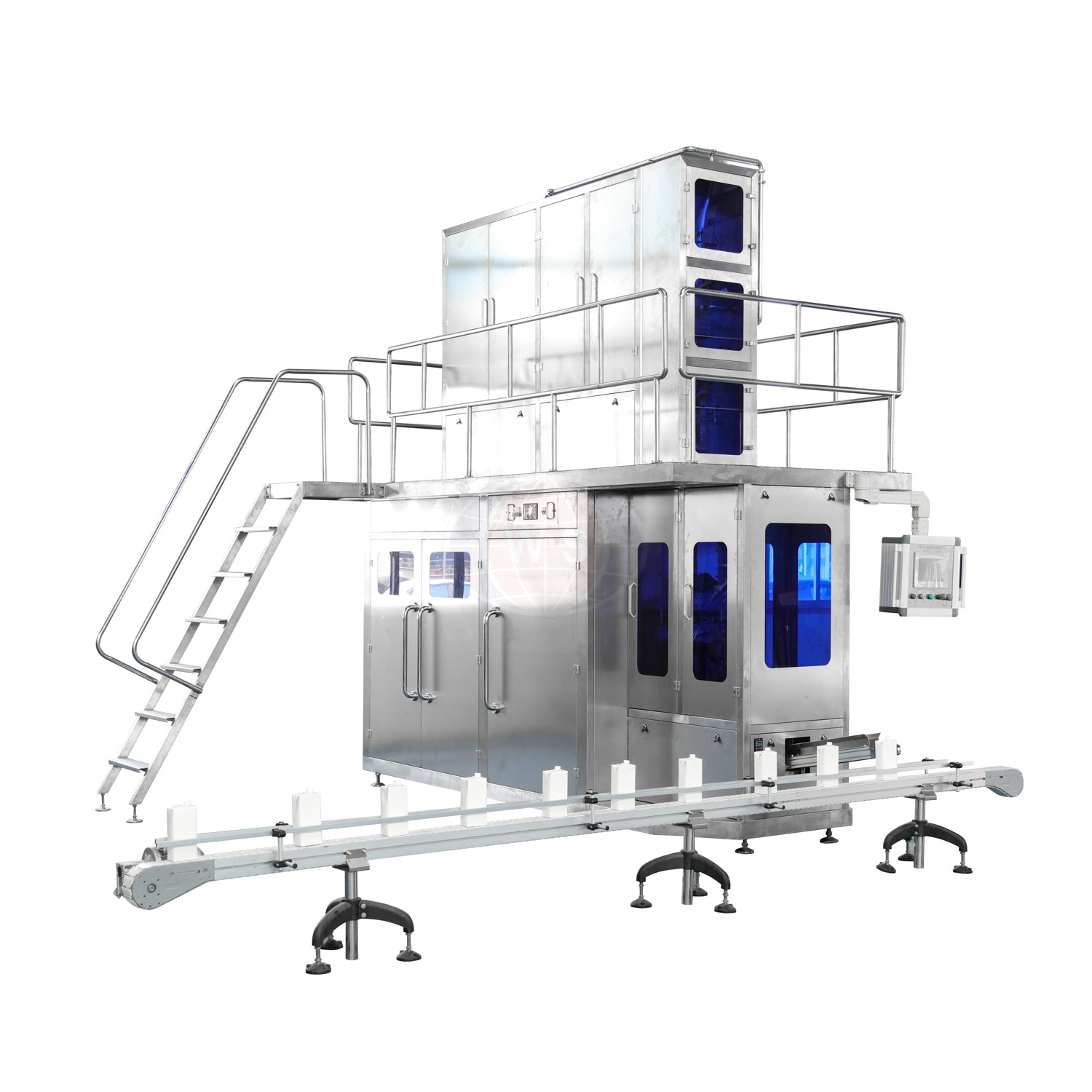
Upgrading ensures tight integration from the initial water purification tanks all the way down to the robotic palletizers. High-speed aseptic carton lines now handle capacities up to 24,000 units per hour with near-zero product waste. Investing in high-quality turnkey solutions protects profit margins. It ensures every drop of water, gram of concentrate, and kilowatt of energy is utilized to its maximum potential.
Empirical data indicates that thermal processing equipment consumes the highest volume of energy. Pasteurization tunnels drive up steam and electricity utilities massively. From a raw materials perspective, the blending and mixing areas handle the most expensive components. Inefficient batching or poor transfer processes in these zones lead to concentrate and sugar yield losses. These represent the highest direct material costs in manufacturing.
This station drains capital primarily through product giveaway and micro-stops. Mechanical valves consistently overfill containers by a few milliliters to avoid underfill compliance issues. The facility gives away thousands of gallons of free product annually. Misaligned caps lead to spoilage and rejected batches. Frequent mechanical jams cause micro-stops that halt the entire upstream and downstream production flow.
Exact figures vary based on facility scale and product value. General industry benchmarks suggest that unplanned downtime costs tens of thousands of dollars per hour. This calculation factors in the immediate loss of production yield and the cost of idle labor waiting for repairs. It also includes wasted thermal energy required to keep systems at operational temperatures and potential expedited freight fees.
Yield improvement requires eliminating manual measurement errors and optimizing fluid transfer. Upgrading to automated batching systems equipped with precise mass flow meters ensures exact ingredient proportions. Optimizing cleaning processes with advanced recovery protocols allows facilities to push residual viscous product out of the piping network before the chemical cycle begins. This significantly reduces expensive concentrate waste.
A complete replacement is financially justified when the Total Cost of Ownership of the legacy machine exceeds the investment in new technology. Combine the monthly costs of unplanned downtime, emergency spare parts, excessive utility consumption, and product giveaway. If this total surpasses the financing costs of a modern machine, repairing the old equipment becomes a continuous financial liability rather than a cost-saving measure.
Overall Equipment Effectiveness multiplies Availability, Performance, and Quality. First, track every minute of unplanned downtime to find actual Availability. Next, compare your running speed against the machine's rated capacity to determine Performance. Finally, subtract rejected bottles and spillage from total output to calculate Quality. A world-class packaging facility aims for an OEE score of 85 percent or higher.
Return on investment depends heavily on production volume and current waste levels. Facilities upgrading from manual batching to automated blending typically see a full return within 18 to 24 months. These savings stem directly from reduced raw material giveaway, lower utility bills, and the complete elimination of expensive emergency maintenance overtime.
A manufacturing facility does not lose money in just one place. It bleeds capital through a complex combination of ingredient waste, utility inefficiencies, and unplanned downtime. Sticking with outdated machinery is ultimately more expensive than investing in new technology. You must evaluate your current setup and calculate the hidden costs. To permanently eliminate these bottlenecks, explore advanced equipment combinations. Visit WFood Machinery to find high-precision, automated systems tailored to safeguard your long-term profitability.