
Call Us
+86-15800763021
Send Us
Add
775 Chihua Road, Zhelin Town, Fengxian District, Shanghai
- All
- Product Name
- Product Keyword
- Product Model
- Product Summary
- Product Description
- Multi Field Search
Views: 0 Author: Site Editor Publish Time: 2026-08-05 Origin: Site

A Beverage Production Line usually needs water, electrical power, steam or hot water, compressed air, cooling water, drainage, wastewater handling, CIP cleaning support and, for carbonated drinks, CO2 supply. These utilities should be planned before equipment installation because they directly affect production stability, hygiene, commissioning time and final output.
Many beverage projects focus first on filling speed, bottle size and equipment price. These factors are important, but the line cannot run properly if the factory utilities are not ready. Insufficient power, unstable water pressure, weak compressed air, poor drainage or missing CIP support may delay installation and reduce production efficiency.
For beverage manufacturers preparing a new factory or upgrading an existing workshop, WEISHU’s Beverage Production Line solutions can be planned according to product type, capacity target, utility supply, process flow and factory layout.
This article explains the main utilities needed for a Beverage Production Line, why each utility matters, what problems may occur if utilities are not planned correctly, and what information buyers should prepare before requesting a technical proposal.
A Beverage Production Line is not only a group of processing, filling and packaging machines. It also depends on factory utilities.
Key points include:
Water is needed for product preparation, rinsing, cleaning, cooling and CIP.
Electrical power is needed for pumps, motors, conveyors, filling machines, control cabinets and packaging systems.
Steam or hot water may be needed for pasteurization, UHT sterilization, tank heating and CIP.
Compressed air is used for pneumatic valves, filling components, capping systems and packaging machines.
Cooling water or chilled water supports product temperature control and heat exchange.
Drainage and wastewater planning are essential for hygiene and cleaning.
CIP cleaning utilities should be planned before installing sanitary beverage equipment.
Carbonated drink lines need stable CO2 supply.
Utility connection points should match the final equipment layout.
Buyers should prepare voltage, water pressure, steam source, compressed air capacity, drainage route and factory layout before equipment selection.
In short, utility planning should happen before installation, not after the equipment arrives.
Utilities support every stage of beverage production. A production line may include water treatment, mixing, blending, heating, sterilization, cooling, filling, capping, labeling, packing and cleaning. Each stage has its own utility demand.
If utilities are not ready, the factory may face:
delayed installation;
unstable commissioning;
low production speed;
poor cleaning performance;
unstable filling accuracy;
equipment alarms;
increased downtime;
higher labor pressure;
hygiene risks;
difficulty reaching planned capacity.
Utility planning is especially important for turnkey beverage production line projects because the full system must be balanced. Water, power, air, steam, cooling and drainage should match the equipment configuration and production capacity.
The following table summarizes the core utilities used in beverage production.
| Utility | Used For | Buyer Should Confirm |
|---|---|---|
| Water supply | Product water, rinsing, mixing, cleaning and CIP | Flow rate, pressure and quality |
| Electrical power | Motors, pumps, filling, packing and control cabinets | Voltage, phase, frequency and total load |
| Steam or hot water | Pasteurization, UHT, tank heating and CIP | Pressure, temperature and boiler capacity |
| Compressed air | Pneumatic valves, filling, capping and packaging | Pressure, flow, dryness and cleanliness |
| Cooling water | Cooling, heat exchange and temperature control | Flow, temperature and return system |
| Drainage | Cleaning water, CIP discharge and floor washing | Drain capacity, slope and wastewater route |
| CO2 | Carbonated drink production | Purity, pressure, storage and safety |
| CIP support | Cleaning and hygiene control | Water, heat, chemicals and return pipelines |
| Ventilation | Workshop environment and safety | Air exchange, exhaust and heat removal |
| Control connection | Automation and line communication | Cable route, control cabinet location and signal points |
The exact requirement depends on product type, processing flow, automation level and production capacity.
Water is one of the most important utilities for beverage production. It may be used as product water, rinsing water, cleaning water, cooling water or boiler makeup water.
A Beverage Production Line may need water for:
raw water treatment;
beverage formulation;
sugar dissolving;
ingredient mixing;
bottle rinsing;
tank cleaning;
pipe flushing;
CIP cleaning;
cooling and heat exchange;
floor cleaning.
Buyers should confirm:
raw water source;
water pressure;
available flow rate;
water quality;
filtration requirements;
water treatment system capacity;
connection point location;
drainage route after use.
If water pressure or flow is unstable, rinsing, mixing, cleaning and production output may be affected.
Electrical power is needed throughout the production line. It supports machine movement, pumps, conveyors, automation systems, control cabinets and packaging equipment.
Power is commonly used for:
water treatment pumps;
mixing motors;
transfer pumps;
filling machines;
capping machines;
conveyors;
labeling machines;
shrink wrapping machines;
control cabinets;
sensors and automation systems;
lighting and auxiliary equipment.
Buyers should confirm:
factory voltage;
phase;
frequency;
available total power;
electrical cabinet location;
cable route;
backup power plan if needed;
local electrical standard.
Electrical power should not be estimated only by adding the main machines. Auxiliary equipment, pumps, conveyors and control systems also need power.
Steam or hot water is often needed when the beverage process includes heating, pasteurization, sterilization or hot cleaning.
Steam or hot water may be used for:
pasteurization;
UHT sterilization;
hot filling preparation;
jacketed mixing tanks;
sugar dissolving;
heating of product pipelines;
CIP heating;
temperature control.
Juice drinks, tea drinks, milk drinks and some functional beverages may need more heating support than simple bottled water lines.
Buyers should confirm:
whether the line needs steam or hot water;
boiler capacity;
steam pressure;
steam temperature;
pipe connection location;
condensate return plan;
local boiler regulations;
safety protection requirements.
If heating supply is unstable, sterilization temperature and cleaning performance may be affected.
Compressed air is widely used in beverage filling and packaging systems. It powers pneumatic valves, actuators and control components.
Compressed air may be used for:
pneumatic valves;
filling machine actuators;
capping components;
bottle handling devices;
packaging machines;
labeling systems;
control components;
air blowing or drying in selected sections.
Compressed air should be stable, dry and clean. Wet or dirty compressed air can damage pneumatic components or cause unstable machine action.
Buyers should confirm:
air pressure;
air flow rate;
air compressor capacity;
air dryer condition;
filtration level;
pipeline distance;
pressure stability;
reserve capacity for future equipment.
Compressed air planning is especially important for automatic beverage production line projects because pneumatic control points may be distributed across the full line.
Cooling water or chilled water may be needed for temperature control, heat exchange and product cooling.
Cooling utilities may support:
cooling after pasteurization;
heat exchangers;
product temperature control;
carbonated beverage cooling;
tank temperature control;
cooling of selected equipment;
process water temperature management.
The cooling requirement depends on the beverage type and process. Carbonated beverages may need more attention to cooling because temperature affects carbonation stability. Juice and milk drinks may need controlled cooling after heat treatment.
Buyers should confirm:
cer availability;
inlet and out
ooling water source;
chilled wat
let temperature;
flow rate;
return water system;
cooling tower or chiller capacity;
location of cooling connection points.
Weak cooling capacity may slow production or affect product temperature consistency.
Drainage is often underestimated in beverage factory utility planning. However, beverage production creates wastewater during rinsing, cleaning, CIP, filter flushing, changeover and floor washing.
Drainage may be needed for:
bottle rinsing water;
product changeover discharge;
tank cleaning;
CIP discharge;
floor washing;
filter backwash;
equipment flushing;
cooling water discharge if not recirculated.
A poor beverage factory drainage system may cause water accumulation, hygiene risks, slower cleaning and installation difficulty.
Buyers should confirm:
drain location;
drain capacity;
floor slope;
wastewater route;
local discharge requirements;
wastewater treatment needs;
separation of clean and dirty water if required;
accessibility for cleaning.
Drainage should be planned together with equipment layout, not treated as a separate detail after installation.
CIP means cleaning in place. It is used to clean tanks, pipes, valves and processing equipment without full disassembly. For sanitary beverage production, CIP cleaning utilities are critical.
CIP may require:
clean water;
hot water;
steam or electric heating;
cleaning chemicals;
pumps;
return pipelines;
drainage;
temperature control;
flow control;
sometimes compressed air.
CIP cleaning support affects hygiene, product safety and changeover efficiency. If CIP utilities are not planned correctly, cleaning time may increase and production schedules may become unstable.
For juice, tea, milk-based drinks and other hygienic beverage processes, CIP should be considered during early factory design.
Carbonated drink production requires CO2 supply. The CO2 system should be stable and suitable for the carbonation process.
CO2 supply may affect:
carbonation level;
product taste;
filling stability;
pressure control;
foam control;
production consistency.
For carbonated beverages, a Carbonated Drink Production Line should be planned with stable CO2 supply, water treatment, cooling, compressed air, filling, packing and CIP support.
Buyers should confirm:
CO2 purity;
CO2 pressure;
storage method;
supply stability;
pipeline layout;
pressure regulation;
workshop ventilation;
safety requirements.
CO2 is not required for all beverage lines, but it is essential for carbonated drink production.
Utilities also include workshop environmental support. Beverage production lines require clean, safe and suitable workshop conditions.
Important workshop factors include:
ventilation;
heat removal;
humidity control;
floor drainage;
clean production area;
access for operators;
maintenance space;
utility pipe routes;
safe electrical installation;
separation of raw and finished product areas when needed.
The workshop should be planned around the process flow. Good layout can reduce cross-flow, improve cleaning and support efficient operation.
Modern Beverage Production Line systems may include control cabinets, sensors, touchscreens, PLC control and communication between different machines.
Control support may require:
cable trays;
control cabinet space;
protected wiring routes;
sensor connection points;
stable power supply;
grounding;
signal communication;
operator access;
maintenance access.
Good electrical and control layout helps reduce installation problems and supports stable automation.
Different beverage types have different utility priorities.
| Beverage Type | Important Utilities |
|---|---|
| Bottled water | Water supply, RO treatment, electricity, compressed air and drainage |
| Juice drink | Water, steam, cooling, CIP, electricity and drainage |
| Carbonated drink | Water, electricity, CO2, cooling, compressed air and CIP |
| Tea drink | Water, steam or hot water, cooling, CIP and drainage |
| Milk drink | Steam, hot water, cooling, CIP and hygienic drainage |
| Energy drink | Water, mixing utilities, electricity, filling air and packaging utilities |
A beverage factory producing multiple product categories should plan utilities for the most demanding process, not only the simplest product.
Beverage Type → Process Flow → Equipment List → Utility Load → Connection Points → Factory Layout → Installation Check → Commissioning
This flow helps buyers understand that utility planning should begin with product type and process flow, not with pipe connection only.
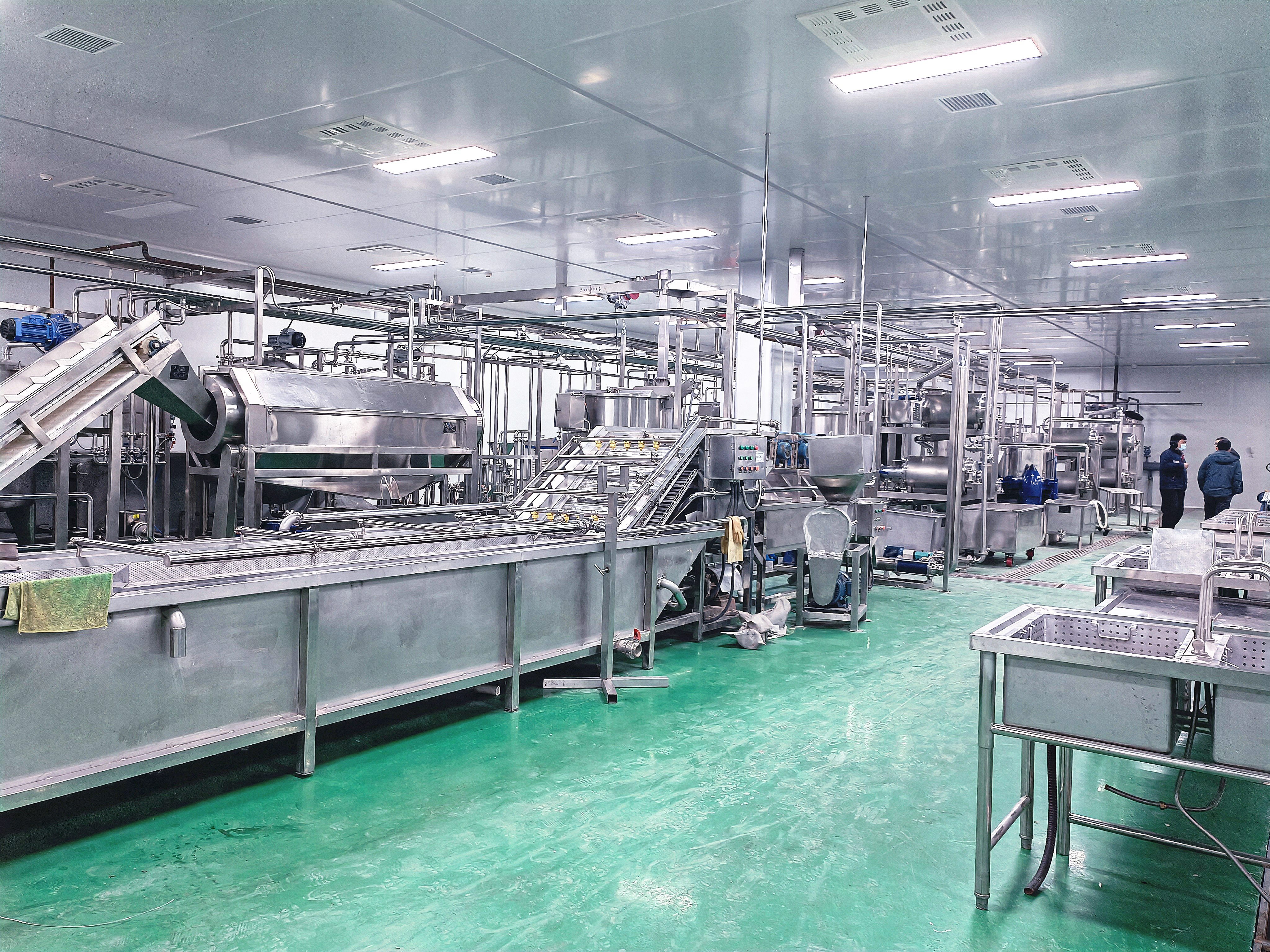
Utility problems often appear during installation because the factory and equipment supplier did not confirm detailed requirements early enough.
| Mistake | Possible Result |
|---|---|
| Only planning space for machines | Utility connection points may not match layout |
| Ignoring water pressure | Rinsing, mixing or CIP may become unstable |
| Underestimating power load | Machine trips or production interruption may occur |
| Missing steam source | Heating, sterilization or CIP cannot run properly |
| Using wet compressed air | Pneumatic valves may fail or act unstably |
| Ignoring cooling demand | Product temperature may be hard to control |
| Poor drainage planning | Hygiene risk and floor water accumulation may occur |
| Forgetting CO2 supply | Carbonated drink production cannot run normally |
| No utility reserve | Future expansion becomes difficult |
| No installation checklist | Commissioning time may become longer |
These mistakes can be avoided if utility planning is included before equipment manufacturing and installation.
| Utility Problem | Possible Impact |
|---|---|
| Low water pressure | Unstable rinsing, mixing or CIP |
| Insufficient power capacity | Machine trips or production interruption |
| Unstable steam supply | Poor heating or sterilization consistency |
| Wet compressed air | Valve failure or pneumatic instability |
| Insufficient cooling | Product temperature cannot be controlled |
| Poor drainage | Hygiene risk and workshop water accumulation |
| Weak CO2 supply | Unstable carbonation level |
| Poor CIP support | Cleaning time increases or hygiene risk rises |
| Wrong connection point | Longer pipework and installation changes |
| No expansion reserve | Future production line upgrade becomes harder |
Utility problems affect more than installation. They can affect capacity, hygiene, safety and long-term operating stability.
Before equipment arrives, buyers should check whether the factory utilities are ready.
| Item | What to Prepare |
|---|---|
| Factory voltage | Voltage, phase and frequency |
| Available power | Total load capacity and backup plan |
| Water source | Flow rate, pressure and water quality |
| Steam source | Boiler capacity, pressure and temperature |
| Compressed air | Pressure, flow rate and air treatment |
| Drainage system | Drain route, slope and wastewater handling |
| Cooling system | Cooling water or chilled water conditions |
| CO2 system | Required for carbonated beverages |
| Utility connection points | Distance from equipment layout |
| Expansion plan | Reserve capacity for future equipment |
| Floor condition | Drainage slope, load capacity and cleaning access |
| Workshop environment | Ventilation, humidity and hygiene zoning |
This checklist helps reduce installation delays and commissioning problems.
A supplier cannot design accurate utility requirements without project information. Buyers should provide process and factory details early.
| Information to Provide | Why Supplier Needs It |
|---|---|
| Beverage type | Determines processing and utility demand |
| Capacity target | Helps calculate water, power, air and steam load |
| Bottle size | Affects filling, rinsing and packaging utilities |
| Process flow | Determines which utilities are required |
| Factory layout | Helps plan connection points and pipelines |
| Local voltage | Ensures electrical compatibility |
| Water quality | Determines treatment requirements |
| Heating method | Determines steam, hot water or electric heating |
| Automation level | Affects power and compressed air demand |
| Expansion plan | Helps reserve utility capacity |
| Packaging format | Affects compressed air, power and layout |
| Cleaning plan | Determines CIP water, heat and drainage requirements |
The more detailed the information, the more accurate the Beverage Production Line utility plan can be.
Good utility planning helps the beverage factory run more smoothly after installation.
It can support:
stable filling speed;
better cleaning efficiency;
shorter commissioning time;
fewer production interruptions;
more consistent sterilization;
safer workshop operation;
smoother product changeover;
lower installation modification risk;
easier equipment maintenance;
future expansion planning.
Utilities should be treated as part of the production line system. They are not separate background conditions.
WEISHU provides beverage production equipment and turnkey project support for different beverage types, process flows and capacity targets. For new factory projects, utility planning should be reviewed together with equipment selection.
WEISHU can help evaluate:
beverage type;
target capacity;
process flow;
bottle size;
packaging format;
water supply;
power capacity;
steam or hot water demand;
compressed air condition;
cooling requirement;
drainage route;
CIP cleaning support;
CO2 supply;
factory layout;
installation readiness;
future expansion plan.
A suitable utility plan helps the Beverage Production Line install more smoothly, start production more reliably and support stable long-term operation.
A Beverage Production Line needs more than processing and filling equipment. It also needs properly planned utilities, including water supply, electrical power, steam or hot water, compressed air, cooling water, drainage, wastewater handling, CIP cleaning support and, for carbonated drinks, CO2 supply.
Each utility affects a different part of production. Water supports product preparation, rinsing and cleaning. Power drives pumps, motors, conveyors and control systems. Steam and hot water support heating, sterilization and CIP. Compressed air supports pneumatic movement. Cooling utilities help control temperature. Drainage protects hygiene and workshop safety.
Utility requirements depend on beverage type, capacity, process flow, automation level and factory layout. Buyers should confirm these details before equipment installation to avoid commissioning delays and production instability.
Need help checking whether your factory utilities are ready? Contact WEISHU for beverage production line utility planning based on your beverage type, target capacity, water supply, power capacity, compressed air, steam, cooling, drainage and factory layout.
A Beverage Production Line usually needs water supply, electrical power, steam or hot water, compressed air, cooling water, drainage, wastewater handling, CIP cleaning support and sometimes CO2 supply.
Water is used for product preparation, rinsing, mixing, cleaning, CIP, cooling and sometimes boiler makeup. Stable water pressure and quality are important for production and hygiene.
Buyers should provide voltage, phase, frequency, available power capacity, control cabinet location and local electrical standards before equipment design and installation.
No. Steam or hot water is mainly needed for heating, pasteurization, UHT sterilization, hot filling, tank heating and CIP. The requirement depends on beverage type and process flow.
Compressed air is used for pneumatic valves, filling machine actuators, capping systems, packaging machines and control components. It should be stable, dry and clean.
Carbonated drink production usually needs water, electrical power, compressed air, cooling water, CIP support, drainage and stable CO2 supply.
Drainage removes rinsing water, cleaning water, CIP discharge, filter flushing and floor washing water. Poor drainage can cause hygiene risks and installation problems.
CIP cleaning may require clean water, hot water, steam or electric heating, cleaning chemicals, pumps, return pipelines, drainage and temperature control.
Utility planning should begin before equipment installation. Ideally, it should be reviewed during project design, equipment selection and factory layout planning.
Yes. WEISHU can help review utility requirements based on beverage type, capacity target, process flow, factory layout, water supply, power capacity, steam, compressed air, cooling and drainage conditions.