Call Us
+86-15800763021
Send Us
Add
775 Chihua Road, Zhelin Town, Fengxian District, Shanghai
- All
- Product Name
- Product Keyword
- Product Model
- Product Summary
- Product Description
- Multi Field Search
Views: 0 Author: Site Editor Publish Time: 2026-10-08 Origin: Site

Investing in dairy processing infrastructure is a massive capital expenditure. The stakes are incredibly high across the factory floor. Unexpected equipment failures quickly lead to raw product spoilage. Devastating safety recalls follow. Crippling financial losses become inevitable. With countless suppliers crowding the global market, buyers frequently struggle to separate standard vendors from true industry partners. How exactly do you evaluate a supplier when it comes down to the final decision stage?
A reliable partner must prove their engineering competence across several critical areas. This ranges from strict sanitary design and holistic project management to unwavering after-sales support. Recent shifts in the global dairy sector reveal a distinct tightening of food safety mandates, alongside a massive spike in energy costs. Regulatory bodies now demand absolute traceability. Simultaneously, plant managers face the reality of processing both traditional bovine milk and highly viscous plant-based alternatives on the exact same line. This dual pressure of compliance and flexibility means the equipment you buy today must handle tomorrow's unpredictable market shifts. Plant managers are applying unprecedented scrutiny during the procurement phase. This comprehensive guide walks you through the exact checklist of empirical proofs you must demand from a manufacturer before signing any contract. Thorough evaluation ensures your investment yields maximum returns and operational peace of mind.
The physical materials used to construct your production line serve as the very first indicator of a manufacturer's underlying quality. Dairy products are notoriously susceptible to microbial contamination. Consequently, the construction of the processing infrastructure must leave absolutely no microscopic crevices for bacterial harboring or material degradation.
Look closely at a routine cleaning cycle in a modern facility. When operators initiate a Clean-In-Place protocol, aggressive chemicals like sodium hydroxide and nitric acid flood the pipelines at temperatures exceeding 80 degrees Celsius. Standard metals simply buckle under this daily chemical assault. A qualified Dairy Processing Equipment Manufacturer must provide comprehensive Material Test Reports proving the exclusive use of high-quality austenitic stainless steel.
For general structural frames, 304 stainless steel is typically acceptable. However, for any surfaces making direct contact with the product, 316L stainless steel remains the non-negotiable industry standard. The L designation denotes a low carbon content. This actively prevents carbide precipitation during the welding process. Meanwhile, the addition of molybdenum provides superior resistance to the pitting and crevice corrosion often caused by chloride-rich environments. Suppliers must verify that internal surface finishes meet strict sanitary requirements. This typically demands a roughness average of less than 0.8 micrometers to guarantee effective sanitation.
Verbal assurances of hygiene carry zero weight on the factory floor. The manufacturer must prove their compliance on paper. Buyers should rigorously demand current, verifiable certificates from recognized regulatory and engineering bodies. Key credentials include the 3-A Sanitary Standards and European Hygienic Engineering and Design Group guidelines. These documents prove the equipment features fully drainable surfaces, dead-leg-free piping architectures, and flawlessly executed sanitary welds.
A manufacturer's true engineering competence is tested by their ability to design the core machinery responsible for the actual thermal and mechanical treatment of the fluid. Theoretical blueprints must translate seamlessly into precise, heavy-duty machinery capable of running continuously under pressure.
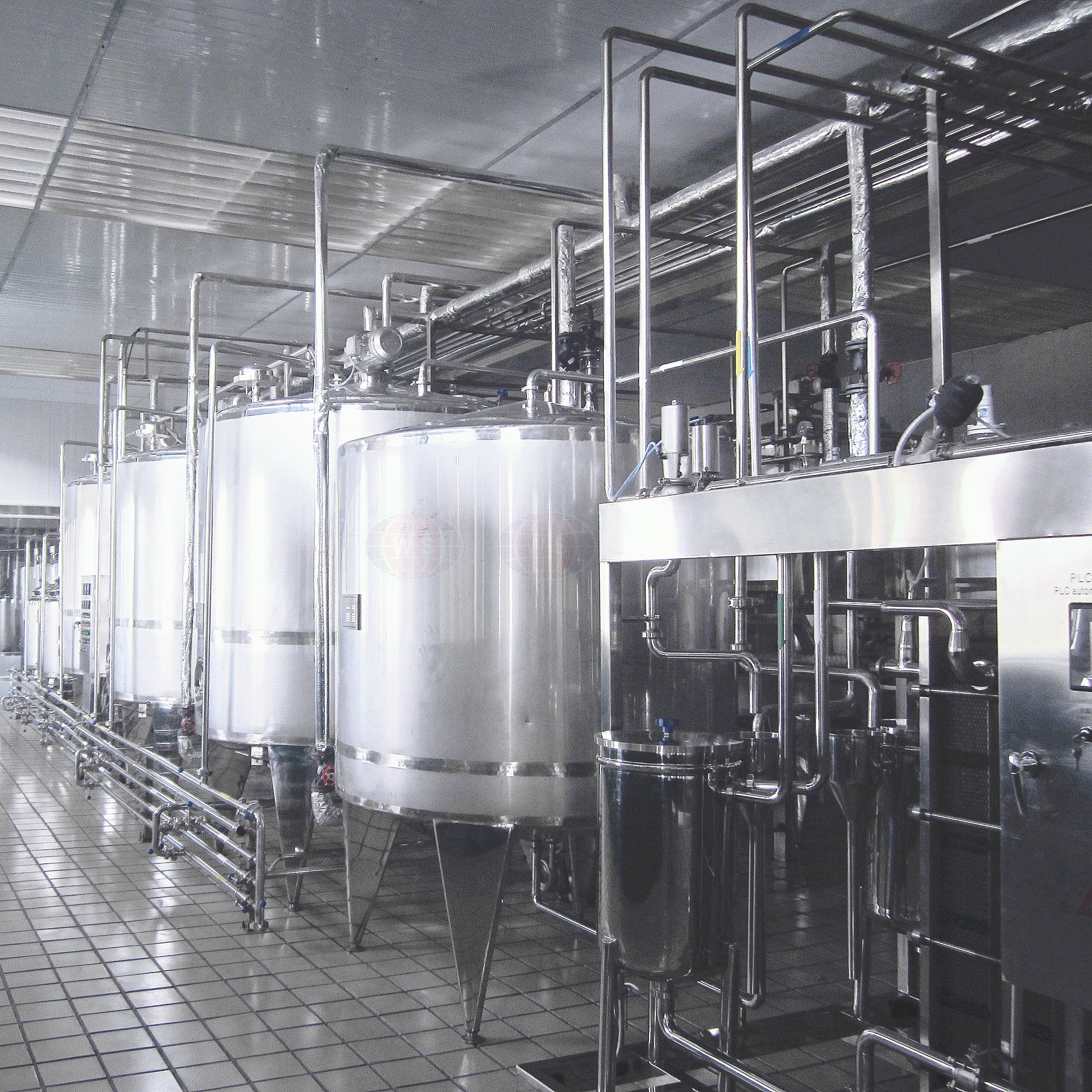
The Milk Pasteurizer acts as the beating heart of any dairy facility. Its primary function is to entirely eliminate pathogenic microorganisms while carefully preserving the delicate nutritional and sensory qualities of the raw milk. A reputable supplier must prove that their pasteurization units guarantee razor-sharp temperature control. Based on frontline engineering standards, a high-quality unit should offer processing capacities ranging seamlessly from 500 liters per hour for boutique operations up to 10,000 liters per hour for industrial scales.
For standard High-Temperature Short-Time pasteurization, the system must consistently hold the liquid at exactly 72 degrees Celsius for precisely 15 seconds. High-end systems utilize PID temperature controllers to maintain accuracy within a margin of 0.5 degrees. If the temperature drops by even a fraction of a degree inside the holding tube, the flow diversion valve must instantaneously trigger. This diverts the under-processed liquid back to the balance tank. Requesting proof of this automated fail-safe mechanism's response time is a mandatory step during the vendor evaluation phase.
Processing fluid milk is not a sequence of isolated events. It is a continuous, highly synchronized flow. Once the product safely exits the holding tube, it must be rapidly cooled to below 4 degrees Celsius. This arrests any surviving spore-forming bacteria and maximizes shelf life. This critical phase is typically achieved through the regeneration and cooling sections of a plate heat exchanger. The manufacturer should supply thermal dynamic calculations proving their systems can handle these extreme temperature differentials. Poorly designed systems induce pressure drops, unwanted foaming, or shear stress to fragile milk fat globules.
Procuring individual tanks, pumps, and valves from a dozen different vendors frequently leads to catastrophic integration failures. Software communication errors arise. Massive project delays follow. Engaging a partner capable of delivering holistic, end-to-end solutions effectively neutralizes these operational risks.
A genuine Turnkey Dairy project encompasses vastly more than just welding stainless steel vessels. The supplier must prove their deep competence in comprehensive plant engineering. Buyers should review evidence of the manufacturer's capability in generating accurate three-dimensional plant layout designs, detailed Piping and Instrumentation Diagrams, and complex utility matrix sizing. This matrix calculates the exact facility requirements for boiler steam, chilled water, and compressed air. They must demonstrate mastery in electrical automation. Proving they can program the PLCs and SCADA systems allows a single operator to monitor the entire plant from a centralized control room.
| Evaluation Criteria | Standard Vendor | True Industry Partner |
|---|---|---|
| Material Grade | Mixed 304 and 201 stainless steel; poor weld finishing. | Strict 316L for product contact surfaces; sanitary welds below 0.8 micrometers roughness. |
| Thermal Efficiency | Basic heating with high steam consumption. | Advanced plate heat exchangers with up to 90-95% regenerative heat recovery. |
| Turnkey Capability | Supplies isolated machines; leaves pipe integration to the buyer. | Delivers 3D layouts, utility matrix sizing, and full PLC/SCADA automation. |
| Testing Protocols | Visual inspection before shipping. | Rigorous Factory Acceptance Testing including hydrostatic pressure and software dry-runs. |
Skyrocketing energy costs and aggressive corporate sustainability goals mean utility consumption is no longer an afterthought. Assets must operate with maximum resource efficiency. High utility draw directly cannibalizes profit margins.
Thermal processing is inherently energy-intensive. Leading manufacturers should provide technical data sheets proving the regenerative efficiency of their heat exchange systems. A meticulously designed pasteurizer achieves up to 95 percent heat recovery by utilizing the hot, pasteurized milk to pre-heat the incoming cold raw milk. This ingenious thermal loop drastically reduces the daily demand placed on the facility's boiler and chiller systems.
Water conservation holds equal importance during intensive sanitation cycles. The vendor should prove that their automated Clean-In-Place systems incorporate chemical recovery tanks and intelligent water-saving rinse protocols. Advanced conductivity sensors allow the system to accurately distinguish between pure water and cleaning solutions. This safely captures the final rinse water to be reused as the pre-rinse for the subsequent cycle.
Theoretical engineering specifications and glossy sales brochures must ultimately survive the harsh realities of a factory floor. Buyers must push past marketing jargon. Demand verifiable, empirical proof of the manufacturer’s performance in real-world environments.
Before a single piece of steel is loaded onto a shipping container, the manufacturer must prove it actually works. Factory Acceptance Testing stands as a critical milestone. The manufacturer should provide a standardized testing protocol document outlining exactly how the equipment will be stressed at their fabrication facility. This rigorous process includes hydrostatic pressure testing of holding tanks and dye penetrant inspection of critical welds. Dry-run simulations of the automation software ensure all valves and sensors communicate flawlessly with the main PLC.
The final decision stage often hinges heavily on what happens long after the equipment is bolted to your floor. The true value of Dairy Plant Equipment is proven during its operational lifecycle. Processing is a continuous, high-volume endeavor. Unexpected downtime translates immediately to missed distribution schedules and lost revenue.
Mechanical wear and tear is inevitable in environments subjected to high pressures and corrosive cleaning agents. A reliable partner must prove they possess a robust, globally accessible supply chain for essential replacement parts. Scrutinize the vendor's inventory strategy. Do they utilize standardized, commercially available components? Or do they trap clients into buying proprietary parts with agonizingly long lead times? Clear Service Level Agreements outlining guaranteed emergency response times are an absolute must.
Even the most sophisticated automated systems are only as effective as the personnel running them. Human error remains a leading cause of product loss in food processing facilities. The manufacturer must provide documented proof of structured, comprehensive training programs designed specifically for your operators and maintenance staff. This curriculum covers executing cleaning protocols, understanding alarm codes, and performing routine preventative maintenance. This ensures your workforce is fully equipped to maximize Overall Equipment Effectiveness.
A facility designed strictly for today’s production volumes may find itself obsolete within a decade. A superior manufacturer acts as a long-term strategic partner. They design scalable systems that grow alongside your business.
Capital expenditure optimization is a primary concern for plant managers. Purchasing a massive, high-capacity system upfront to accommodate theoretical future demand often results in wasted energy and poor short-term efficiency. The optimal solution lies in modular design. Buyers should demand proof that the Milk Processing Machine is built on adaptable skids. If a facility currently processes 2,000 liters per hour but anticipates scaling to 5,000 liters in five years, the framework should be engineered to accept additional heat exchanger plates and larger holding tubes. This prevents a total system overhaul.
Choosing the right supplier demands rigorous, methodical evaluation. You must look far beyond the initial price tag and verify engineering standards through hard data. A trusted, proven partner ensures your facility remains profitable, safe, and compliant for decades to come. By demanding concrete evidence of sanitary compliance, holistic turnkey capabilities, and unwavering post-sale support, you effectively protect your capital investment. Are you ready to upgrade your facility? Explore customizable, high-efficiency solutions and secure your future production capacity with systems trusted by industry leaders worldwide. Find the exact matching production lines and turnkey solutions tailored to your operational needs at wfoodmachinery.com today.
While multiple certifications hold immense value, the most critical are the 3-A Sanitary Standards and European Hygienic Engineering and Design Group certifications. These specific credentials prove that the manufacturer adheres to the strictest global protocols for hygienic equipment design. They ensure that the machinery features appropriate surface finishes, eliminates dead legs where bacterial biofilms can accumulate, and allows for completely effective cleaning procedures. ISO 9001 certification demonstrates the manufacturer maintains a rigorous, documented quality management system throughout their fabrication process.
Evaluating a supplier for a comprehensive project requires looking beyond their marketing materials and demanding in-depth project documentation. A reliable provider acts as a single point of responsibility. This eliminates the risk of integration failures. You should request a portfolio of successfully commissioned plants of a similar scale. Demand to see examples of their preliminary engineering work, including detailed three-dimensional plant layouts, utility consumption matrices, and Piping and Instrumentation Diagrams. Verify their Factory Acceptance Testing protocols to ensure rigorous quality control before handover.
The operational environment within a processing plant is exceptionally harsh. Milk naturally contains lactic acid, which can be mildly corrosive over time. Daily sanitation protocols require the high-temperature circulation of highly aggressive chemicals. If a machine is constructed from inferior metals, it will rapidly suffer from pitting, rust, and corrosion. This degrades the machinery and creates microscopic crevices where dangerous pathogens like Listeria or Salmonella breed. Verifying the use of high-grade, non-corrosive materials such as 316L stainless steel is paramount.
The pasteurizer is the ultimate safety and efficiency checkpoint in your facility. Look for proven, highly precise temperature automation to guarantee consistent pathogen elimination without causing thermal degradation to the product's flavor profile. Evaluate the system's thermal efficiency. A high-quality unit features a regenerative heating section capable of recovering up to 95 percent of the thermal energy. Ensure the system includes fully certified fail-safes, such as highly responsive flow diversion valves that automatically redirect under-processed liquid back to the balance tank.
After-sales support is just as important as the initial hardware purchase. Processing facilities operate on incredibly tight margins and strict delivery schedules. Any unplanned downtime results in immediate financial losses through spoiled raw materials. A manufacturer must prove they offer a comprehensive support ecosystem. This includes guaranteed rapid-response technical support for remote software diagnostics, a reliable global supply chain for critical spare parts, and routine preventative maintenance services. Evaluating their post-sale Service Level Agreements ensures your investment maintains high operational efficiency throughout its lifecycle.
The physical footprint of a small-scale production line depends heavily on the chosen processing capacity and packaging format. A compact, skid-mounted line processing 500 to 1,000 liters per hour typically requires a minimum of 50 to 80 square meters of dedicated processing space. This does not include areas needed for raw milk reception, cold storage, utility rooms for boilers and chillers, or administrative offices. True industry partners will provide precise three-dimensional layout drawings during the consultation phase to ensure the equipment fits seamlessly within your existing facility constraints.
High-quality commercial processing machinery constructed from 304 and 316L stainless steel can operate efficiently for 15 to 25 years, provided it receives proper maintenance. The longevity of the equipment relies heavily on strict adherence to daily cleaning protocols and routine preventative maintenance. While the heavy stainless steel vessels and structural frames last decades, wearable components like pump seals, valve gaskets, and heat exchanger gaskets require regular replacement every one to two years to maintain sanitary compliance and prevent pressure leaks.