Call Us
+86-15800763021
Send Us
Add
775 Chihua Road, Zhelin Town, Fengxian District, Shanghai
- All
- Product Name
- Product Keyword
- Product Model
- Product Summary
- Product Description
- Multi Field Search
Views: 0 Author: Site Editor Publish Time: 2026-11-16 Origin: Site

Volumetric recovery dictates long-term profitability in commercial beverage manufacturing. A marginal one percent drop in overall yield bleeds thousands of dollars in lost annual revenue for a medium-to-large facility. Are you unknowingly suffering from this invisible product loss day after day? This chronic inefficiency usually stems from aging processing machinery. It can also result from suboptimal mechanical squeezing techniques or poor raw material handling protocols. These outdated methods physically damage the fruit before it ever reaches the mill.
Fortunately, this fluid loss is entirely preventable. Modernizing specific, high-impact stages of your facility allows you to systematically maximize fluid output. You can achieve this without compromising the nutritional integrity, vibrant color, or fresh flavor profile of the final beverage. This comprehensive guide breaks down the exact operational factors, biochemical processes, and industrial equipment configurations that dictate your final production numbers.
Global agricultural commodity prices are currently experiencing unprecedented volatility. Consequently, facility operators are pivoting their capital expenditures. The focus has decisively shifted from pure capacity expansion toward rigorous yield optimization. Recent industry analysis highlights a growing reliance on smart sensor networks and predictive analytics. Plant managers now demand advanced fluid recovery systems to squeeze every last drop of value from costly raw materials. This operational pivot makes modernizing your processing line a critical survival strategy rather than a mere optional upgrade.
Optimizing production efficiency begins long before the fruit hits the crushing blades. Step onto the receiving bay of any bustling plant. You will quickly notice that the physical and biochemical state of arriving raw materials dictates the absolute theoretical maximum volume. Pre-processing handling determines how much of that potential your plant actually preserves.
Fruit biochemical composition changes dynamically during ripening. This physiological state directly impacts extraction efficiency. Consider the pectin-to-juice ratio. Under-ripe fruits contain high levels of insoluble protopectin. This substance firmly binds cellular walls together and severely restricts liquid release. Squeezing under-ripe apples routinely yields a frustratingly dry pomace.
In contrast, over-ripe fruits appear juicier but suffer from structural tissue breakdown. This breakdown creates excessive suspended solids such as pulp. These solids turn into a thick puree during milling, blinding press filters and complicating downstream filtration. Processing fruits at their optimal maturity stage ensures the cellular matrix is perfectly primed for mechanical liquid release. Operators routinely measure this using precise Brix sugar content levels and penetrometer firmness testing.
Incoming batches require meticulous cleaning and sorting before extraction. Manual sorting remains notoriously prone to human error. Workers accidentally dispose of usable fruit or miss rotten items. A single moldy peach introduces high biological loads. This contamination can force the rejection of an entire processed batch. Modern facilities deploy automated optical sorters equipped with near-infrared cameras. These machines identify and eject defective fruits with pinpoint accuracy. Furthermore, efficient hydrodynamic washing systems prevent bruising. Gentle flume washers utilize controlled water agitation to remove field debris. Aggressive washing systems induce premature juice leakage, effectively washing profits down the facility drain.
The primary extraction phase acts as the central bottleneck for raw liquid volume. Operating an inefficient press is akin to lightly squeezing a wet sponge. Profitable liquid remains permanently trapped inside the waste material.
Different fruits demand distinct pressing mechanics. Traditional mechanical presses apply uneven, harsh pressure. They boast high throughput but frequently leave valuable moisture in the pomace. Excessive mechanical force also crushes seeds and skins. This action releases bitter compounds that degrade the sensory quality of the entire batch.
Advanced pneumatic membrane presses utilize compressed air to inflate a flexible membrane inside a rotating cylinder. Imagine a gentle, uniform squeeze pushing the fruit mash against a perforated stainless-steel screen. This highly controlled pressure maximizes liquid output without compromising seed integrity. Upgrading to a modern Extraction Press serves as the most immediate intervention a plant manager can make to increase raw volumetric recovery.
Fruit must be milled to the correct particle size to extract maximum liquid. A coarse mash prevents the press from accessing internal cellular moisture. A fine mash creates an impermeable paste that blocks drainage channels. Advanced facilities treat the fruit mash prior to extraction. They add sterilized press aids to create internal drainage pathways within the mash cake. Implementing a multi-stage secondary pressing system systematically extracts residual moisture. Modern systems hydrate and press the re-milled primary pomace a second time. This technique pushes the pomace moisture content to its absolute physical limit.
Mechanical force alone cannot extract all moisture from fruit cells. A significant portion of the liquid remains bound at a microscopic level. Sophisticated biochemical intervention addresses this invisible loss.
Complex polysaccharides known as pectins cement fruit cell walls together. These pectins act like a biological sponge during milling. They trap water molecules and drastically increase mash viscosity. This creates a cloudy beverage and stubbornly holds back substantial liquid volume in the solid waste.
The science of Enzymatic Clarification solves this dilemma. Manufacturers introduce specific pectinase enzymes to chemically hydrolyze these rigid structures into smaller, soluble molecules. This biochemical reaction thins out the mash and releases trapped water. Empirical plant data demonstrates that proper enzymatic intervention consistently boosts overall liquid recovery by ten to fifteen percent compared to mechanical pressing alone.
Enzymes function as highly sensitive biological catalysts. Their effectiveness relies entirely on precise environmental conditions. Cold mash keeps enzymes dormant, creating massive production bottlenecks. High temperatures denature the proteins and render them permanently inactive. Modern production systems automate temperature parameters and resting durations. Automated heat exchangers maintain the mash between 45 degrees Celsius and 55 degrees Celsius. This granular control ensures maximum pectin breakdown without disrupting the continuous production schedule.
Extracted and clarified liquid requires thermal stabilization for safe consumption. Thermal processing eliminates pathogens but easily becomes a primary site for invisible yield loss if executed poorly.
Traditional batch pasteurization heats large liquid volumes in open vats for extended periods. This slow heating and cooling cycle presents severe operational flaws. Prolonged thermal exposure leads to significant water evaporation. Operators literally watch their product volume vanish into thin air. Slow heating also causes thermal degradation, caramelizing natural sugars and destroying volatile aromatic compounds.
Transitioning to advanced thermal technology eliminates this massive inefficiency. A modern Flash Pasteurizer operates on High-Temperature Short-Time principles. The liquid pumps through a highly efficient closed-loop plate heat exchanger. The system rapidly raises the temperature to sterilization levels for a mere 15 to 30 seconds before immediate cooling. The completely sealed and pressurized system makes volumetric loss through evaporation physically impossible. The exact volume entering the heating matrix perfectly matches the volume exiting the system. This rapid thermal cycle preserves natural color, nutritional profile, and fresh flavor.
Visible product loss most commonly occurs during the final packaging stage. Successfully extracting, clarifying, and pasteurizing a premium beverage only to lose it to mechanical drift is economically devastating.
Outdated filling machines suffer from mechanical inconsistencies. A misaligned nozzle or a delayed shut-off valve dripping just five milliliters of extra liquid per bottle translates to hundreds of liters lost per shift. Operators frequently calibrate old machines to overfill slightly to avoid regulatory fines for underfilling. This practice silently drains profitability.
An advanced Aseptic Filler eradicates these mechanical inefficiencies. These machines utilize highly accurate Coriolis mass flow meters combined with automated, non-contact dosing valves. They dispense the exact requested volume every single time. Automated valves shut off instantly, ensuring perfectly filled containers and eliminating physical spillage on conveyor belts.
Yield protection includes preventing post-production spoilage. Fermented product represents a total financial loss. Aseptic technology sterilizes both the packaging material and the filling environment. Packaging the liquid in this sterile zone ensures zero airborne bacteria enter the product. This guarantees a sterile seal, drastically reduces batch rejection rates, and extends ambient shelf life.
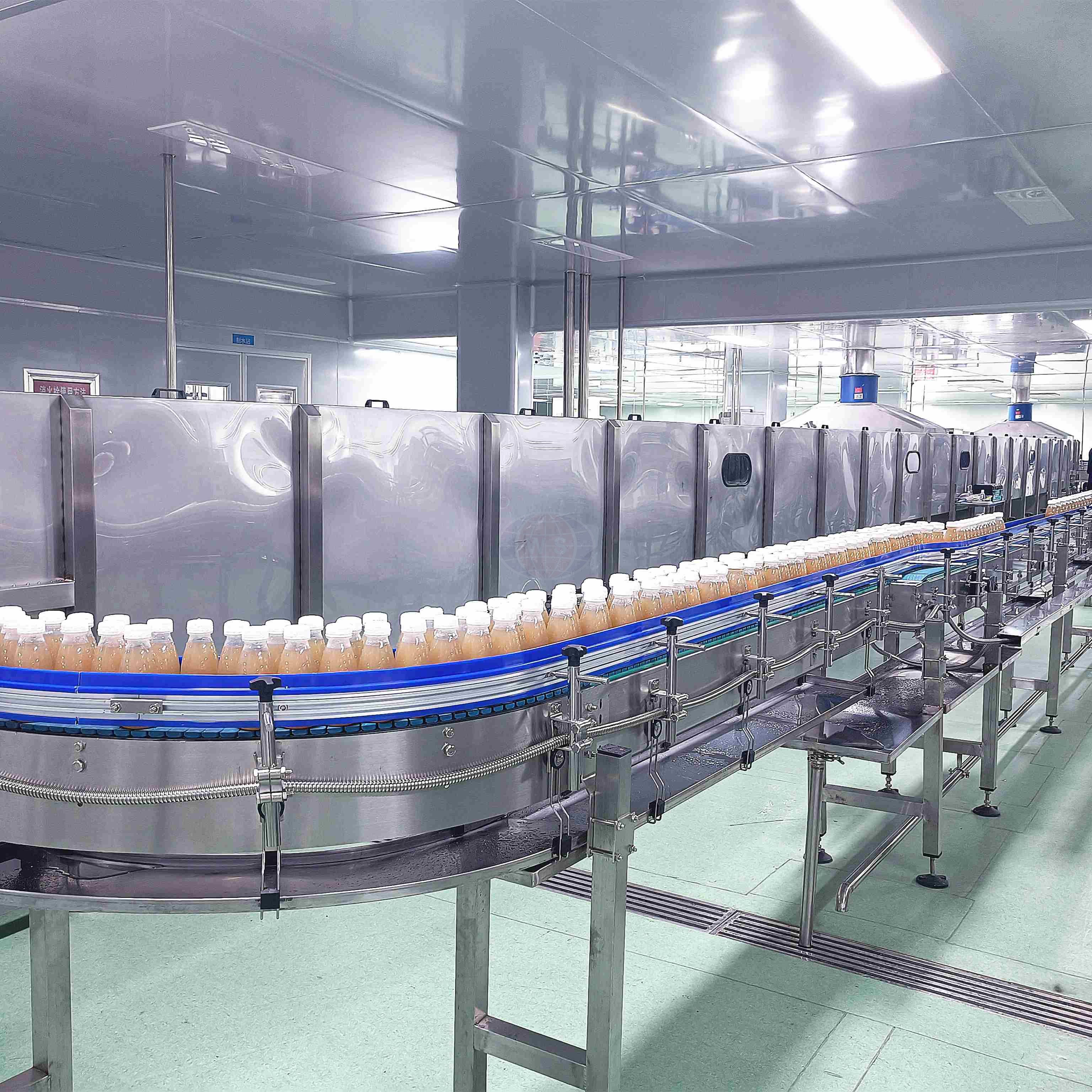
Operating a fully integrated Fruit Juice Line enables sophisticated automation and continuous monitoring. Advanced Programmable Logic Controller systems track the exact weight of raw materials entering the facility via load cells. The system compares this data against the volumetric output at the packaging stage. This continuous stream provides an accurate, minute-by-minute calculation of overall efficiency. It entirely replaces outdated end-of-shift estimations.
Identifying the exact source of a leak is critical when output drops unexpectedly. Integrated sensor networks deployed throughout the processing line instantly detect anomalies. These sensors pinpoint the exact bottleneck, whether it is a subtle pressure drop in the extraction machinery, a degrading pump seal, or thermal inefficiency in the heat exchangers. Operators receive automated dashboard alerts. Maintenance teams can make instant mechanical adjustments to halt product loss immediately.
Achieving maximum output requires strategic capital investment. The source and engineering of your equipment serve as a foundational business decision. Purchasing generic, off-the-shelf processing setups often leads to compromised efficiency. The cellular structure of a thick mango puree behaves entirely differently under pressure than the thin matrix of a clarified apple.
Below is a technical comparison highlighting how purpose-built configurations outperform standard setups:
| Processing Stage | Standard Equipment | Advanced Configuration | Yield Impact |
|---|---|---|---|
| Milling & Extraction | Fixed-speed crusher with mechanical press | Variable frequency drive crusher with pneumatic membrane press | Increases liquid recovery by 10 to 15 percent |
| Material Construction | Carbon steel or mixed alloys | Full SUS304 or SUS316L food-grade stainless steel | Prevents corrosion-related batch rejection |
| Pasteurization | Open vat batch heating | Closed-loop High-Temperature Short-Time plate heat exchanger | Eliminates evaporation volume loss entirely |
| System Capacity & Control | Manual valve operation, fixed 1 Ton per Hour | Fully automated Programmable Logic Controller system, scalable 1 to 20 Tons per Hour | Provides real-time bottleneck detection and zero spillage |
Upgrading industrial machinery represents a substantial capital expenditure. However, you must view it through the lens of Return on Investment. Investing in durable, high-efficiency equipment from reliable manufacturers pays for itself rapidly. The combination of increased daily volumetric output, reduced material waste, and minimized maintenance downtime accelerates the payback period.
Maximizing volumetric yield relies on the harmonious integration of high-quality raw materials, powerful extraction presses, precise enzymatic treatments, safe flash pasteurizers, and highly accurate aseptic fillers. Every drop saved at each processing stage compounds into massive financial gains by the end of the fiscal year.
Holding onto outdated, inefficient machinery acts as a silent drain on your revenue. Upgrading your processing components is a direct investment in profitability, not merely an operational expense. We highly encourage plant managers to rigorously evaluate current setups and identify hidden bottlenecks. To unlock your facility's maximum profit potential, explore advanced, custom-built processing solutions designed for your specific production capacity.
The optimal recovery percentage varies significantly depending on the specific fruit being processed and its physiological state. Generally, a highly efficient, modern system can achieve a 65 to 80 percent fluid output for hard fruits like apples and pears. For citrus fruits, advanced extraction equipment typically yields between 50 and 60 percent. Achieving these upper-tier industry benchmarks requires perfectly calibrated machinery and optimal raw material conditions.
The extraction press serves as the primary mechanical gateway that dictates the baseline volume of your entire operation. An inefficient press fails to apply uniform pressure, leaving highly profitable liquid trapped within the discarded waste pomace. Upgrading to a modern pneumatic press ensures maximum mechanical squeezing without crushing seeds or extracting bitter compounds. This directly increases your total fluid volume while preserving premium sensory quality.
Enzymatic clarification is essential because mechanical pressing alone cannot physically extract all cellular liquids. Natural pectins act as rigid binding agents, trapping water inside the microscopic fruit structure. Introducing specific enzymes chemically breaks down these cellular walls, thinning the mash and maximizing extraction. This biochemical step can release up to 15 percent more liquid than standard mechanical pressing alone.
Yes, upgrading to an aseptic filler directly saves money by drastically reducing product rejection rates and preventing physical spillage. It eliminates biological spoilage by sterilizing the packaging environment and prevents liquid waste during the final bottling phase through pinpoint volumetric control. This precision ensures that every processed drop is safely packaged and sold, significantly improving your overall profit margins.
The Return on Investment timeline depends heavily on your daily production volume and the measurable increase in your recovery percentage. However, due to significant reductions in raw material waste, lower energy consumption, and a daily increase in sellable output, facilities often realize a full return within 12 to 24 months of installation.
The most common cause of yield loss is outdated extraction and pressing machinery. Aging equipment fails to apply consistent, uniform pressure across the fruit mash. This leaves a massive amount of valuable liquid trapped inside the discarded solid waste. Secondary causes include evaporation during open-vat pasteurization and mechanical spillage on the filling line.
Raw material temperature plays a critical role in fluid recovery, particularly during the enzymatic clarification phase. If the fruit mash is too cold, extraction enzymes remain dormant and fail to break down cell walls. If the temperature is too high, it permanently destroys the enzymes. Maintaining an optimal temperature range of 45 to 55 degrees Celsius ensures maximum cellular breakdown and peak liquid release.