
Call Us
+86-15800763021
Send Us
Add
775 Chihua Road, Zhelin Town, Fengxian District, Shanghai
- All
- Product Name
- Product Keyword
- Product Model
- Product Summary
- Product Description
- Multi Field Search
Views: 0 Author: Site Editor Publish Time: 2026-04-24 Origin: Site
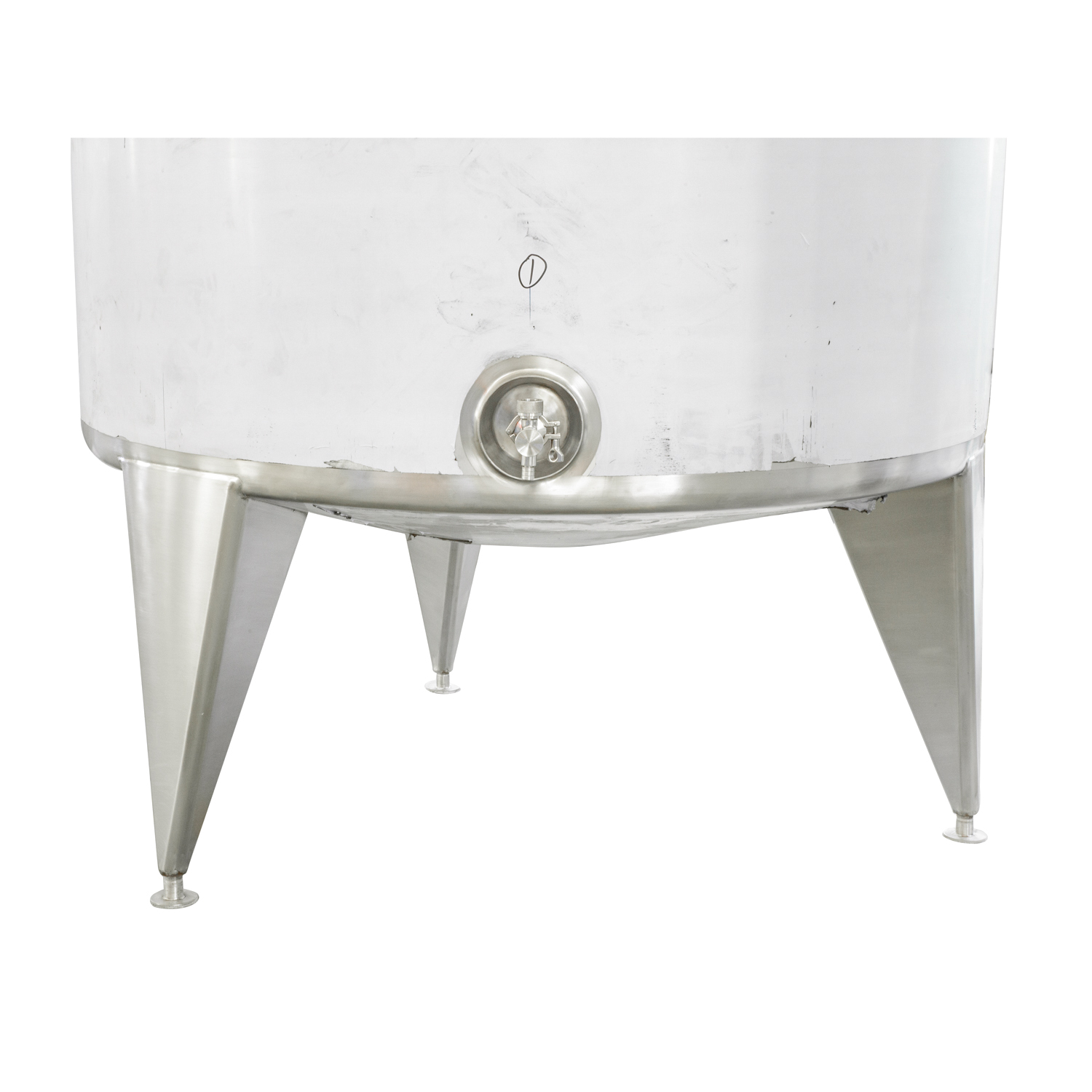
System specifiers and homeowners face a critical bottom-of-funnel dilemma. You must balance upfront capital costs against long-term maintenance liabilities. The choice between a glass-lined model and a stainless steel tank hot water heater is rarely about finding an absolute "best overall" product. Instead, it requires identifying the perfect fit. You have to evaluate local water chemistry carefully. You must consider system operating temperatures. You also need to define your ongoing maintenance appetite realistically.
This guide deliberately bypasses standard marketing claims. We focus strictly on engineering realities. We will evaluate structural integrity across different environments. We analyze vulnerability to chlorides. We examine thermal shock resistance. Finally, we explore lifecycle capital expenses. By the end of this guide, you will understand exactly which vessel architecture aligns with your specific plumbing infrastructure and local water conditions.
Water Chemistry Dictates Choice: Stainless steel is the premium choice for clean/soft water, but total dissolved solids (TDS) exceeding 600 ppm or high chloride levels usually require a glass-lined tank to prevent stress corrosion cracking.
The Maintenance Trade-off: Glass-lined tanks have a lower initial cost but rely on sacrificial anode rods that require routine inspection and replacement.
High-Temperature Compatibility: Heat pump and solar hot water systems (often exceeding 70°C / 158°F) pair optimally with stainless steel, as extreme temperatures can degrade standard glass enamel and cause thermal shock.
Manufacturing Quality Matters: The longevity of a stainless tank relies heavily on the grade of steel (e.g., 316L, 316Ti) and the integrity of its factory welds.
Understanding how manufacturers build these vessels clarifies their operational limits. They employ completely different strategies to combat water-induced corrosion. You must understand these underlying mechanics to make a sound procurement decision.
Manufacturers start with a standard carbon steel shell. Carbon steel provides excellent tensile strength but rusts rapidly when exposed to water. To protect this shell, they coat the interior with a specialized vitreous enamel frit. They bake the tank in massive furnaces at temperatures between 800°C and 900°C. This intense heat fuses the glass directly to the steel surface. It creates a hardened protective barrier.
However, the glass lining is never microscopically perfect. Small imperfections, known as micro-fissures, naturally occur during the cooling process. Water eventually finds these tiny cracks. To prevent the underlying steel from rusting, manufacturers install a sacrificial anode rod. They usually make this rod from magnesium or aluminum. The anode rod utilizes a simple electro-chemical process. It actively attracts corrosive elements present in the water. The rod sacrifices itself, corroding away so the steel tank remains untouched.
Stainless steel architecture takes a completely different path. Manufacturers typically use premium 300-series alloys, such as 316L or 316Ti. Some utilize 400-series alloys like 444. These materials do not require any internal glass coatings. They do not need sacrificial anode rods. Instead, they rely on basic metallurgy.
Stainless steel contains chromium. When chromium interacts with oxygen, it forms a passive chromium oxide layer across the metal surface. This microscopic barrier naturally repels rust. It is remarkably resilient. If lightly scratched, this layer exhibits "self-healing" properties. As long as oxygen remains present in the water, the chromium oxide layer instantly reforms. This creates a highly durable, fundamentally straightforward vessel.
Feature | Glass-Lined Tank | Stainless Steel Tank |
|---|---|---|
Core Material | Carbon steel shell | 316L, 316Ti, or 444 alloy |
Protective Mechanism | Baked enamel glass & sacrificial anode | Passive chromium oxide layer |
Anode Rod Required? | Yes (Magnesium or Aluminum) | No |
Corrosion Strategy | Active electro-chemical defense | Passive natural resistance |
You cannot select a tank material based on budget alone. Local water chemistry acts as the ultimate judge of tank longevity. What works perfectly in one city might fail catastrophically in another within months.
Many people misunderstand water hardness. They assume "hard water" universally destroys equipment. In reality, chlorides are the specific enemy of 300-series stainless steel. Chlorides aggressively attack the protective chromium oxide layer. They break it down faster than it can heal. This chemical assault causes premature stress corrosion cracking. It inevitably leads to microscopic pinhole leaks, particularly around the heat-affected weld seams.
Manufacturers understand this vulnerability well. Major brands write strict limits into their warranties. They often void coverage entirely if the total dissolved solids (TDS) exceed 600 ppm. They will also deny claims if chloride levels rise above specific thresholds, typically 250 mg/L. You cannot ignore these metrics. If your municipal or well water contains high chlorides, standard stainless steel becomes a high-risk liability.
Glass-lined units perform much more predictably in aggressive, high-mineral environments. The vitreous enamel coating acts as a physical shield. It successfully physically separates harsh minerals from the reactive carbon steel. As long as you maintain the anode rod properly, the glass-lined unit acts as a reliable guardian.
It absorbs the punishment of heavy dissolved solids without risking sudden stress corrosion cracking. For regions with exceptionally hard water, professionals consistently recommend glass-lined variants. They offer superior reliability under heavy mineral loads.
Even if your stainless unit survives high mineral content without leaking, hard water still causes problems. Hard water creates heavy sediment. This mineral sediment readily adheres to the bare metallic floor of a stainless tank. It builds up quickly. This leads to rapid internal scaling. If you use electrical heating elements, this scale acts as an insulator. The elements must work harder to heat the water. They overheat quickly. This dynamic frequently leads to premature burnout of the electrical components.
To evaluate your water chemistry effectively, follow these necessary steps:
Order a comprehensive laboratory water test for your specific address.
Isolate the exact measurement for Total Dissolved Solids (TDS).
Identify the specific concentration of chlorides (measured in mg/L).
Compare these figures against the manufacturer's published warranty limitations.
Determine if water treatment equipment (like Reverse Osmosis) is necessary before installation.
Capital deployment requires careful analysis. You have to look beyond the retail price tag. Both architectures present unique financial profiles over a typical ten-to-fifteen-year operational window.
Glass-lined models dominate the residential market due to accessible entry prices. They offer a manageable upfront capital expenditure (CapEx). However, they usually carry shorter functional lifespans. Conversely, a stainless unit requires a significantly higher initial investment. The premium alloys cost more to source and weld. Yet, under the right water conditions, its functional lifespan often doubles that of a traditional unit. You pay more upfront to delay the eventual replacement cycle.
You essentially pay for a glass-lined unit's low upfront cost through ongoing maintenance. The system completely depends on the sacrificial anode rod. This is not a "set-and-forget" appliance. You must inspect the anode rod every two to three years. If you utilize a water softener, you might need to inspect it annually.
Once the water depletes the rod, the electro-chemical protection vanishes. The corrosive elements immediately attack the micro-fissures in the glass. The underlying carbon steel rusts rapidly. The tank will eventually rupture. You must budget for these routine rod replacements to realize the unit's expected lifespan.
Stainless models proudly boast an anode-free design. This eliminates the messy, awkward process of wrenching out a depleted magnesium rod from tight basement ceilings. The appeal of an anode-free system is completely valid. It drastically reduces routine internal maintenance.
However, we must temper the "maintenance-free" claim. This marketing terminology strictly applies to the tank wall itself. It does not apply to the surrounding components. You still have to flush sediment from the bottom valve. You still have to test the temperature and pressure relief (TPR) valve annually. You still have to monitor the electrical heating elements. Do not confuse a durable vessel with a truly zero-maintenance plumbing system.
Routine Maintenance Expectations
Glass-Lined: Inspect anode rod bi-annually. Flush tank annually. Test TPR valve annually. Check for exterior rust spots near fittings.
Stainless Steel: No anode rod to check. Flush tank annually (crucial in hard water to protect elements). Test TPR valve annually. Inspect weld seams for early signs of pinhole weeping.
Modern efficiency standards have changed how we heat water. We no longer rely strictly on low-intensity gas burners. The rise of hybrid systems places unprecedented thermal stress on storage vessels.
High-efficiency systems generate intense heat. Solar thermal collectors and advanced carbon dioxide heat pumps frequently push water temperatures past 70°C (158°F). Sometimes, they reach near-boiling temperatures during peak recovery cycles.
Standard glass-lined models struggle in these environments. Carbon steel and glass enamel possess different thermal expansion rates. When temperatures shift rapidly, the steel expands at one rate while the glass expands at another. This physical tension causes the glass lining to crack and flake off. Engineers call this thermal shock. Continuous exposure to extreme temperatures aggressively degrades the protective coating, accelerating tank failure.
Pressure dynamics also dictate material choice. Glass coatings remain highly vulnerable to cracking under negative pressure scenarios. If the system draws a strong vacuum during a rapid drain event, the glass lining can easily detach from the steel shell.
Stainless steel handles these physical stresses effortlessly. It boasts homogeneous structural strength. The alloy expands and contracts uniformly. It resists negative pressure vacuums without risking interior flaking. Therefore, engineers overwhelmingly position stainless as the technically superior vessel for high-temperature, high-efficiency hybrid systems. It adapts to the extreme thermal demands of modern eco-friendly heating sources.
Procuring a tank for a commercial facility requires rigorous vetting. You cannot simply select a brand based on a brochure. The manufacturing execution ultimately determines if the premium material will actually survive.
A stainless unit is entirely dependent on its welds. It is only as reliable as its weakest seam. The intense heat of the welding process can physically alter the steel's grain structure. It burns away the protective chromium layer. If the manufacturer leaves the weld untreated, rust will form immediately at the joint.
Premium manufacturers employ rigorous post-weld passivation processes. They bathe the welded vessel in nitric or citric acid. This acid pickling removes free iron from the surface and forces the chromium oxide layer to regenerate over the burn marks. Without proper passivation, your expensive unit will fail just as quickly as a cheap carbon steel alternative.
Commercial buyers must scrutinize production standards deeply. When you evaluate a china welded stainless steel tank manufacturer, you must demand transparency. Do not accept vague quality claims.
You should specifically look for documented ISO certifications. You must ask about their welding procedures. Rely on manufacturers utilizing automated TIG welding processes. Automated welding ensures consistent heat application, reducing human error. Furthermore, demand evidence of strict post-weld acid pickling protocols. A facility that skips acid passivation is delivering a structurally compromised product.
To structure your procurement process, utilize a logical progression. Do not start by looking at price tags.
First, secure comprehensive laboratory data regarding local water TDS and chlorides.
Second, clearly define the maximum continuous operating temperature of your heating source (e.g., solar, heat pump, or traditional boiler).
Third, evaluate the physical dimensions and vacuum resistance requirements of your specific mechanical room.
Finally, project the expected maintenance outlay over a ten-year horizon. Factor in the labor rates for bi-annual anode replacements if you select a glass-lined model.
The final verdict requires objective analysis. Neither material represents a universal solution. You should confidently choose a glass-lined unit if you face strict initial budget constraints. It remains the mandatory choice if your local water suffers from high chlorides or elevated TDS levels. You merely must commit to routine anode rod replacements.
Conversely, you should select stainless steel if your facility utilizes soft, properly treated water. It serves as the undisputed champion for high-temperature applications like solar thermal arrays and advanced heat pumps. It delivers a genuinely durable, long-term lifespan without internal maintenance requirements.
Your immediate next step is clear. Stop guessing about your water quality. You must test your local water supply specifically for chlorides and total dissolved solids. Once you hold that chemical data, you can confidently finalize your engineering specifications and sign your purchase order.
A: In glass-lined tanks, the chemical reaction of the sacrificial anode rod produces hydrogen gas. If unused, this gas builds up and causes sputtering. We highly recommend purging the tank safely via the pressure relief valve after long absences.
A: No. They rely entirely on their natural chromium oxide layer to prevent corrosion. This passive, self-healing barrier eliminates the need for any internal sacrificial anode rods.
A: Generally yes for scale buildup, but standard ion-exchange water softeners do not remove chlorides. If your source water is high in chlorides, a reverse osmosis (RO) system or a glass-lined tank is strictly required to prevent failure.