Call Us
+86-15800763021
Send Us
Add
775 Chihua Road, Zhelin Town, Fengxian District, Shanghai
- All
- Product Name
- Product Keyword
- Product Model
- Product Summary
- Product Description
- Multi Field Search
Views: 0 Author: Site Editor Publish Time: 2026-09-07 Origin: Site

The global demand for apple juice and apple concentrate continues to rise at an unprecedented rate. This surge is largely driven by a massive consumer shift toward health-conscious, clean-label beverages. In recent years, industry trends clearly indicate a growing preference for NFC (Not From Concentrate) juices and low-sugar clear beverages. Consequently, this shift forces processing facilities to upgrade their filtration and thermal processing technologies to preserve natural flavors without compromising shelf life. As a result, investors and factory managers are aggressively seeking cost-effective, high-quality manufacturing solutions to capture this expanding market share.
China has rapidly evolved into a global hub for manufacturing food and beverage machinery. It offers an attractive blend of competitive pricing and advanced technological integration. However, navigating the vast sea of manufacturers can be an overwhelming endeavor. Setting up a facility requires significantly more than merely purchasing individual machines. It demands a cohesive, fully integrated system. Choosing the wrong supplier often leads to disastrous consequences in the field. You might face low juice yields, frequent mechanical breakdowns, and severe compliance issues with international food safety standards.
This guide provides a practical, engineering-focused framework for evaluating a Chinese supplier specifically for turnkey projects. By following these criteria, you ensure maximum return on investment, seamless site installation, and reliable long-term operational support.
When investing in industrial beverage manufacturing, the term "turnkey" is frequently tossed around in marketing brochures. Yet, it is often vastly misunderstood. In the context of a highly efficient turnkey juice plant, it refers to a comprehensive service model. A single, capable supplier assumes full responsibility for the entire project. This includes preliminary engineering design, equipment production, logistics management, on-site installation, system commissioning, and final operator training. The ultimate goal? Delivering a facility that is fully functional and ready to generate revenue the moment the metaphorical "key is turned."
For B2B buyers, making a clear distinction between Original Equipment Manufacturers (OEMs) and trading companies is a critical first step. Trading companies often source standalone machines from various disparate factories and attempt to bundle them together. While this might appear highly cost-effective on a preliminary spreadsheet, it frequently leads to severe integration nightmares on the factory floor. Imagine the logistical chaos of mismatched software protocols where a pasteurizer cannot communicate with the filling machine. This leads to fragmented warranty support and operational bottlenecks. Dealing directly with a capable OEM ensures that the entire system is engineered cohesively from the ground up.
A qualified supplier must also demonstrate robust customization capabilities. A standard blueprint rarely fits every facility seamlessly. The chosen manufacturer should be able to tailor the plant layout based on your specific factory dimensions and utility availability (such as steam, chilled water, and industrial electricity). They must align the design with your target output capacity—whether your business plan calls for a boutique 1-2 tons/hour operation or a massive industrial-scale 20 tons/hour facility.
The overall efficiency and profitability of a facility rely entirely on the engineering quality of its individual components. Evaluating your prospective apple juice equipment requires a granular, critical look at the technology deployed at each distinct stage of production. What looks good on paper must perform under heavy daily loads.
The initial stages fundamentally dictate the quality of the final product. Industrial bubble washing machines, combined with high-pressure water sprays, are absolutely necessary. They effectively remove dirt, stubborn pesticides, and microbial loads from the apple skin. Following this rigorous washing, roller sorting conveyors allow operators—or advanced optical sorting cameras—to remove defective fruits before they enter the processing stream.
The crushing stage is equally critical. Apples must be reduced to an optimal particle size (typically 3-5mm) to maximize juice extraction. However, the equipment must not pulverize the seeds, which can inadvertently release bitter compounds into the mash. A high-quality hammer mill should feature easily adjustable screens and highly wear-resistant blades to maintain a consistent mash texture over thousands of hours of operation.
In practical terms, the extraction phase determines the fundamental profitability of the entire plant. Buyers must carefully evaluate whether the supplier offers continuous belt presses or pneumatic bladder presses. Belt presses are highly efficient for continuous, large-scale operations. Scrutinize the yield percentage. A premium system typically achieves a 75% to 85% extraction rate for apples. Look closely at the moisture content left in the discharged pomace; a drier pomace (below 60% moisture) directly indicates superior pressing technology.
Immediately after extraction, raw apple juice is cloudy. It contains pectin, starches, and various suspended solids. If your market strategy involves producing crystal-clear apple juice, enzymatic treatment tanks combined with ultrafiltration (UF) systems are mandatory. The supplier’s UF system should utilize high-quality ceramic or hollow-fiber membranes. These clarify the juice effectively without stripping away its natural, delicate flavor profile. For cloudy apple juice production, standard decanter centrifuges combined with microfiltration systems are usually sufficient to achieve the desired mouthfeel.
Consumer safety and product shelf-life hinge entirely on the sterilization and filling processes. The supplier must provide advanced UHT (Ultra-High Temperature) sterilizers or tubular pasteurizers that precisely control thermal loads (e.g., reaching 137°C for 3-5 seconds). This ensures commercial sterility while carefully preserving essential vitamins.
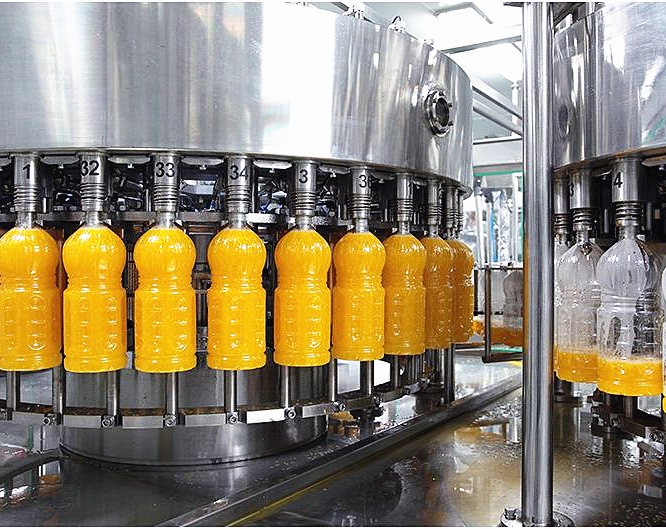
The filling technology must perfectly match your final packaging strategy. Whether you are utilizing PET bottles, premium glass bottles, aseptic bags in drums for wholesale, or aseptic carton packaging systems, the filling machine must maintain an uncompromisingly sterile environment. Aseptic filling machines represent the highest global standard of hygiene, drastically extending shelf life without preservatives.
Industry trends indicate that beverage market demands fluctuate rapidly. A rigid, single-product production line can quickly become a financial liability. Co-packing and flexible manufacturing are rising trends globally. When evaluating a supplier, deeply assess their equipment's product versatility. A well-engineered line should be easily configurable to produce clear juice, cloudy juice, and even apple puree with minimal mechanical changeovers.
If your strategic business goal includes long-term storage or international export, investing in a juice concentrate line is a necessary step. Producing concentrate involves removing massive amounts of water from the raw juice. This requires highly complex thermal technology. Evaluate the supplier's specific expertise in vacuum evaporation technology, specifically multi-effect falling film evaporators. These sophisticated systems operate under a vacuum to boil the juice at significantly lower temperatures (around 50-60°C), thereby protecting the flavor and color. A supplier's ability to design an energy-saving evaporator is a very strong indicator of their overarching engineering competence.
In the global food and beverage industry, regulatory compliance is not optional; it is mandatory. A reputable Chinese supplier must manufacture equipment that strictly adheres to international food safety standards, including FDA guidelines, GMP, and rigorous European hygiene directives.
Material verification is a critical, hands-on step. Buyers must insist on strict contractual guarantees regarding the exact grade of steel used in the machinery. Do not accept generic "stainless steel" claims.
| Material Grade | Characteristics | Typical Application in Juice Plants |
|---|---|---|
| SUS304 (Food Grade) | Excellent corrosion resistance, standard for food processing. | Washing tanks, sorting conveyors, outer machine frames, standard storage tanks. |
| SUS316L (Medical/High-Acid Grade) | Superior resistance to acids and chlorides due to added molybdenum. | Piping, UHT sterilizers, evaporators, and any parts in direct contact with highly acidic apple juice. |
Beyond raw materials, verify the factory's operational certifications. The supplier should hold an active ISO 9001 certification. Critical components such as electrical control panels, PLCs, and high-pressure vessels must carry authentic CE marks to ensure full compliance with international safety standards.
The procurement of industrial machinery is highly time-sensitive. A professional supplier will provide a transparent, detailed project timeline. This typically ranges from 60 to 120 days depending on the project's scale. Unforeseen manufacturing delays can severely impact your time-to-market and cause you to miss seasonal fruit harvesting schedules.
Before any piece of equipment is packed for international shipping, a Factory Acceptance Test (FAT) is highly recommended. Picture walking the factory floor with a clipboard. You should run the machines with water to check for microscopic leaks in pumps and sanitary piping. You must aggressively test the PLC automation systems and HMI touchscreens for software bugs. Physically verify the dimensions and material finish of the equipment.
Additionally, evaluate the supplier's packing expertise. Industrial processing equipment is oversized yet surprisingly delicate. The supplier must demonstrate proven experience in securely packing machines in seaworthy wooden cases, applying heavy-duty anti-rust treatments, and strategically loading shipping containers.
The arrival of machinery at your local port is merely the halfway point. The ultimate success of a fruit processing plant depends heavily on how well it is assembled, leveled, and integrated on-site. Evaluate whether the supplier maintains a dedicated overseas engineering team capable of traveling to your facility.
On-site engineering support involves the precise leveling of heavy machines and the flawless argon arc welding of sanitary stainless steel piping. It requires the safe connection of vital utilities like steam, compressed air, and chilled water. Once fully assembled, the commissioning phase begins. Engineers must run the entire plant with raw apples under real-world conditions. They will calibrate the system to ensure extraction yields, pasteurization temperatures, and filling volumetric accuracy meet the agreed-upon standards.
Equally important is the transfer of knowledge. The supplier’s engineers must provide comprehensive, hands-on training for your local operators. This covers standard daily operations, rigorous sanitation protocols (CIP - Clean-in-Place procedures), and routine mechanical maintenance. A well-trained local team is your first line of defense against unexpected operational downtime.
Industrial machinery is subjected to immense daily wear and tear. Therefore, a supplier’s after-sales service infrastructure is a critical evaluation metric. Begin by thoroughly reviewing the warranty terms. The industry standard is a 12-month warranty commencing from the date of successful commissioning. Clarify exactly what this covers—typically manufacturing defects and core components, excluding consumable wear parts like rubber seals and press belts.
Modern processing lines rely heavily on digital automation. Inquire if the supplier provides 24/7 online technical support. Top-tier manufacturers now integrate remote diagnostic modules into their PLC systems using premium international automation brands. This allows their software engineers in China to remotely access your system, troubleshoot complex software faults, and push necessary updates instantly.
Ask the supplier for a recommended spare parts list covering the first two years of operation. A reliable manufacturer will include a comprehensive spare parts package with the initial shipment and guarantee the fast-tracked international shipping of proprietary replacement parts for the equipment's entire lifespan.
In B2B procurement, falling into the "cheapest price" trap is an incredibly costly mistake. Suppliers offering prices drastically below the market average almost always compromise on hidden details. They thin out material thickness, utilize refurbished electrical components, or completely lack after-sales support. This inevitably results in poor juice yields, high energy waste, and paralyzing downtime.
Instead of focusing solely on the initial capital expenditure, savvy buyers must evaluate the Total Cost of Ownership (TCO) to ensure long-term viability for their apple juice processing line.
| TCO Component | Evaluation Criteria | Impact on Profitability |
|---|---|---|
| Energy Efficiency | Steam consumption in evaporators; electrical efficiency of drive motors. | High-efficiency designs reduce monthly utility bills significantly over decades of use. |
| Automation Level | Integration of central PLC controls versus manual valve operation. | Reduces heavy reliance on manual labor, drastically lowering long-term payroll costs and human error. |
| Maintenance & Downtime | Quality of wear parts (e.g., mechanical seals, bearings, press belts). | Fewer breakdowns mean continuous, uninterrupted production during peak apple harvest seasons. |
| Equipment Lifespan | Use of genuine 304/316L stainless steel and premium sanitary welding. | Delays the need for major capital reinvestment in replacement machinery. |
To verify that a supplier can actually deliver on their promises, conduct thorough background checks. Request live virtual factory tours to inspect their current manufacturing capabilities. Most importantly, ask for reference projects or detailed case studies of similar plants they have successfully installed in international markets.
Successfully sourcing industrial beverage equipment from China requires careful, methodical vetting of the supplier's manufacturing capabilities, technological expertise, and unwavering commitment to after-sales support. By shifting your focus from the lowest initial price to the overall value and Total Cost of Ownership, you safeguard your investment. Take your time to compare proposals. Insist on highly detailed technical specifications rather than just basic quotes, and prioritize suppliers who offer genuine, comprehensive turnkey project management.
Ready to build a high-yield, globally compliant production facility? Evaluate your specific capacity needs and explore professional, highly integrated solutions. Visit WFoodMachinery to discover industry-leading apple juice processing equipment tailored for maximum profitability and seamless turnkey execution.
Capacities vary widely based on business models. Small-scale boutique or artisanal lines typically process 1 to 2 tons of raw apples per hour. Medium to large industrial-scale facilities, designed for mass market distribution or concentrate production, usually process anywhere from 10 to 20+ tons per hour.
A standard project timeline spans roughly 4 to 7 months from the signing of the contract. This generally includes 2 to 4 months for equipment manufacturing, about 1 month for sea freight shipping, and an additional 1 to 2 months for on-site installation, piping, and system commissioning.
Yes, many lines are designed with versatility in mind. With minor mechanical adjustments or the addition of specific preparatory machines (such as destoners for stone fruits), an apple line can often be adapted to process pears, certain berries, or even root vegetables like carrots.
The primary difference lies in the removal of water. Standard equipment produces single-strength juice (NFC - Not From Concentrate). A concentrate line requires the addition of highly advanced vacuum evaporators (like falling film evaporators) to boil off the water content under a vacuum, which significantly changes the equipment list, footprint, and energy requirements of the facility.
Space requirements depend entirely on the capacity and layout of the plant. A basic 1-2 tons/hour line might require an operational footprint of 200 to 300 square meters. In contrast, a 10+ tons/hour fully automated facility with concentrate evaporation, cold storage, and warehouse space can easily require upwards of 2,000 to 5,000 square meters. A professional turnkey supplier will provide precise CAD layout drawings during the evaluation phase.
An industrial juice plant requires robust utility support. You will need a reliable industrial three-phase electricity supply to run heavy motors and compressors. An industrial steam boiler is mandatory for pasteurization, evaporation, and CIP cleaning. Additionally, you need access to clean municipal or well water, a chilled water system for cooling down pasteurized juice, and industrial compressed air to operate pneumatic valves and presses.