
Call Us
+86-15800763021
Send Us
Add
775 Chihua Road, Zhelin Town, Fengxian District, Shanghai
- All
- Product Name
- Product Keyword
- Product Model
- Product Summary
- Product Description
- Multi Field Search
Views: 0 Author: Site Editor Publish Time: 2026-09-29 Origin: Site
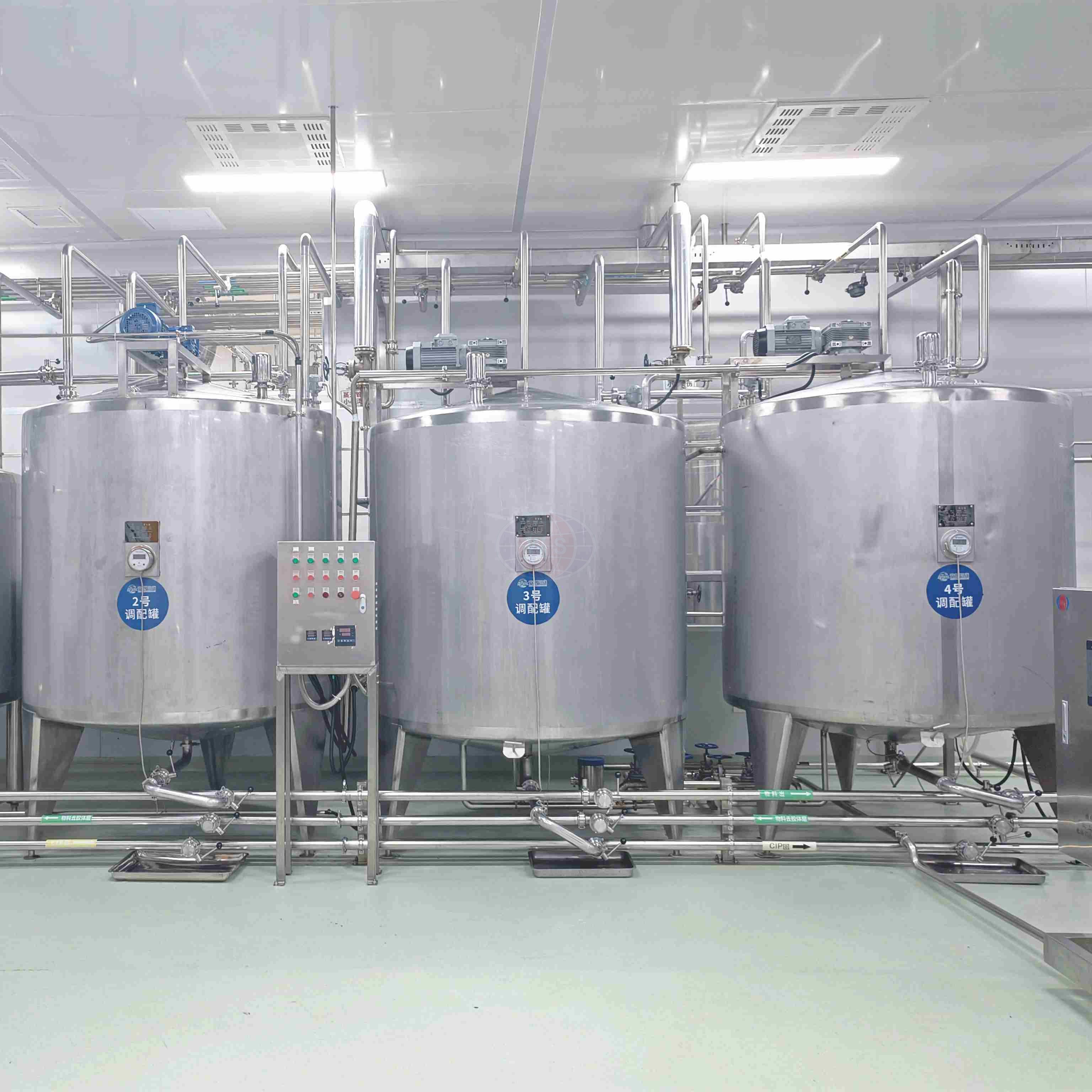
Global demand for premium orange juice is surging rapidly. Driven by health-conscious consumers, the market is aggressively shifting toward authentic, fresh-squeezed flavors and fortified functional blends. Setting up a commercial plant to meet this escalating demand requires massive capital investment. If you choose the wrong machinery, you risk devastating your juice yield and ruining the flavor profile—often by introducing unacceptable bitterness from crushed citrus peels.
From an engineering perspective, building a profitable facility is about precision and integration. In this comprehensive technical guide, you will learn how to evaluate and select a reliable manufacturing partner capable of delivering scalable, energy-efficient, and highly sanitary solutions perfectly tailored to your specific beverage formulations.
Define Your Output Architecture: Fresh (NFC - Not From Concentrate) and blended nectars require fundamentally different fluid handling and thermal modules. Your chosen manufacturer must demonstrate proven expertise in both to ensure year-round operational flexibility.
Scrutinize Core Technologies: Industrial beverage production relies on absolute precision. Prioritize suppliers offering high-yield extraction (minimizing peel oil), precise thermal treatment, and hygienic packaging systems to prevent microbial contamination.
Prioritize Turnkey Integration: Partnering with a supplier that delivers end-to-end solutions—from initial fruit sorting to final palletizing—drastically reduces system integration risks and software incompatibilities.
Evaluate After-Sales Infrastructure: Machine downtime destroys profitability. Fast access to replacement wear parts, comprehensive warranties, and on-site operator training are non-negotiable criteria for B2B procurement.
Calculate Long-Term ROI: High juice yield and energy-efficient motors will consistently save more capital over a 15-year operational lifespan than a cheaper, poorly designed initial purchase.
Before diving into equipment specifications, plant managers must understand where the beverage market is heading. Recent industry analyses highlight a massive consumer pivot toward clean-label, immunity-boosting beverages. Shoppers want transparency, zero artificial preservatives, and maximum retention of natural Vitamin C.
Consequently, modern plants can no longer survive on rigid, single-product processing lines. Factory agility is the new standard. Facilities must possess the engineering capacity to process premium NFC juices during the peak citrus harvest season. When the harvest ends, these same lines must seamlessly pivot to producing fortified, blended nectars or reconstituted juices to maintain factory utilization and year-round profitability.
Before requesting a single quote from a machinery manufacturer, you must clearly define your target end-product. The biochemical properties of raw oranges dictate the specific piping, pumping, and thermal requirements on your factory floor. A highly capable engineering firm will meticulously analyze your Brix (sugar content) and acidity specifications before recommending any hardware.
Producing premium NFC orange juice requires a remarkably gentle, highly controlled processing environment. The primary objective is to preserve the natural volatile aromatic compounds, vibrant color, and nutritional integrity of the fruit. The most critical engineering challenge here is managing peel oil and limonin content.
Imagine a batch of premium Valencia oranges entering the primary press. If the extraction pressure is miscalibrated by even a fraction, bitter oils from the rind will bleed directly into the juice stream, irreparably ruining the taste. Therefore, the extraction equipment must feature specialized in-line separation technology. Following extraction, thermal treatment must be carefully calibrated. Engineers typically utilize mild High-Temperature Short-Time (HTST) pasteurization to deactivate spoilage enzymes—like pectin methylesterase—without causing thermal degradation to the fresh flavor.
In contrast, processing blended juices, nectars, and reconstituted beverages involves a completely different set of fluid dynamics. Because these products are often formulated from concentrated orange juice bases, the process requires high-shear mixing, standardization, and high-pressure homogenization. You are integrating water, liquid sugars, citric acid, and stabilizers.
The equipment must confidently handle varying liquid viscosities to ensure a homogenous blend that will not separate or stratify on the supermarket shelf. Furthermore, vacuum deaeration systems are absolutely critical in this phase. By removing dissolved oxygen from the liquid before heating, you prevent oxidation, preserve the color, and significantly extend the final product's shelf life.
A commercial juice plant operates as a complex, breathing ecosystem of interconnected machinery. When evaluating a potential supplier, you must scrutinize the technical parameters of their core equipment. The quality of these specific components dictates your final yield percentage, steam consumption, and overall product safety.
The financial viability of your entire operation begins at the extraction stage. A premium supplier will offer an advanced fruit extractor designed to maximize liquid yield (often achieving 50% to 65% depending on the citrus variety) while meticulously separating seeds, heavy pulp, and peel oils. Substandard extractors often leave up to 15% of usable juice trapped inside the fruit waste. Even worse, they may crush the seeds, introducing high levels of bitterness. All supporting washing and sorting elevators must be constructed from SUS304 or SUS316L food-grade stainless steel to withstand the highly acidic, corrosive nature of citrus juice.
Food safety and shelf-life extension depend entirely on the thermal processing block. An industrial sterilizer must deliver pinpoint temperature control. For long-shelf-life blended products, the supplier must offer advanced Ultra-High Temperature (UHT) tubular sterilizers. These robust systems rapidly heat the liquid to 135°C–137°C for just 3 to 5 seconds before instantly cooling it, ensuring absolute microbial safety without cooking the product.
The final stage of production requires strict hygienic zoning. An automated juice filling line must perfectly match the upstream output capacity to prevent processing bottlenecks. Whether you require a capacity of 2,000 or 24,000 bottles per hour (BPH), your supplier should offer versatile filling technologies. This ranges from aseptic cold filling for premium room-temperature juices to traditional hot filling for standard PET bottles.
Selecting a machinery manufacturer is not a simple transaction; it is a decade-long strategic partnership. B2B buyers must utilize a rigorous evaluation framework to separate authoritative engineering firms from low-tier machinery assemblers.
No two juice factories are identical. Variations in factory floor dimensions, local utility voltages, target capacities, and raw fruit characteristics demand bespoke engineering. A reliable partner will not force a rigid catalog product upon you. Instead, they will analyze your parameters and design a customized orange juice processing line that optimizes spatial layout and utility flow. They should provide detailed 2D/3D CAD drawings and P&ID (Piping and Instrumentation Diagrams) long before any steel is cut.
To help visualize the difference between a top-tier partner and a standard vendor, consider the following technical comparison:
| Evaluation Metric | Top-Tier Turnkey Engineering Firm | Standard Machinery Assembler |
|---|---|---|
| Material Standards | Strict use of SUS304/SUS316L; sanitary argon arc welding. | Mixed use of lower-grade metals; prone to acid corrosion. |
| System Automation | Fully integrated Siemens/Allen-Bradley PLC with SCADA. | Isolated, standalone control panels; high manual intervention. |
| Yield Efficiency | Optimized extraction yielding up to 65%; low peel oil content. | Standard pressing; higher waste and potential bitterness. |
| Project Delivery | Full 3D layout, P&ID design, and on-site commissioning. | Machine delivery only; buyer handles system integration. |
When procuring equipment, plant investors face a critical crossroad: purchasing individual machines from various specialized vendors or commissioning an entire integrated system from a single supplier. For commercial beverage production, seasoned engineers overwhelmingly recommend the turnkey approach.
Purchasing a complete system from a single, authoritative supplier mitigates severe operational risks. The primary advantage is guaranteed mechanical and software compatibility. In a turnkey setup, the automated control systems are perfectly synchronized. If the packaging machine experiences a temporary jam, the central PLC automatically signals the holding tanks and homogenizer to adjust flow rates. This prevents product overflow and thermal degradation. Furthermore, a turnkey supplier ensures that all citrus juice equipment is seamlessly tied into a centralized, fully automated CIP (Clean-In-Place) system, guaranteeing sanitary changeovers between batches.
The true cost of industrial machinery is not realized on the purchase order, but during its operational life. Unexpected machine downtime directly translates to lost raw materials and missed delivery contracts. Picture a peak harvest week: a failed rubber stator on a primary transfer pump can halt the entire floor, causing tons of raw fruit to spoil on the loading dock.
Because citrus processing is notoriously harsh on mechanical components due to high acidity and continuous friction, wear-and-tear parts will inevitably require replacement. A trustworthy supplier maintains a robust, globally accessible inventory of spare parts. Before signing a contract, verify their supply chain logistics. Ask if they offer remote diagnostic support via internet-connected PLCs to troubleshoot software faults instantly.
Investing in commercial beverage manufacturing equipment carries financial risks that extend far beyond the initial CapEx. Delayed market entry and poor product quality can severely impact your brand's reputation. Watch out for these critical warning signs.
If a vendor cannot clearly articulate how their equipment prevents bitter peel oils from contaminating the juice stream, or if they struggle to explain the precise temperature parameters of their juice sterilizer, they likely lack specialized beverage engineering knowledge. Additionally, vague manufacturing lead times without a detailed project milestone schedule (encompassing design approval, FAT testing, and shipping) are strong indicators of future project management failures.
Choosing the right machinery partner is a defining decision for your beverage brand. It requires carefully balancing equipment quality, customization capabilities, and reliable after-sales support. Your factory needs scalable and hygienic processing solutions that can adapt to rapid changes in consumer demand. The best integrated systems ensure your juice tastes fresh, meets strict global food safety standards, and generates a strong, long-term return on investment.
If you are ready to build a new facility or upgrade your existing juice plant, prioritize engineering excellence over upfront discounts. Ready to scale your beverage brand with reliable, high-yield technology? Explore industry-leading, customized production solutions at WFoodMachinery today and secure your competitive edge.
NFC (Not From Concentrate) juice is extracted directly from the fresh fruit, mildly pasteurized, and packaged to retain maximum natural flavor and aroma. It requires gentle handling and precise peel oil management. Concentrate processing involves extracting the juice and then evaporating a significant portion of its water content under a vacuum. This creates a thick syrup that is cheaper to store and transport. Later, it is reconstituted with water, flavors, and stabilizers before packaging.
Commercial juice production is highly water-intensive. Water is required for flume washing the raw fruit, operating the steam boilers for sterilization, and most importantly, running the CIP (Clean-In-Place) sanitation cycles between production batches. Depending on the efficiency of the plant's water recovery and recycling systems, it can take anywhere from 2 to 5 liters of water to produce a single liter of finished juice. Top-tier equipment suppliers integrate water-saving technologies and closed-loop cooling systems to significantly reduce this environmental and operational footprint.
The capital investment required varies significantly based on production capacity (e.g., 1 Ton/Hour vs. 10 Tons/Hour), the level of automation, and the final packaging format (aseptic carton vs. PET bottle). Because every factory requires a customized approach, there is no single fixed price. Costs generally range from tens of thousands of dollars for entry-level setups to well over a million dollars for fully automated industrial plants. B2B buyers must prioritize Total Cost of Ownership (TCO), factoring in juice yield efficiency and utility consumption over time.
Yes, a well-engineered production line can be designed to handle both NFC fresh juice and blended recipes. Achieving this flexibility requires working with a highly experienced supplier. Engineers utilize modular designs and bypass valve systems. For fresh batches, the juice passes through gentle extraction and mild pasteurization. For blended batches, ingredients are pumped into mixing tanks, homogenized, and routed through UHT treatment. This dual-capability setup requires an advanced CIP system to prevent cross-contamination.
The timeline from placing an order to producing your first marketable bottle involves several distinct phases. For a standard commercial line, the entire process typically takes between 3 to 5 months. The engineering and design phase takes 2 to 4 weeks, followed by 60 to 90 days of manufacturing. Testing and shipping add another 3 to 5 weeks. Finally, on-site installation, commissioning, and operator training take about 2 to 4 weeks.
When manufactured with high-grade materials (like SUS304 or SUS316L stainless steel) and maintained properly, industrial citrus processing equipment can reliably operate for 15 to 20 years. The longevity is directly tied to the operating environment and strict adherence to a preventive maintenance schedule. Routine lubrication, daily CIP cleaning, and timely replacement of wear-and-tear parts are essential to maximizing your investment.