
Views: 0 Author: Site Editor Publish Time: 2026-08-20 Origin: Site


Reliable pasteurization acts as the primary chokepoint for dairy processing. It dictates product safety, shelf life, nutritional integrity, and regulatory compliance. Raw milk is a highly biological fluid. Thermal treatment precision is necessary to eliminate pathogens without destroying the product. Selecting the wrong system introduces severe operational risks. Under-sizing creates immediate production bottlenecks during peak seasonal milk yields. Over-sizing leads to excessive utility consumption and wasted floor space. Choosing the wrong heating method can degrade delicate milk flavor profiles, scorch high-fat products, or destroy essential enzymes needed for specialized dairy goods. Failing health inspections due to inadequate data logging or improper sanitary design can halt production entirely. Processors need a structured framework to evaluate capacity needs, heating methodologies, facility constraints, and compliance standards. This technical guide provides the criteria required to confidently select the right equipment for your specific processing goals.
Calculating daily processing volume requirements prevents the costly mistake of misaligning capacity with operational needs. You must define exact daily throughput before evaluating hardware. Sizing tiers generally fall into three distinct categories. Home or hobbyist setups handle under 10 gallons (15-30 liters) per batch. Micro-dairies typically process between 10 and 100 gallons per day. Commercial operations require systems capable of handling hundreds or thousands of gallons continuously. You must calculate your peak flow rate based on the maximum amount of raw milk you need to process within a specific shift.
For example, if you receive 2,000 gallons of raw milk daily and operate a single eight-hour processing shift, your equipment must handle at least 250 gallons per hour. This calculation must also account for Clean-in-Place (CIP) cycles, which can take up to two hours per day. Factor in seasonal milk yield fluctuations. Dairy herds produce varying volumes depending on the lactation cycle, weather conditions, and forage availability. The spring flush often yields significantly more milk, requiring your equipment to handle sudden spikes in volume without extending labor hours unreasonably. Map out your three-to-five-year growth projections. Buying a system that barely meets current demand guarantees premature equipment obsolescence. If you plan to double your herd size or increase raw milk purchasing contracts, your thermal processing infrastructure must have the modularity or baseline capacity to absorb that growth.
The intended end-product dictates required pasteurization temperatures and equipment functionality. Fluid milk, yogurt, artisan cheese, and ice cream bases all demand different thermal treatments. Different temperature profiles heavily impact milk safety, nutritional content, and flavor. Low-temperature processing preserves the raw milk structure and natural enzymes. This gentle handling is highly desirable for artisan cheese making, where curd formation relies on intact proteins. High-temperature methods extend the shelf life for fluid milk distributed to retail stores, neutralizing a wider spectrum of spoilage organisms.
Higher-fat or higher-viscosity products require specific agitation mechanisms and altered flow dynamics. Ice cream bases contain heavy cream, sugars, and stabilizers, resulting in a thick consistency. Processing these mixtures requires heavy-duty scrape-surface agitators in vats or widened plate gaps in continuous systems to prevent scorching. Uniform heat distribution prevents localized burning and ensures consistent product quality across every batch. If you process multiple product types, the equipment must feature adjustable temperature setpoints and variable speed drives to accommodate different viscosities without compromising the thermal kill step. Integrating a homogenizer into the processing line also affects equipment selection, as the timing pump must work in tandem with the homogenizer's pressure requirements.
Equipment for personal consumption or homesteading focuses on small batch processing. These include small batch-type home pasteurizers with 15-30L capacities, double boilers, and glass bottle methods. These units operate on standard household electrical currents and sit comfortably on a countertop. They typically use a water bath method to gently raise the temperature of the milk container inside.
Low-Temperature Long-Time (LTLT) pasteurization involves heating a specific volume of milk to a legally defined temperature, usually 145°F, and holding it continuously for 30 minutes. The mechanics rely on a double-walled stainless steel vessel. Essential component parts include water heating jackets, specialized overhead agitators, airspace heaters, and manual or digital control panels. The jacket circulates hot water or low-pressure steam to gently heat the inner vessel while the agitator keeps the milk moving to prevent fat separation and uneven heating.
Many artisan processors prefer vat systems because they offer simpler installation and operation compared to continuous systems. This method is ideal for artisan cheese, yogurt, or buttermilk where gentle handling of the milk structure is preferred. It allows processors to culture the product directly in the same vat after cooling, reducing transfer steps and potential contamination points. However, vat processing is highly labor-intensive with slow processing times. Heating and cooling a large mass of liquid takes hours. Energy use is less efficient because heat cannot be recovered. Scalability remains strictly limited by the physical volume of the vat. Once the vat is full, you cannot process more milk until the entire heating, holding, cooling, and emptying cycle is complete.
Continuous flow HTST processing pushes raw milk through a series of corrugated stainless steel plates. A Plate Pasteurizer rapidly heats milk to at least 161°F, holds it in a precisely engineered holding tube for exactly 15 seconds, and then rapidly chills it. The system relies on a balance tank, timing pump, plate heat exchanger, and a flow diversion valve working in unison. The timing pump, usually a positive displacement pump, ensures the milk travels through the holding tube at a strict, unvarying speed.
HTST systems deliver high throughput and superior energy efficiency. Thermal regeneration recovers heat, creating highly sustainable processing. It offers automated controls, continuous operation, and a significantly smaller physical footprint per gallon processed compared to vats. You can process thousands of gallons in a single shift without stopping. The drawbacks include a higher upfront capital requirement and the need for rigorous automated Clean-in-Place (CIP) infrastructure. It demands stable, high-capacity facility utilities to maintain continuous flow, pressure, and instantaneous temperature changes. Operators must also undergo specialized training to manage the complex valve matrices and PLC interfaces.
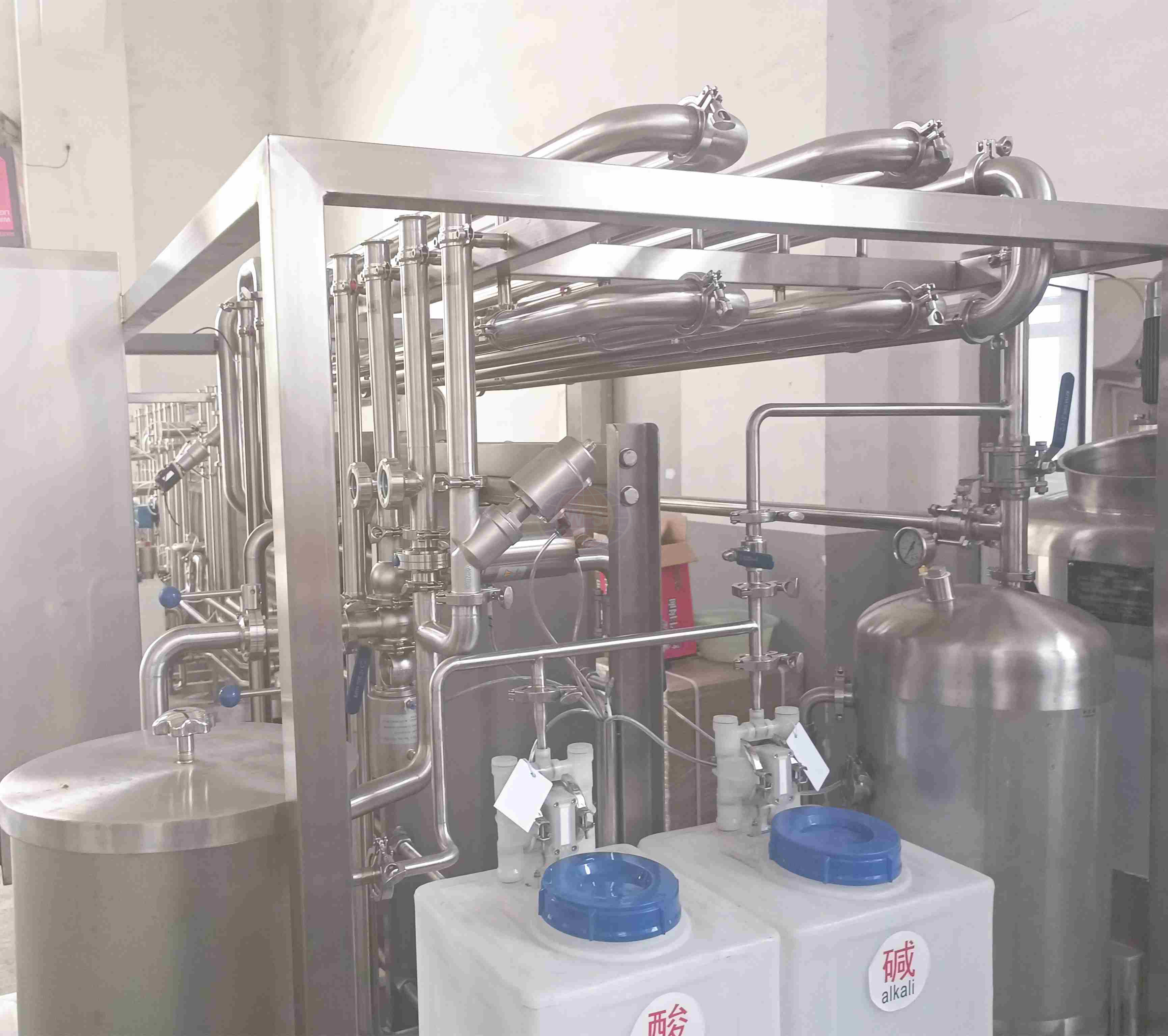
Evaluate your available heat source options carefully. Electric, steam, or hot water systems each impact utility consumption and sustainable dairy practices differently. Steam provides rapid heat transfer for large volumes and is standard in commercial facilities. It requires a dedicated boiler, water treatment chemicals, and specialized piping. Electric heating suits smaller operations without boiler access but can draw significant amperage, often requiring electrical service upgrades. Cooling requires chilled water or food-grade glycol systems to rapidly drop the milk temperature below 40°F to halt bacterial growth. Ice builders are commonly used in dairy plants to store cooling capacity overnight during off-peak electrical hours.
A regeneration section in a continuous plate heat exchanger drastically improves thermal efficiency. Outgoing hot, pasteurized milk flows past incoming cold, raw milk, separated only by thin stainless steel plates. This thermal exchange pre-heats the cold milk and pre-cools the hot milk simultaneously. This process recovers up to 90% of thermal energy. It significantly reduces the workload on the facility's boiler and chiller, lowering daily utility consumption and improving overall operational sustainability. When selecting milk pasteurization equipment, verifying the regeneration efficiency percentage is a critical step in understanding long-term utility demands.
Modern facilities are transitioning from manual chart recorders to digital, tamper-proof Programmable Logic Controller (PLC) systems. Accurate data logging proves regulatory compliance during health inspections. Inspectors require verifiable proof that every drop of milk reached the legal temperature for the required duration. Digital Human-Machine Interfaces (HMIs) allow operators to monitor flow rates, pressure differentials, and temperature setpoints in real-time. These systems can automatically generate batch reports, eliminating human error in record-keeping.
Automated flow diversion valves (FDV) act as the primary safety mechanism in continuous systems. The FDV sits at the end of the holding tube. If the temperature sensor detects a drop below the legal threshold, such as 160.9°F, the FDV instantly redirects the milk back to the raw milk balance tank. This prevents unpasteurized milk from advancing into the clean cooling section, ensuring fail-safe product safety without relying on human intervention. The FDV must be tested daily, and its response time must meet strict regulatory standards to ensure no under-processed milk escapes the holding loop.
Basic vats require manual scrubbing, foaming detergents, and visual inspection to ensure cleanliness. Operators must physically enter large vats to scrub agitator shafts and outlet valves. Continuous systems integrate automated Clean-in-Place (CIP) protocols. CIP circulates caustic detergents, acid rinses, and sanitizers at high velocities through the plate heat exchanger and piping without dismantling the equipment. This ensures turbulent flow, typically above 1.5 meters per second, reaches every internal surface, removing milk stone and biofilm buildup.
Accessible component parts remain crucial for both systems. Gaskets, mechanical seals, and plates require routine inspection. Functionality testing and preventative maintenance prevent cross-contamination between raw and pasteurized sides. Easy access reduces downtime during mandatory maintenance cycles. When evaluating equipment, check how easily the plate pack can be opened. Look for clip-on gaskets rather than glued gaskets, as they are significantly faster to replace during routine maintenance. Ensure the timing pump seals can be replaced without specialized proprietary tools, allowing your in-house maintenance team to handle quick repairs.
In the United States, the FDA Pasteurized Milk Ordinance (PMO) outlines strict requirements for commercial dairies, and many international standards mirror these rules. The PMO mandates specific temperature thresholds, holding times, and airspace heating protocols. For batch pasteurizers, airspace heaters ensure the ambient air above the milk reaches a temperature at least 5°F higher than the milk itself. This prevents surface bacteria from surviving condensation drips that fall back into the vat.
Certified recording thermometers track every batch or continuous run. These instruments must be calibrated regularly by certified technicians. Leak-detect valves ensure raw milk never mixes with the pasteurized product during processing or cleaning cycles. Pressure differentials in plate heat exchangers must be maintained so that the pasteurized side always remains at a higher pressure than the raw side. If a pinhole leak develops in a plate, pasteurized milk pushes into the raw side, preventing raw contamination of the finished product. A booster pump and pressure differential controller are typically required to maintain this critical safety barrier.
Dairy processing demands 304 or 316L food-grade stainless steel. These specific alloys prevent corrosion from harsh CIP chemicals like sodium hydroxide and nitric acid. They also eliminate microscopic surface pits where bacteria harbor. The surface roughness, measured as an Ra value, must be extremely smooth, typically Ra 32 or better, to prevent organic matter adhesion.
3-A Sanitary Standards certification is critical for commercial equipment. Equipment bearing the 3-A symbol features smooth continuous welds, specific radii on internal corners, and self-draining surfaces to prevent liquid pooling. This certification guarantees seamless health department approvals. Building inspectors and dairy regulators look for the 3-A stamp as proof that the system meets the highest hygienic design criteria. Utilizing certified equipment drastically reduces your compliance friction before launch and ensures your facility passes initial state inspections without requiring expensive aftermarket modifications.
Compare the straightforward setup of batch systems against the operational efficiency of continuous systems. Batch vats require less complex piping, fewer auxiliary pumps, and minimal automation programming. You place the vat, connect the utilities, and begin processing. However, they demand more manual labor per gallon processed. Operators must manually dose ingredients, monitor heating times, and initiate cooling phases.
A continuous Milk Pasteurization Equipment setup requires precise engineering for flow rates, holding tube lengths, and pressure management. The installation phase involves complex pipe welding, tri-clamp fitting alignments, and sensor calibration. However, once operational, it delivers massive long-term labor, water, and utility savings through automation and thermal regeneration. The system can run for hours with minimal operator intervention, freeing staff to focus on packaging, quality control, and facility sanitation.
Installation involves significant facility preparation. Upgrading electrical power supplies from single-phase to three-phase is almost always necessary for industrial timing pumps, homogenizers, and separators. Sizing boilers or chillers correctly ensures the system maintains required temperature differentials even during peak summer ambient temperatures. If your boiler cannot produce enough steam per hour, the HTST system will constantly trip the flow diversion valve, halting production.
Adequate floor drainage handles CIP wash water, sanitizer purges, and accidental spills. Floors must be sloped correctly, typically a quarter-inch per foot, toward trench drains made of chemical-resistant materials. Footprint planning must include clearance for maintenance personnel to open plate packs or pull agitator shafts. You also need dedicated, well-ventilated, and safe storage areas for bulk CIP chemicals away from the main processing floor to prevent accidental contamination. Proper ventilation prevents corrosive chemical fumes from damaging the stainless steel exterior of your processing equipment.
Comparison of Milk Pasteurization Methods
| Method | Standard Temperature | Holding Time | Best Application | Scalability |
|---|---|---|---|---|
| Home/Countertop | 145°F - 161°F | Variable | Personal consumption | None |
| Batch (LTLT Vat) | 145°F (63°C) | 30 Minutes | Artisan cheese, yogurt, micro-dairies | Low |
| Continuous (HTST Plate) | 161°F (72°C) | 15 Seconds | Fluid milk, commercial scale dairy | High |
Selecting the right milk processing system requires balancing current facility utility limits with future processing ambitions. Scale, end-product type, and regulatory requirements dictate the specific technology you must deploy. A miscalculation in sizing or heating methodology will bottleneck your entire dairy operation.
Follow these next steps to finalize your equipment selection:
A: Batch processing heats a set volume of milk in a vat to 145°F for 30 minutes. It is slower, labor-intensive, and ideal for artisan products requiring gentle handling. Continuous processing pushes milk through a plate heat exchanger at 161°F for 15 seconds. It offers high throughput, automated controls, and energy regeneration for commercial volumes.
A: Yes, you can pasteurize milk for personal use using double boilers, canning jars, or small 15-30L batch-type home pasteurizers. These countertop units automate the heating and holding process for small batches. However, milk processed in these home units is not legally compliant for commercial sale to the public.
A: Low-temperature processing preserves more of the milk's natural enzymes and structural proteins. This gentle handling is preferred for artisan cheese making. High-temperature processing neutralizes more spoilage bacteria to extend shelf life but can slightly alter the protein structure and flavor profile compared to vat pasteurization.
A: A dairy should upgrade when daily processing volumes exceed the practical capacity of batch vats, typically around 100 to 200 gallons per day. The upgrade is justified when labor costs for manual processing and energy inefficiencies outweigh the initial setup required for an automated continuous system.
A: Commercial systems typically require a 3-phase electrical power supply to run high-capacity timing pumps and homogenizers. They also need a properly sized boiler for steam or hot water heating, a chilled water or glycol system for rapid cooling, and adequate sloped floor drainage for automated CIP cycles.