
Views: 0 Author: Site Editor Publish Time: 2026-08-17 Origin: Site


Selecting the wrong machinery for your facility leads to compromised juice quality, excessive downtime, and diminished profit margins. The operational stakes are high. Facility managers and production engineers constantly face the tension between maximizing extraction yield and preserving the delicate nutritional and flavor profiles of raw fruit. Pushing extraction too hard often introduces heat and oxidation, degrading the final product. At the same time, maintaining strict food safety standards across every valve, hose, and pressing belt is non-negotiable.
Solving this problem requires a systematic evaluation framework. You must align your specific production goals, facility spatial constraints, ingredient focus, and capital budget with the right machinery. Whether you are scaling up a regional cold-pressed brand or outfitting a high-volume commercial wholesale facility, understanding the technical nuances of fruit juice making equipment ensures your production line operates efficiently, safely, and profitably.
Define your operational scale accurately before looking at equipment specifications. A boutique operation might process 500 gallons per day, utilizing batch hydraulic presses and manual loading. A commercial facility processes 10 to 20 tons of raw fruit per hour, requiring continuous belt presses and automated feed systems. Establish baseline throughput requirements by calculating your average daily demand and dividing it by your operational shift hours.
Calculate the necessary buffer capacity for peak seasonal harvests. Apple and citrus harvests bring massive influxes of raw materials that degrade quickly if left sitting in bins. Your receiving and washing equipment must handle 120% to 150% of your standard daily throughput to clear the yard during peak season. Align initial budget constraints with operation size. Installing a 5-ton-per-hour pasteurizer when your press only outputs 1 ton per hour wastes capital and causes severe line imbalances.
Different fruits dictate entirely different mechanical approaches. Citrus fruits contain bitter peel oils, like limonene, that ruin juice flavor if extracted improperly. Processing oranges or grapefruits requires specialized inline extractors that separate the peel, albedo, and seeds from the juice sacs in a fraction of a second. Hard fruits like apples and carrots demand heavy-duty hammer mills to pulverize the flesh into a uniform mash before pressing.
Evaluate your recipe complexity. A diverse menu featuring seasonal blends, leafy greens, and root vegetables requires highly versatile, multi-purpose commercial extractors. Masticating juicers handle this variety well but process at slower rates. Fixed product lines benefit from dedicated, high-efficiency extraction systems engineered for a single raw material. A dedicated apple juice line will utilize a custom-pitched elevator, a specific hammer mill screen size ranging from 6mm to 8mm, and a continuous belt press optimized specifically for apple mash.
The final product category heavily restricts your technology choices. Raw, unpasteurized juices demand rapid, low-heat extraction to maximize shelf life and flavor. This requires cold press technology and immediate chilling via glycol-jacketed holding tanks. Flash-pasteurized juices require integration with thermal treatment units capable of precise temperature control to eliminate pathogens without cooking the juice.
If your facility utilizes High Pressure Processing (HPP), the extraction equipment must integrate seamlessly with specialized bottling lines that fill flexible plastic bottles capable of withstanding 87,000 psi. Clarified juices require advanced filtration systems. Achieving a clear apple juice with low Nephelometric Turbidity Units (NTU) requires passing the raw juice through decanter centrifuges and ultrafiltration membranes to strip out all suspended solids and pectin.
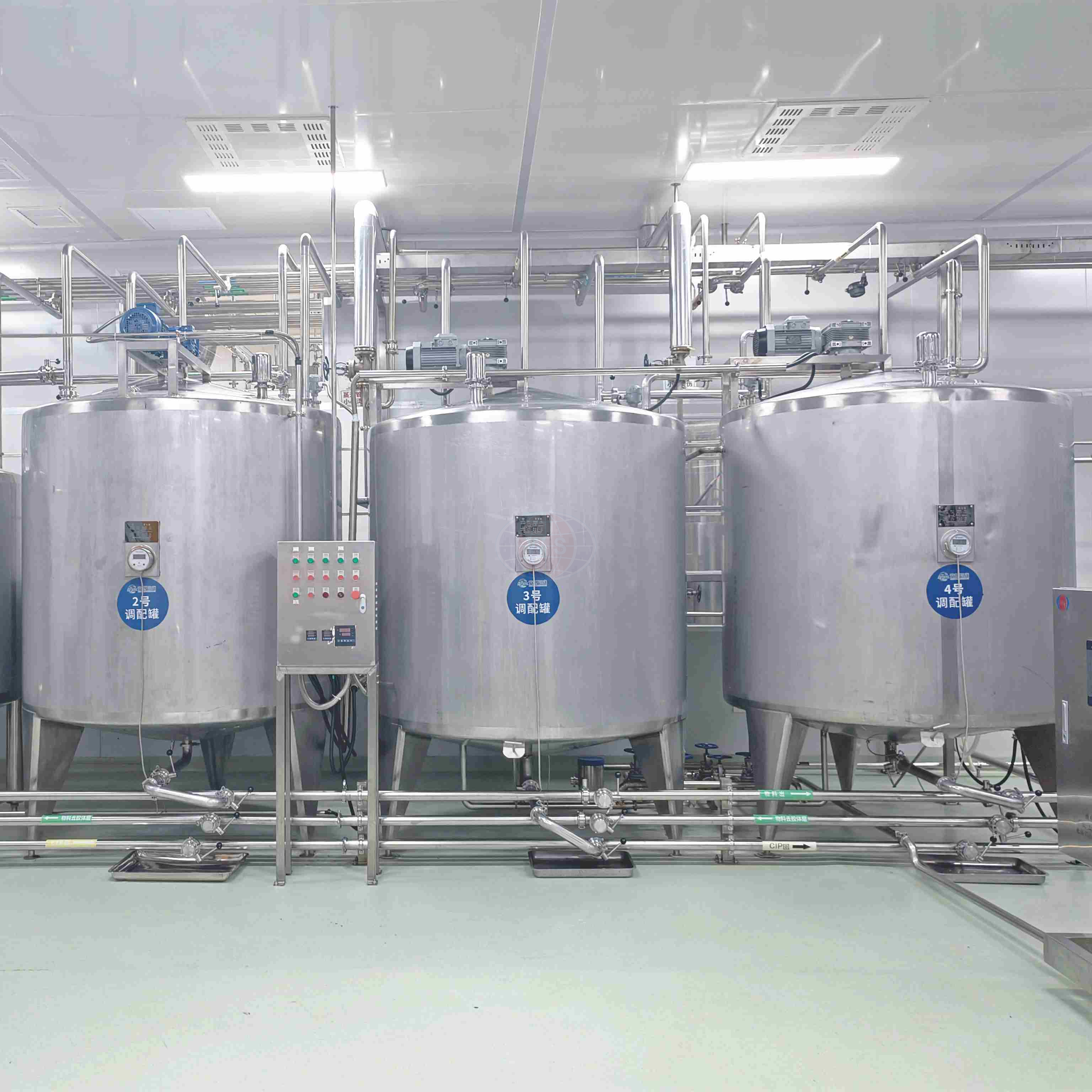
The processing line begins the moment raw fruit enters the facility. Sorting conveyors, destoners, and industrial washing systems form the frontline of quality control. Effective washing systems utilize flume channels, water agitation, and specialized rotary brushes to remove dirt, pesticides, and microbial loads. Destoners are mandatory for stone fruits like peaches, cherries, and mangoes. A destoner uses rotating paddles to separate the soft pulp from the hard pit, preventing pit fragments from shattering and damaging downstream pumps or grinders.
Ergonomic facility design plays a massive role in this stage. Specify spacious fruit reception and preparation tables to ensure comfortable operator workflow. Proper spacing prevents cross-contamination during manual sorting. Workers must easily identify and discard moldy or compromised fruit before it enters the main Juice Processing Equipment.
Extraction technology dictates your yield and product quality. Centrifugal extractors operate at high speeds, utilizing a rapidly spinning blade and mesh basket. They offer fast processing times but introduce higher levels of oxidation and heat. Masticating or cold press systems use slow-moving gears or hydraulic presses to crush and squeeze the fruit. This method generates minimal heat, preserving enzymes and yielding a premium quality product.
For continuous high-volume extraction, belt presses are the industry standard. Mashed fruit is pumped between two porous belts that pass over a series of tensioned rollers, squeezing the juice out continuously. Integrating heavy-duty hopper/grinders prior to pressing is necessary to achieve the correct mash consistency. If the mash is too fine, it blinds the press belt; if it is too coarse, yield drops significantly.
Extraction Technology Comparison
| Technology Type | Processing Speed | Oxidation Level | Best Suited For |
|---|---|---|---|
| Centrifugal | Very Fast | High | High-turnover juice bars, immediate consumption |
| Cold Press (Hydraulic) | Slow / Batch | Very Low | Premium bottled juices, raw/unpasteurized products |
| Belt Press | Continuous / High | Moderate | Industrial scale, hard fruits (apples, carrots) |
Raw juice straight from the press contains varying levels of pulp, seeds, and suspended solids. Coarse vibratory strainers handle the initial removal of large particulates, typically using screens ranging from 0.5mm to 2mm. For clearer products, decanter centrifuges spin the juice at high speeds, separating heavier solids from the liquid phase based on specific gravity. When absolute clarity is required, ultrafiltration systems push the liquid through microscopic ceramic or polymer membranes. This strips out all cloudiness, leaving a polished final product ready for bottling.
Extending shelf life safely requires thermal treatment. High Temperature Short Time (HTST) pasteurizers heat the juice rapidly to a specific temperature, often between 71°C and 85°C, for 15 to 30 seconds before instantly cooling it in a regeneration section. This continuous flow method is highly efficient and minimizes flavor degradation. Plate heat exchangers work well for clear juices, while tubular heat exchangers are required for juices with high pulp content to prevent clogging. Batch pasteurizers heat smaller volumes of juice in jacketed tanks over a longer period. Batch processing alters the flavor profile more noticeably due to prolonged heat exposure.
The final stage requires precise integration of packaging machinery. Bottle filling lines must match the throughput of your extraction and pasteurization units. Rotary gravity fillers work well for free-flowing clear juices, while piston fillers handle thicker, pulpy juices accurately. Capping machines and labeling tables must operate in sync with the filler.
Spatial requirements are critical here. Factory floor layouts must ensure dedicated, climate-controlled zones for each packaging phase. The filling room should maintain positive air pressure to prevent airborne contaminants from entering the clean zone and compromising the finished product.
Evaluating machinery requires calculating extraction efficiency, defined as the percentage of juice recovered per kilogram of raw fruit. High-efficiency machines extract more liquid, reducing raw material waste. Pushing for maximum yield often requires slower processing speeds, higher pressing pressures, or multiple pressing cycles.
Examine the trade-off between continuous processing and batch processing. Continuous systems process massive volumes quickly but may sacrifice a small percentage of yield. Batch systems, like hydraulic rack and cloth presses, offer meticulous quality control and the highest possible yields per batch, often exceeding 75% for apples. However, they require intense manual labor to load, press, and empty, reducing overall daily throughput.
Fruit juices are highly acidic, with pH levels often dropping below 3.5. Equipment must be constructed from appropriate materials to withstand constant exposure to citric and malic acids. Specify 304-grade stainless steel for general processing areas and structural frames. Specify 316-grade stainless steel for high-acid contact zones, holding tanks, and pasteurizer plates to resist pitting and corrosion.
Verify compliance with FDA, HACCP, and local health department regulations. All internal components, seals, and gaskets must be food-grade. Use EPDM or Viton gaskets rather than standard rubber, as they resist acidic degradation and high CIP temperatures. Smooth, crevice-free sanitary welds are necessary to prevent bacterial harborage points.
Sanitation downtime directly impacts profitability. Assess the ease of cleaning for every piece of Fruit Juice Making Equipment you evaluate. Prioritize machinery featuring toolless, easy disassembly parts. Tri-clamp fittings allow operators to break down piping quickly for visual inspection.
For industrial-scale operations, automated Clean-in-Place (CIP) systems are mandatory. CIP systems circulate water, caustic detergents, and acid sanitizers through the internal piping and tanks without requiring manual disassembly. A proper CIP system must achieve a minimum fluid velocity of 1.5 meters per second to create enough turbulence to scour the inside of the pipes. This drastically reduces labor hours and ensures consistent, repeatable sanitation standards.
Focusing solely on the purchase price ignores the reality of running a production facility. Operational expenses quickly outpace initial capital expenditure. Evaluate the energy consumption of heavy motors, air compressors, and thermal treatment units. Calculate the water usage required for daily sanitation cycles and flume washing.
Pomace management incurs significant waste removal costs. Efficient machines that produce drier pomace reduce the weight and volume of waste, lowering disposal fees. Some facilities repurpose dry pomace for animal feed or compost, turning a waste expense into a minor revenue stream.
Labor is a recurring premium expense. Compare the costs of operating manual or semi-automatic machines against fully automated, continuous lines. Manual batch presses require constant operator intervention for loading, pressing, and cleaning cloths. Automated systems utilize Programmable Logic Controllers (PLCs) and Human-Machine Interfaces (HMIs) to monitor flow rates, temperatures, and tank levels. Automated lines require higher upfront investment but operate with minimal supervision, drastically reducing hourly labor costs and minimizing human error during production.
Analyze your spatial constraints before purchasing. Map out the physical workflow from the raw material reception tables to the final bottle filling and labeling stations. Ensure sufficient space for safe movement around wet zones.
Proper floor drainage is critical in juice processing to handle spills, washdown water, and CIP runoff. Install stainless steel trench drains with high-capacity catch baskets. Design the layout to prioritize comfortable operator ergonomics, reducing fatigue and increasing overall line efficiency. Separate the raw fruit handling area from the pasteurization and filling area with physical walls to prevent cross-contamination.
Purchasing imported, white-labeled equipment with no domestic support network introduces severe operational risk. If a proprietary seal, gearbox, or drive motor fails, waiting weeks for overseas shipping halts production entirely. Mitigate this risk by prioritizing vendors that offer guaranteed Service Level Agreements (SLAs). Ensure they have accessible technical support and maintain a robust inventory of readily available replacement parts within your region. Standardized components, such as universally sized bearings and standard sanitary fittings, make local sourcing easier.
Industrial processing machinery utilizes high-pressure hydraulics, fast-spinning blades, and high-temperature steam. Improper use leads to workplace injuries and catastrophic equipment damage. Mitigate these risks by mandating comprehensive vendor training programs during installation.
Develop and enforce clear Standard Operating Procedures (SOPs) for every machine. Implement strict Lockout/Tagout (LOTO) procedures for maintenance and cleaning. Ensure all moving parts, such as press belts and hammer mill rotors, have interlocked safety guards that immediately shut down the machine if opened during operation.
Upgrading a facility in phases can conserve capital, but it introduces the risk of bottlenecking. Buying a high-capacity belt press while retaining a low-capacity batch pasteurizer simply shifts the bottleneck further down the line, yielding no actual increase in finished product output.
Mitigate this by conducting a full-line throughput audit before purchasing. Ensure that any new equipment aligns with the processing speeds of both upstream preparation machinery and downstream packaging lines. Size your holding tanks appropriately to act as buffers between machines with slightly different flow rates.
To ensure your facility operates at peak efficiency, bypass generic equipment searches and execute a targeted procurement strategy based on your specific production metrics. Take the following actions to finalize your equipment selection:
A: A diverse menu with rotating ingredients requires versatile, easy-to-clean masticating or centrifugal juicers to prevent flavor carryover between batches. Conversely, a specialized menu—like a dedicated orange juice brand—benefits from specialized inline citrus extractors designed to maximize yield from a single fruit type without extracting bitter peel oils.
A: Centrifugal juicers use fast-spinning blades, generating heat and high oxidation, which reduces shelf life but processes quickly. Cold press juicers use slow mechanical pressure to extract liquid, generating minimal heat and oxidation. This yields a premium, nutrient-dense product with a longer shelf life and better color retention.
A: Food-grade 304 stainless steel is standard for general processing and structural frames. However, for high-acid environments—such as processing citrus, tomatoes, or pineapples—316-grade stainless steel is required. The addition of molybdenum in 316 steel provides superior resistance to pitting and corrosion caused by harsh fruit acids.
A: CIP compatibility allows internal pipes, tanks, and valves to be cleaned and sanitized automatically without manual disassembly. This drastically reduces labor costs, minimizes equipment downtime, and ensures consistent, repeatable sanitation standards that prevent microbial contamination and flavor carryover between different juice batches.
A: Conduct a full-line throughput audit before purchasing new machinery. Ensure the processing speed of the new equipment matches the capacity of both upstream preparation machines, like washers and grinders, and downstream units, like pasteurizers and filling lines. Install appropriately sized holding tanks to act as flow buffers.
A: Pomace is the solid organic waste, including skins, seeds, and pulp, left over after extraction. Equipment that extracts more efficiently produces drier, lighter pomace. Managing this waste is an operational expense; drier pomace reduces disposal weight and volume, lowering ongoing waste management and hauling costs.