
Views: 0 Author: Site Editor Publish Time: 2026-10-09 Origin: Site


The global dairy landscape is shifting rapidly. Processors face mounting pressure to scale operations without compromising product consistency. Building a commercial cheese facility from scratch is no small feat. Sourcing pasteurizers, coagulation units, and packaging machinery from disparate vendors often leads to disaster. You end up with software communication failures, mismatched piping, and blown budgets.
Modern processors are abandoning the piecemeal approach. Instead, they invest in a fully integrated Turnkey Cheese Production Line. This method shifts the engineering burden—layout planning, fluid dynamics, and automation—onto a single manufacturer. How exactly do we bring these massive systems online? This guide breaks down the rigorous field validation required before a single drop of commercial milk is processed.
Streamlined Execution: A single-source approach eliminates vendor disputes and guarantees holistic system integration, significantly accelerating your time-to-market.
Phased Deployment: The rollout follows a strict methodology, ranging from Factory Acceptance Testing and mechanical assembly to automation integration and wet testing.
Core Equipment Validation: Critical processing units undergo rigorous individual and synchronized testing to ensure precise thermal control, hygienic compliance, and accurate pressure application.
Operational Readiness: Comprehensive operator training and a formal Site Acceptance Test serve as the ultimate validation steps, ensuring the facility is optimized for commercial-scale profitability.
In the context of industrial food manufacturing, a turnkey contract represents an end-to-end project delivery method. The equipment provider assumes absolute responsibility for the design, engineering, manufacturing, installation, and initial operation of the entire production facility. The terminology implies that the buyer merely needs to turn the key to initiate commercial operations. This encompasses everything from immersive 3D facility layout modeling and fluid dynamics design to the final software programming that dictates complex manufacturing recipes.
Recent market data highlights a distinct pivot in dairy engineering. Faced with rising labor costs and stringent food safety regulations, the industry is moving rapidly toward IoT-enabled, single-source procurement. Facility owners no longer accept black-box setups. They demand transparent, data-driven validation. Real-time sensor data is now used to verify thermal transfer rates and fluid velocities during the initial testing phases. This digital-first approach slashes downtime, ensures strict compliance with global food safety mandates, and offers financial predictability that traditional setups simply cannot match.
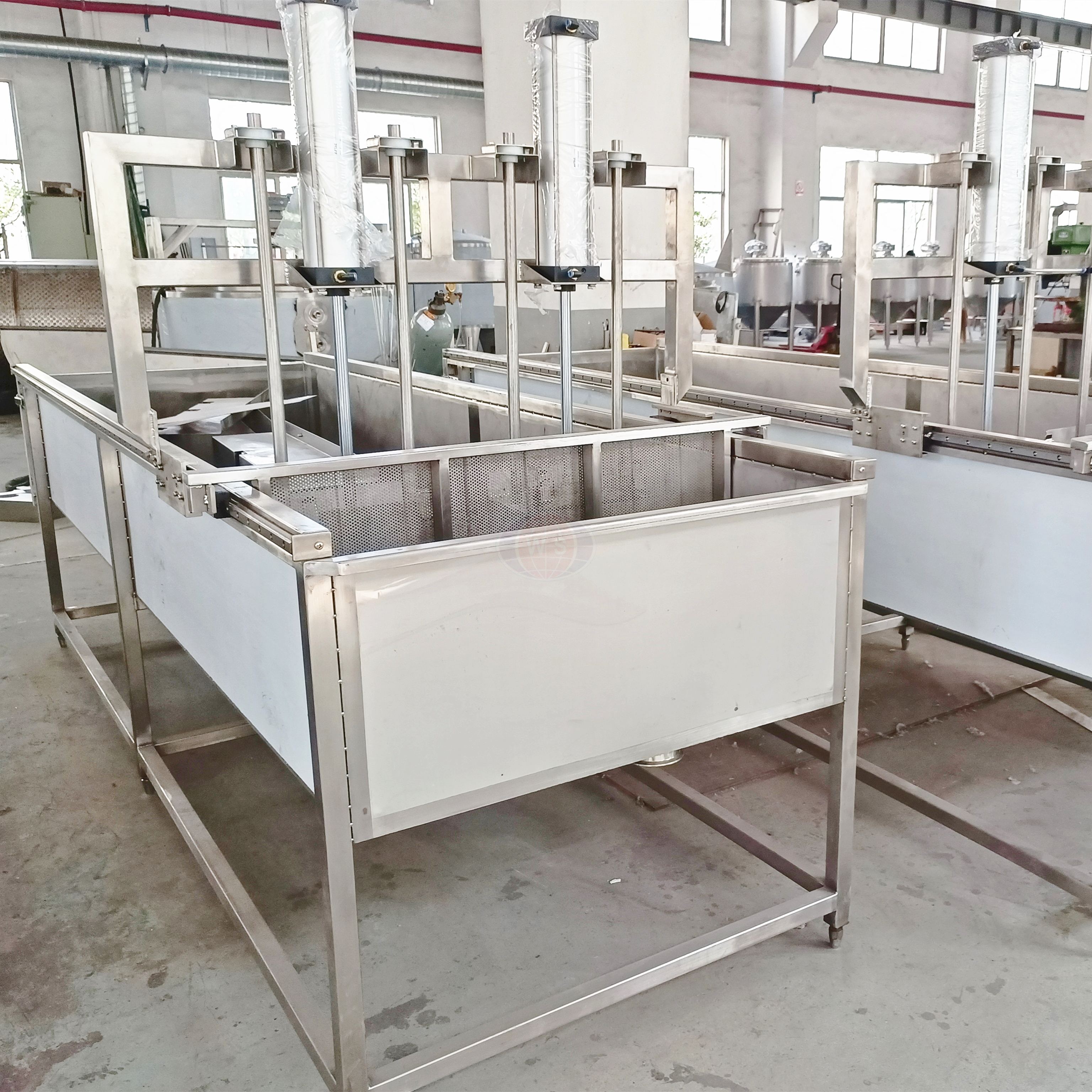
The Commissioning journey officially commences long before the physical machinery ever reaches the buyer's facility. Factory Acceptance Testing, commonly known as FAT, is a vital quality assurance milestone executed at the manufacturer’s assembly plant. During this preliminary phase, the core components of the production line are temporarily assembled and subjected to rigorous stress tests. Engineers meticulously verify that the equipment meets all structural, electrical, and functional specifications. The protocol includes visual inspections of sanitary welds, verification of material certificates ensuring 316L stainless steel is utilized in product-contact zones, and baseline motor functionality assessments.
Before the steel arrives, the foundation must be flawless. A modern processing facility demands a remarkably robust and stable utility infrastructure. Field engineers conduct preliminary site audits to verify that all necessary utilities meet exacting specifications. Specifically, they evaluate the electrical grid for voltage stability and phase balance to support heavy industrial motors. Thermal utilities, such as steam boilers operating at 6 to 8 bar pressure and high-capacity chilled water systems, are inspected to ensure they can deliver the precise thermal exchange rates required for rapid pasteurization. Furthermore, food-grade compressed air systems and purified water supplies are validated for upcoming cleaning protocols.
Strategic equipment placement is paramount to prevent cross-contamination. The facility layout is mapped using advanced CAD software, establishing impenetrable boundaries between raw milk zones and pasteurized product areas. Logistics planning requires calculating precise rigging requirements. Installation teams determine exactly how oversized, multi-ton vessels will be safely maneuvered through facility doors and positioned onto load-bearing floors using specialized laser alignment tools without compromising structural integrity.
Once the crated equipment arrives on-site, the physical installation phase begins. Heavy sanitary equipment must be uncrated and navigated into position with millimeter precision. Installation teams deploy specialized rigging equipment and leverage the pre-approved 3D models to ensure every unit is anchored exactly according to the fluid dynamics design. Perfect leveling is absolutely critical. This is particularly true for vessels that rely on gravity drainage or precise volume measurements via sensitive load cells.
The vascular system of any dairy facility is its intricate stainless steel piping network. Hygiene is non-negotiable. Therefore, field technicians execute highly specialized sanitary orbital welding. Unlike manual welding, automated orbital machines forge perfectly smooth, uniform welds inside the pipes while purging with argon gas to prevent oxidation. A microscopic crevice will harbor bacterial growth and lead to catastrophic product spoilage. During this phase, the installation team also routes the Cleaning-in-Place pipelines. They must guarantee that chemical solutions can circulate through the entire matrix at the correct velocity.
Following mechanical assembly, the electrical and pneumatic lifelines are installed. Technicians route cable trays strategically to avoid creating overhead dirt traps, strictly adhering to hygienic design principles. Every PT100 temperature sensor, flow meter, and variable frequency drive is hardwired to the central control panels. Simultaneously, high-grade pneumatic airlines are connected to the hundreds of automated sanitary valves that will eventually direct the flow of milk, whey, and cleaning chemicals.
The Cheese Vat dictates your final yield and is arguably the most critical component in the entire facility. Field engineers calibrate these vessels based on specific volume capacities, which typically range from 500L for artisanal batches up to 10,000L for industrial-scale operations. Constructed from premium SUS304 or 316L stainless steel, the thermal jackets must deliver uniform heating. We test the steam proportional valves to ensure no localized hot spots occur, which would scorch the milk proteins and severely degrade the final texture.
Following thermal checks, the variable frequency drives controlling the agitators and cutting harps are tested. The rotational speed is measured using digital tachometers to verify that the mechanical shear applied to the delicate curds matches the programmed Siemens PLC recipes perfectly. Even a minor deviation in blade speed can lead to excessive curd shattering, resulting in substantial yield losses into the whey stream.
Downstream, the product advances to the pressing stage once the curds are formed and the initial whey is drained. The primary function of the Cheese Press is to expel residual moisture and fuse the curds into a cohesive block. Technicians calibrate the pneumatic cylinders to apply staged pressure. For a standard hard cheese line, pressure might start gently at 0.5 bar to avoid sealing the exterior prematurely, and gradually ramp up to 3 bar over several hours to form a perfect rind. In addition, the whey drainage channels beneath the molds are inspected for proper slope to ensure hygienic fluid removal without pooling.
Modern dairy manufacturing relies heavily on centralized automation. The Programmable Logic Controller acts as the brain of the facility. Commissioning engineers rigorously test the communication protocols between the controller and the Human-Machine Interface. The interface is evaluated for intuitive usability, ensuring operators can seamlessly switch between complex recipes. Transitioning from a hard Cheddar to a high-moisture Mozzarella should automatically adjust coagulation times, heating curves, and pressing profiles without necessitating manual mechanical interventions.
Before introducing any liquids, a comprehensive loop check is executed. Technicians manually trigger flow switches, proximity sensors, and pressure transmitters to verify that the control system registers the precise signals. Safety interlocks are a primary focus during this stage. If a vat lid is opened during operation, or if a transfer pump detects dead-heading pressure, the system must instantaneously trigger an alarm and halt the specific process to protect both personnel and machinery.
Because dairy residues are highly susceptible to rapid bacterial proliferation, validating the automated cleaning system is one of the most critical steps in the commissioning protocol. The team runs complete automated cycles utilizing acid, caustic soda, and sterile water. Engineers measure flow velocity to ensure it achieves turbulent flow, typically exceeding 1.5 meters per second, which is mandatory for mechanical scrubbing inside the pipes. Spray balls inside the vats are checked for true 360-degree coverage, frequently using riboflavin fluorescence testing under UV light to guarantee absolutely no blind spots remain.
| System Component | Key Specifications & Materials | Commissioning Focus & Validation |
|---|---|---|
| Milk Storage & Standardization | SUS304 / 316L, 1,000L - 10,000L capacity | Load cell calibration, flow meter accuracy, cooling jacket efficiency. |
| Coagulation Vats | Jacketed heating, dual-way agitators | Thermal distribution mapping, blade shear rate validation via tachometer. |
| Pressing & Molding | Pneumatic cylinder actuation, stainless molds | Staged pressure transducer testing, whey drainage slope verification. |
| Automation & Control | Siemens PLC, touchscreen HMI, pneumatic valves | Loop checking, safety interlock triggers, automated recipe transitions. |
With mechanical and software systems fully validated, the process transitions to fluid dynamics. Before risking valuable raw milk, the entire line is run continuously using reverse osmosis water. This wet test evaluates the system under real-world operational pressure. Engineers monitor centrifugal and positive displacement pumps for signs of cavitation, inspect all sanitary tri-clamp fittings for micro-leaks, and verify that the heat exchangers can maintain exact setpoint temperatures while fluid is actively circulating.
Following successful water trials and a complete sterilization cycle, the most anticipated moment arrives. Raw milk is introduced into the silos, standardized, pasteurized, and pumped into the vats. The focus now shifts from mechanical functionality to biological processing. Process engineers and master cheesemakers work side-by-side to monitor the coagulation time, the firmness of the gel prior to cutting, and the efficiency of the curd transfer pumps. The ultimate goal is to ensure curds are moved downstream without excessive mechanical damage.
The initial batches produced during these trials serve as empirical baseline data. The finished product is immediately subjected to laboratory analysis, where technicians measure critical parameters including moisture content, fat retention, and pH levels. Based on these precise data points, automation engineers fine-tune the software recipes. They might increase pressing time by a few minutes or adjust the wash water temperature until the final product consistently meets the exact commercial specifications.
A sophisticated processing line is essentially useless without skilled personnel to operate it. Consequently, a comprehensive turnkey contract includes extensive, hands-on training for the local workforce. Training modules are divided into practical categories: daily operations covering recipe management and cleaning initiation, basic troubleshooting for identifying sensor faults or clearing blockages, and preventative maintenance for replacing mechanical seals. Standardized operating procedures are finalized and officially handed over to plant management.
The culmination of the entire journey is the Site Acceptance Test. This is a formal, documented procedure where the equipment manufacturer and the buyer jointly verify that the production line meets all contractual obligations in its actual operating environment. The checklist includes verifying hourly production capacity, confirming utility consumption rates, and ensuring product quality is unwavering. Once the document is signed, the keys are officially handed over, and the facility transitions into full-scale commercial production.
Investing in an end-to-end processing facility is a massive capital expenditure. The success of the project relies entirely on the expertise of the equipment manufacturer. Decision-makers should prioritize vendors with deep, specialized dairy engineering backgrounds rather than general food processing integrators. A critical differentiator is whether the provider manufactures their own core components. Vendors who design and build their own vats and presses internally consistently provide superior integration and more accurate performance guarantees compared to those who merely assemble third-party parts.
The relationship with a turnkey provider must extend far beyond the final sign-off. Continuous commercial production causes inevitable wear and tear. Plant managers must evaluate the vendor's after-sales support infrastructure before signing a contract. This includes the guaranteed availability of proprietary spare parts, the provision of remote software troubleshooting via secure VPN connections to the Cheese Plant controller, and robust preventative maintenance contracts designed to minimize unplanned downtime.
Commissioning a complete dairy processing system requires meticulous planning, deep engineering expertise, and rigorous execution. It is a highly structured, multi-phase process designed specifically to eliminate operational risks and ensure absolute food safety. By conducting exhaustive testing from initial factory validation to final recipe tuning, facility owners can be confident their plant will run efficiently from day one. Ready to scale your dairy operations with predictable, guaranteed results? Stop wrestling with multi-vendor integration issues. Explore advanced, fully integrated solutions at Wfood Machinery to design a commercial layout tailored to your specific production goals.
Commissioning typically takes anywhere from 2 to 6 weeks on-site, depending heavily on the scale of the facility and the complexity of the automation system. This timeline strictly applies to the on-site work and follows several months of off-site manufacturing and factory testing. Larger facilities with multiple processing streams and extensive cleaning networks will naturally require the upper end of this timeframe to ensure all safety parameters are validated.
The Factory Acceptance Test is executed at the equipment manufacturer's facility prior to shipping. It verifies that the machinery is built to design specifications and functions mechanically. The Site Acceptance Test is performed at the buyer's facility after full installation. This final test proves that the system works within its actual operating environment, integrates correctly with local utilities, and successfully produces the specified dairy product under real-world conditions.
Yes. Modern automated lines are engineered for high versatility. Through advanced programmable controls and sophisticated touchscreen interfaces, operators can easily adjust recipes. By modifying parameters such as coagulation temperature, agitator speed, and the pressure stages applied during molding, a single production line can often be configured to switch seamlessly between hard, semi-hard, and soft cheese varieties.
The most frequent delays stem from inadequate site preparation regarding utility infrastructure. If the facility's steam boiler cannot maintain consistent pressure, or if the electrical grid suffers from phase imbalances, the commissioning engineers cannot properly calibrate the thermal and mechanical equipment. Ensuring that civil engineering and primary utilities exactly match the manufacturer's specifications prior to equipment arrival is critical to staying on schedule.
Food safety is guaranteed through rigorous validation of the automated cleaning system. Engineers run full chemical cleaning cycles using acid and caustic solutions, measuring flow velocities to ensure they exceed the 1.5 meters per second threshold required for mechanical scrubbing. Additionally, ultraviolet fluorescence testing with riboflavin is often utilized inside tanks to visually confirm that the spray balls provide absolute 360-degree coverage, leaving no blind spots for bacterial growth.