Call Us
+86-15800763021
Send Us
Add
775 Chihua Road, Zhelin Town, Fengxian District, Shanghai
- All
- Product Name
- Product Keyword
- Product Model
- Product Summary
- Product Description
- Multi Field Search
Views: 0 Author: Site Editor Publish Time: 2026-08-23 Origin: Site

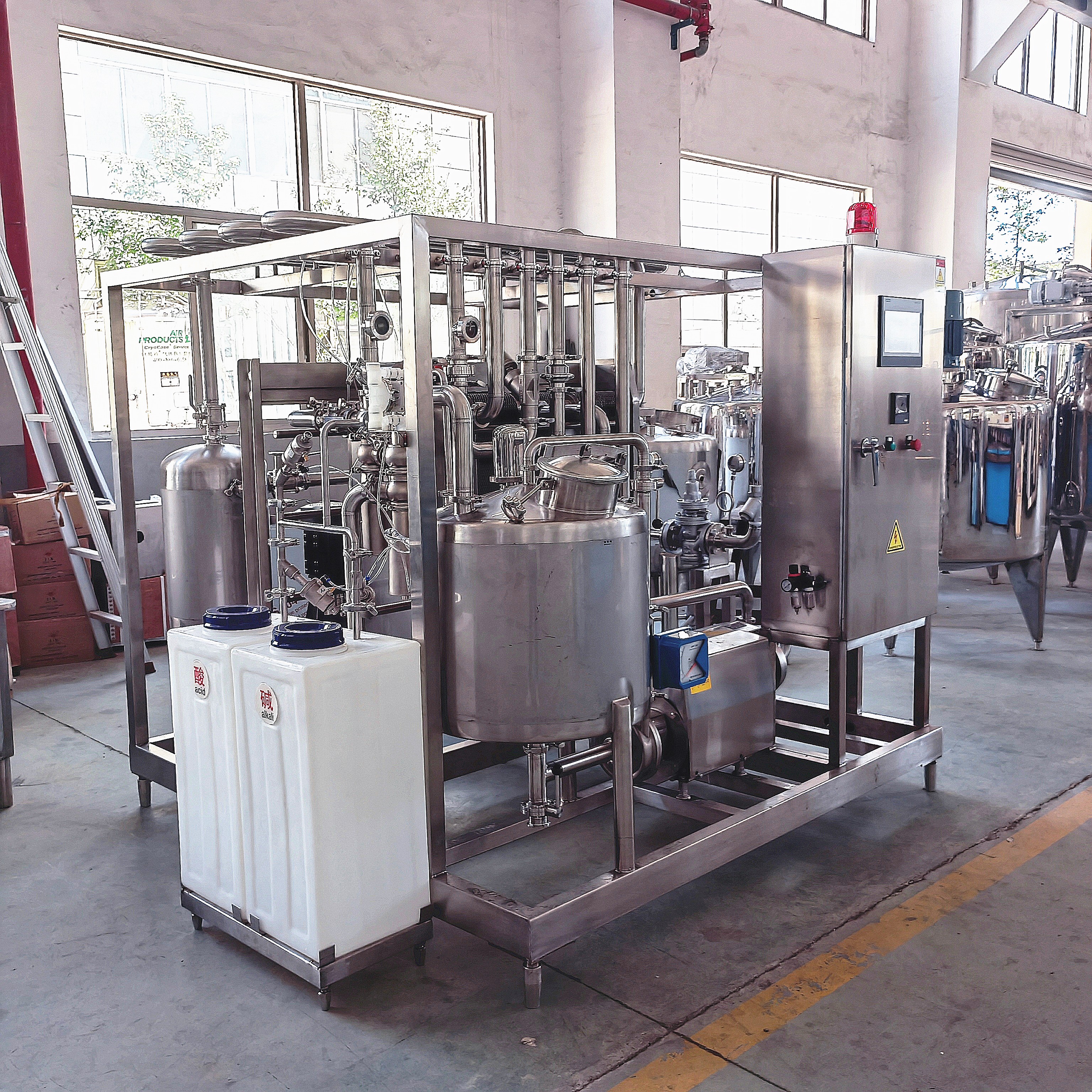
Facility managers constantly balance the demand for higher liquid processing volumes against strict microbial safety standards. Scaling up production exposes the severe limitations of traditional batch processing. Heating, holding, and cooling large static vats consumes massive amounts of energy and requires excessive downtime for manual cleaning. Open-vat transfers introduce significant contamination risks while demanding vast floor space that throttles facility capacity. To resolve these operational bottlenecks, processors turn to continuous-flow systems. Upgrading to modern HTST pasteurization equipment shifts the focus from basic thermal processing to engineered throughput. This technology transforms static operations into an uninterrupted stream, delivering liquid immediately ready for downstream packaging. You will learn exactly how these systems operate, the mechanics behind their efficiency, and the steps required to implement them effectively on the plant floor.
Evaluating production throughput requires establishing clear baseline metrics on the plant floor. Facility operators must measure actual liters per hour processed during active shifts, excluding setup and sanitation phases. Energy consumed per cycle dictates the thermal efficiency of the operation and directly impacts utility loads. Active processing time must be weighed against mandatory downtime for cleaning, product changeovers, and maintenance. Finally, Work-In-Progress (WIP) inventory levels indicate how much raw product sits idle in storage tanks waiting for thermal treatment. High throughput demands maximizing active processing time while minimizing energy waste and idle inventory.
To accurately assess current bottlenecks, plant engineers track these specific performance indicators:
Batch processing relies on heating, holding, and cooling large volumes of liquid inside static, jacketed vats. This method presents severe mathematical and operational disadvantages. Heating a 2,000-liter vat from 4°C to a pasteurization temperature of 63°C takes considerable time, often exceeding 45 minutes depending on boiler capacity. Holding the liquid at that temperature extends the cycle by another 30 minutes. Cooling the same volume back down to 4°C requires massive energy draw from chilling systems and adds another 45 to 60 minutes to the cycle.
Between these thermal cycles, operators must manually empty the vat, rinse it, apply cleaning chemicals, scrub the agitators, and sanitize the interior surfaces. This labor-intensive transition creates hours of unproductive downtime. Furthermore, open-vat transfers expose the product to airborne pathogens and environmental contaminants. These inherent contamination risks force facilities to implement redundant quality checks and frequent microbiological swabbing, further slowing down the production schedule.
Batch Processing Time Loss Analysis
| Process Phase | Time Required (2,000L Vat) | Operational Impact |
|---|---|---|
| Fill Time | 15 minutes | Idle thermal equipment |
| Heating Phase | 45 minutes | High peak steam demand |
| Holding Phase | 30 minutes | Zero throughput generation |
| Cooling Phase | 60 minutes | High peak chiller demand |
| Empty and Transfer | 20 minutes | Exposure to airborne contaminants |
| Manual Washdown | 45 minutes | Complete halt of production |
High-Temperature Short-Time systems shift production entirely to a closed-loop, continuous stream. Raw liquid enters the balance tank and is immediately drawn into the system at the exact same rate that finished product exits the cooling section. The fluid moves through distinct heating, holding, and cooling zones without ever stopping or pooling in a static vessel. This eliminates the start-stop nature of batch cycles.
The pasteurized liquid emerges at the correct target temperature and routes directly to filler bowls or sterile holding tanks. Processing lines run continuously for hours without breaking the production cycle, drastically increasing daily output. This continuous flow paradigm allows facilities to meet high-volume retail demands without expanding their physical footprint or adding additional shifts to the production schedule.
The core of continuous thermal processing relies on the Plate Pasteurizer. This component consists of tightly compressed, corrugated stainless steel heat exchange plates suspended on a carrying bar. The engineering behind these plates dictates the speed and efficiency of heat transfer. The system utilizes a counter-current flow mechanism. Raw product flows across one side of a plate in an upward direction. The heating or cooling media flows in the exact opposite downward direction on the reverse side of that same plate.
The corrugated patterns, often stamped in specific chevron angles, maximize surface area and force the liquid into a turbulent flow state. Turbulence prevents the liquid from forming a static, insulating boundary layer against the metal surface. High-theta plates create aggressive turbulence for rapid heat transfer, while low-theta plates reduce pressure drops for thicker liquids. This engineered turbulence accelerates heat transfer, drastically reducing the time required to reach target pasteurization temperatures compared to the slow convection currents inside a batch vat.
Maintaining high throughput requires preventing system-wide contamination events. The Flow Diversion Valve acts as the primary fail-safe mechanism in any continuous system. Temperature sensors, specifically the Safety Thermal Limit Recorder (STLR) probe, continuously monitor the liquid exiting the holding tube. If the system detects product that falls even a fraction of a degree below the legal limit, the FDV triggers instantly via pneumatic actuation.
The valve automatically routes the unpasteurized liquid back to the raw product balance tank. This prevents any unsafe liquid from reaching the regeneration section, the cooling section, or the downstream packaging line. The diversion happens without requiring a complete production shutdown or manual intervention. Once the boiler catches up and the temperature recovers to the legal setpoint, the valve shifts forward, resuming normal forward flow. This automation protects overall daily throughput while guaranteeing absolute product safety.
Precise fluid velocity ensures regulatory compliance and consistent microbial kill rates. Positive displacement timing pumps drive the liquid through the system. Unlike centrifugal pumps, which can suffer from fluid slip under high backpressure, positive displacement models (like rotary lobe or gear pumps) push a fixed volume of liquid with every rotation. They ensure a precise, verifiable flow rate regardless of the pressure resistance generated by the plate pack.
The liquid then enters the holding tube. Engineers mathematically size this stainless steel tube based on the maximum volumetric output of the timing pump. The length and diameter guarantee the exact required holding time at maximum flow velocity. For example, standard dairy applications require a strict 15-second hold at 72°C. The combination of the sealed timing pump and the precisely measured holding tube guarantees this exposure time without slowing down the continuous stream.
Scaling up liquid processing volumes requires strict control over utility consumption. Modern continuous systems utilize a regenerative heating and cooling cycle that drastically cuts boiler and chiller loads. Hot, fully pasteurized product exits the holding tube and enters the regeneration section of the plate pack. It flows past incoming cold raw product, separated only by 0.5mm thick stainless steel plates.
The hot liquid pre-heats the raw liquid. Simultaneously, the raw liquid pre-cools the hot liquid. This counter-current heat exchange recovers up to 95% of the thermal energy already put into the system. If raw milk enters at 4°C and needs to reach 72°C, the regeneration section might heat it to 68°C using only the heat from the outgoing milk. The plant's boiler only needs to provide the final 4°C of temperature adjustment. Likewise, the chiller only needs to cool the outgoing milk from 8°C down to 4°C. This massive energy recovery directly improves operating margins when running high-throughput shifts.
Utility Load Reduction via Regeneration
| System Type | Boiler Load (Heating) | Chiller Load (Cooling) | Energy Recovery |
|---|---|---|---|
| Standard Batch Vat | 100% of thermal demand | 100% of thermal demand | 0% |
| HTST (No Regen) | 100% of thermal demand | 100% of thermal demand | 0% |
| HTST (80% Regen) | 20% of thermal demand | 20% of thermal demand | 80% |
| HTST (95% Regen) | 5% of thermal demand | 5% of thermal demand | 95% |
Physical space directly limits production capacity on the plant floor. A high-capacity plate heat exchanger occupies a fraction of the square footage required by multiple batch vats. Vats require wide horizontal clearance for operation, maintenance access, and manual cleaning. A 2,000-liter vat takes up significant floor space, and achieving 10,000 liters per hour would require a massive battery of these vessels.
Plate systems stack vertically, compressing hundreds of square meters of heat transfer surface area into a compact steel frame. Replacing vats with continuous flow equipment immediately frees up facility floor space. Plant managers utilize this recovered area to integrate additional packaging machinery, install automated cartoners, or add secondary processing lines. Optimizing the physical footprint allows facilities to double or triple their output without pouring new concrete or constructing facility expansions.
Sanitation downtime destroys production throughput. Manual cleaning requires operators to disassemble pipes, climb into vats with brushes, and visually inspect surfaces. Automated Cleaning-in-Place (CIP) systems interface directly with HTST equipment to eliminate this manual labor. The CIP system pumps water, caustic soda, and nitric acid through the exact same closed-loop path as the product.
To achieve proper sanitation, the CIP pump drives the chemical solutions at a velocity of 1.5 to 2.0 meters per second. The turbulent flow generated by the corrugated plates ensures thorough mechanical scouring action, stripping away burned-on proteins and mineral scale. Automated CIP reduces sanitation turnaround times between different product runs from hours to minutes. Faster, verifiable cleaning directly increases active production hours, allowing facilities to process more volume per day.
Regulatory bodies like the FDA and the Pasteurized Milk Ordinance (PMO) enforce strict processing standards to protect public health. High-velocity production must prove compliance for every single drop of liquid that passes through the system. This requires verifiable, continuous data logging. Modern HTST Pasteurization Equipment automates this reporting through digital chart recorders and PLCs.
These recorders track temperature and flow rate second by second, creating an immutable legal record of the production run. State regulators physically apply wire seals to the timing pumps to prevent operators from unauthorized speed increases that would shorten the holding time. The automated flow diversion valve guarantees that no under-processed liquid ever advances to the filler. Automating these safety protocols prevents compliance-related production halts, eliminates human error in temperature logging, and simplifies regulatory audits.
High-volume processing often forces a trade-off between microbial safety and product quality. Prolonged heating in batch vats degrades delicate flavor profiles, destroys heat-sensitive vitamins, and alters liquid color through the Maillard browning reaction. The "short time" aspect of flash pasteurization solves this problem entirely.
Applications like milk, dairy, and low-viscosity juices benefit immensely from rapid thermal cycling. The system spikes the temperature just long enough to achieve the required decimal reduction time (D-value) to kill harmful pathogens like Coxiella burnetii and slow spoilage microbes. The liquid then cools instantly in the regeneration and chilling sections. This targeted microbial action preserves the natural flavor, mouthfeel, and nutritional integrity of the product. Better quality retention extends shelf life in the retail cold chain and ultimately reduces costly product waste.
Adopting continuous flow technology requires specific facility infrastructure. The equipment relies heavily on external plant utilities to function. Facility managers must conduct a thorough utility audit before installation. The plant boiler must provide sufficient steam pressure (typically 3 to 5 bar) or hot water capacity for the final heating section. The refrigeration system must supply adequate chilled water or propylene glycol (typically at 1°C to 2°C) for the final cooling stage.
The facility needs specific three-phase electrical drops to power the timing pumps, centrifugal booster pumps, and control panels. Furthermore, the automated pneumatic valves require a dedicated supply of clean, dry compressed air meeting ISO 8573-1 standards. Failing to upgrade these utilities will bottleneck the new equipment immediately, causing temperature drops and constant flow diversions.
Selecting the correct system size dictates long-term operational success. Under-sizing the equipment creates an immediate production bottleneck, forcing the system to run constantly just to meet current daily demand, leaving no room for maintenance or CIP. Conversely, over-sizing the system leads to severe operational inefficiencies.
An oversized unit processes the daily volume too quickly, resulting in short production runs. Short runs waste product during the water-to-product start-up and product-to-water shut-down phases. They also force the facility to run excessive CIP cycles for very small batches, wasting water, thermal energy, and expensive chemicals. Operators must calculate their daily volume, divide by target shift hours, and add a realistic 20% margin for future growth to determine the optimal continuous flow rate.
Upgrading to automated processing shifts the workforce requirement from manual labor to technical oversight. Operators must learn to navigate digital HMI control panels, interpret sensor data, acknowledge alarms, and troubleshoot pneumatic valves. Maintenance demands also shift from scrubbing vats to precision mechanical work.
Technicians must perform strict preventative maintenance on the heat exchanger. The rubber gaskets (typically EPDM or NBR) sealing the plates degrade over time due to chemical exposure and thermal cycling, requiring scheduled replacement. The plate pack must be tightened to a specific manufacturer-defined measurement (the A-dimension). Over-tightening crushes the plates, while under-tightening causes leaks. The flow diversion valve requires routine microswitch calibration to ensure rapid response times. Ignoring these maintenance demands leads to unplanned downtime and potential cross-contamination between raw and pasteurized channels.
A: Standard flow rates typically range from 1,000 to over 50,000 liters per hour. The exact capacity depends entirely on the physical size of the plate heat exchanger, the number of plates installed, and the sizing of the positive displacement timing pump driving the liquid.
A: It utilizes a thermal regeneration section. Outgoing hot, pasteurized liquid flows past incoming cold, raw liquid, separated by thin stainless steel plates. This counter-current flow transfers heat from the hot liquid to the cold liquid, recovering up to 95% of the thermal energy required for the process.
A: The system relies on an automatic Flow Diversion Valve (FDV). If sensors detect the temperature falling below the legal limit, the FDV instantly triggers. It routes the under-processed product back to the raw balance tank, ensuring zero unpasteurized liquid reaches the filler line.
A: An HTST system requires significantly less floor space. Plate heat exchangers utilize a vertical, compact design that compresses massive surface area into a small footprint. Achieving the same throughput with batch processing requires multiple massive vats, consuming vastly more horizontal floor space.
A: Standard plate configurations struggle with highly viscous liquids or products containing large particulates. Thick liquids create excessive backpressure and uneven heating. For high-viscosity applications, processors should evaluate scraped-surface or tubular heat exchangers rather than standard corrugated plates.
A: Facilities generally see a return on investment within 12 to 36 months. This rapid payback period is driven by massive energy savings from thermal regeneration, severe reductions in manual labor, and the ability to process significantly higher daily volumes.