
Views: 0 Author: Site Editor Publish Time: 2026-10-11 Origin: Site


Investing in a commercial dairy production line is a massive financial commitment. Even the most sophisticated machinery remains only as capable as the personnel managing it. Facility managers frequently express concern regarding their floor staff adapting to highly complex automated technology. Left unaddressed, this knowledge gap inevitably leads to costly operational downtime, spoiled product batches, and severe workplace safety hazards.
Recent market intelligence indicates a rapid acceleration toward Industry 4.0 within the global dairy sector. Processing facilities are adopting smart sensors, automated valve matrices, and inline diagnostics at unprecedented rates. Consequently, a severe skills gap has emerged across the industry. Veteran operators with decades of biochemical intuition are retiring. Meanwhile, incoming technicians often lack the specific fluid dynamics expertise required for cultured dairy. This industry shift dictates that a reputable yogurt processing equipment supplier must provide comprehensive educational frameworks. Securing premium hardware is merely the initial phase. Equipping your workforce with the empirical knowledge to command that hardware dictates ultimate manufacturing success.
Procuring commercial dairy systems differs wildly from acquiring standard industrial tools. Cultured dairy manufacturing demands an intimate understanding of thermal processing parameters and rigorous food safety protocols. A skilled technician does not merely push buttons. They actively manage a delicate biochemical ecosystem.
Modern supplier training programs have pivoted significantly to address the modern manufacturing landscape. They no longer focus solely on manual labor. Instead, they aim to elevate floor staff into process managers. These managers oversee digital interfaces, interpret real-time sensor data, and respond proactively to automated system alerts.
Hygiene dictates survival in the dairy sector. A competent vendor dedicates a massive portion of their syllabus to Clean-in-Place and Sterilize-in-Place protocols. Staff must understand precise chemical concentrations. This involves balancing caustic soda for butterfat removal and nitric acid for mineral scale dissolution. Furthermore, operators must maintain the required flow velocities—typically above 1.5 meters per second—to achieve true pipeline sterilization. Mastering the underlying mechanics of the cleaning system prevents dangerous bacterial contamination. This ensures the final product consistently meets stringent regulatory health standards.
Incorrect operation causes severe and immediate mechanical stress. Starting a centrifugal pump against a closed valve causes dead-heading. This specific error leads to fluid boiling and catastrophic mechanical seal failure within minutes. Professional instructors teach standard preventative maintenance routines. They ensure operators understand the physical limits of pneumatic valves, sanitary pumps, and homogenization motors. Recognizing the difference between normal operational vibrations and the high-pitched whine of a failing bearing allows staff to intercept issues before they trigger massive breakdowns.
Human error remains the leading cause of ruined batches. A technician might miscalculate a holding time or ignore a subtle pressure drop on the Human-Machine Interface. When this happens, thousands of liters of premium raw milk can be lost to the drain. Comprehensive instruction ensures your team can quickly identify minor process deviations. They learn to correct these anomalies smoothly without halting the entire production sequence.
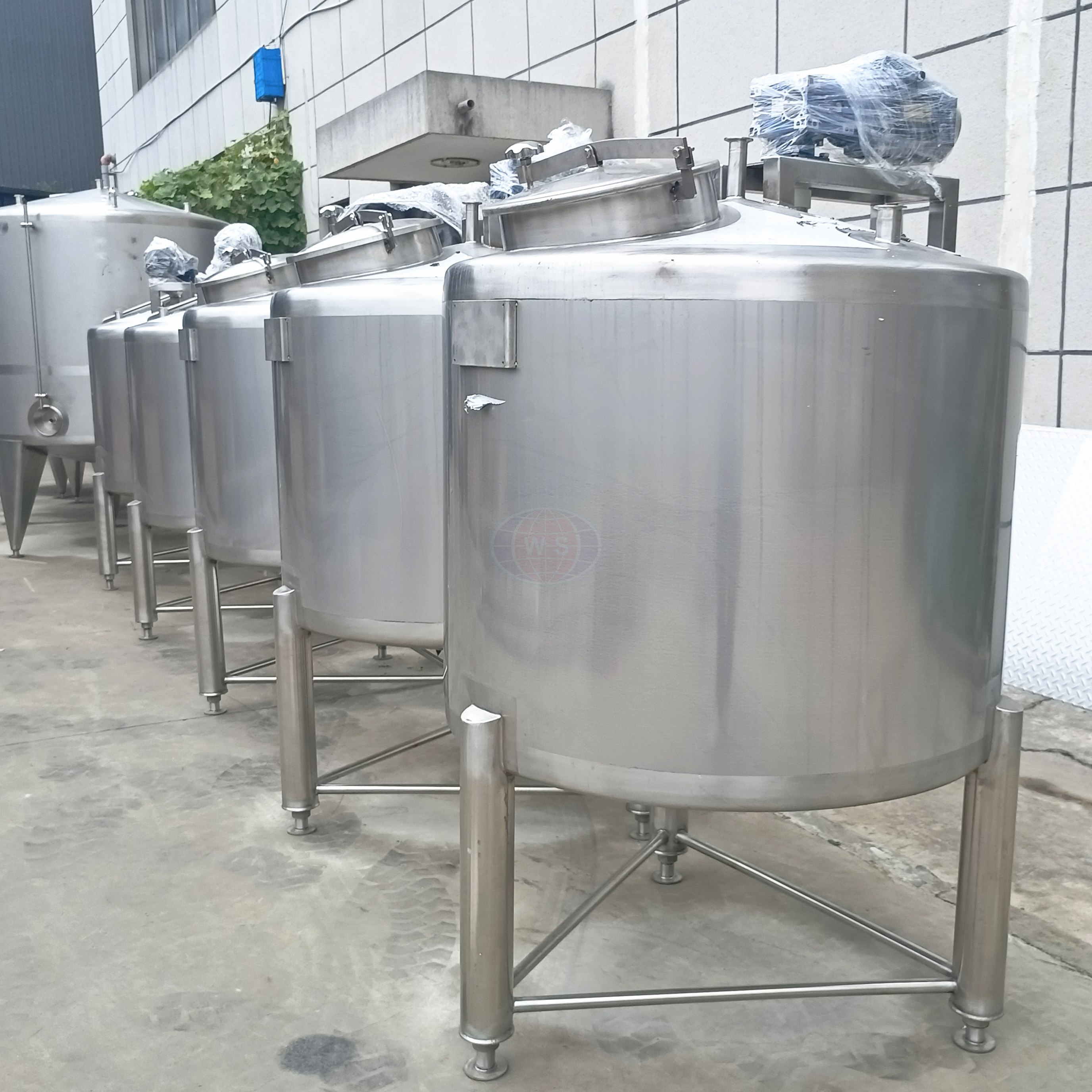
A top-tier manufacturer does not simply hand over a dense technical manual and walk out the door. They utilize a structured syllabus designed to build competence and confidence among your local workforce. This operator training bridges the gap between theoretical microbiology and practical mechanical execution.
Education typically commences in a classroom setting. Instructors focus on the fundamental physics of dairy processing. Operators learn the exact reasons behind specific pasteurization temperatures and homogenization pressures. Once this foundational theory is established, instruction shifts to the factory floor. Operators practice the tactile sequence of opening manual bypass valves while simultaneously decoding complex alarm matrices on the digital touchscreens.
Consistency is the hallmark of successful scaling. Instructors drill staff strictly according to documented Standard Operating Procedures. These step-by-step guides dictate the exact sequence of actions required for cold start-ups, continuous mid-shift running operations, and end-of-day cleaning phases. Adhering relentlessly to these procedures ensures batch-to-batch uniformity.
Even perfectly maintained facilities experience unexpected anomalies. Robust curriculums rigorously simulate emergency scenarios. Operators learn exactly what sequential steps to take during sudden facility power outages, unexpected compressed air drops, or critical temperature sensor failures. This preparation mitigates immediate risks to both personnel and expensive hardware.
Biological fermentation is a highly delicate transformation. Engineering teams dedicate a substantial portion of their on-site schedule specifically to the yogurt fermentation tank. It serves as the undeniable heart of the entire operation.
Different lactic acid bacteria strains require highly specific thermal profiles to thrive. Thermophilic cultures demand strict adherence to the 40 to 45 degrees Celsius range. Operators learn to finesse the automated dimple cooling jackets built into the SUS304 stainless steel vessels to maintain this sweet spot. Specifically, they are taught the critical nature of agitation control. The cultured curd is incredibly fragile. Operators learn to utilize the frame agitator at higher speeds for initial inoculation. They then transition to a slow, gentle stir—typically around 36 revolutions per minute—to avoid shattering the curd structure. Shattering the curd inevitably causes watery whey separation.
The precise moment starter cultures are introduced into pasteurized milk represents a high-risk window for airborne contamination. Instructors demonstrate sterile inoculation practices. They show staff how to utilize aseptic sampling valves and sanitary dosing ports. This strict protocol ensures wild ambient yeast or mold spores do not infiltrate the controlled environment.
The culturing process is dictated by acidity rather than a stopwatch. Staff are trained to read automated inline pH sensors and manually verify those readings using handheld titration instruments. They learn to identify the exact target pH, which is typically around 4.5. Reaching this metric signals the immediate need to crash-cool the batch. Rapidly flooding the vessel jacket with chilled water arrests bacterial activity. This locks in the desired flavor profile before the product becomes overly tart.
Modern commercial facilities rely on interconnected continuous lines. Focusing on a single standalone yogurt machine is insufficient. The workforce must understand how upstream fluid adjustments directly impact downstream packaging efficiency.
Raw milk must be standardized before culturing begins. Operators receive hands-on practice with centrifugal separators and high-pressure homogenizers. They learn to calibrate the fat-to-protein ratio. Furthermore, they adjust the homogenizer bar pressure—often pushing 200 bar—to obliterate fat globules. This guarantees a smooth mouthfeel without an unappealing cream layer forming at the top of the retail cup.
Thermal treatment acts as a non-negotiable Critical Control Point. Staff are educated on the intricate flow dynamics of plate heat exchangers and holding tubes. They learn to monitor legal thermal limits. In cultured dairy, temperatures are often elevated to 90 or 95 degrees Celsius for 5 minutes to properly denature whey proteins. Operators also learn how to react if the flow diversion valve automatically triggers due to a sudden temperature drop.
Downstream packaging equipment requires an entirely different set of mechanical aptitudes. Training shifts to mastering cup denesters, volumetric piston fillers, and foil sealers. The focus here becomes highly mechanical. Technicians practice adjusting timing belts and aligning packaging film precisely over the cups. They calibrate filling nozzles to ensure strict weight accuracy. This prevents costly product giveaway while maintaining a hermetic, food-safe seal.
Delivering complex engineering education to a global clientele requires logistical flexibility. Leading manufacturers utilize multiple phases of engagement to ensure long-term knowledge retention.
| Training Phase | Location | Core Focus | Key Advantage |
|---|---|---|---|
| Factory Acceptance Testing | Supplier Facility | Software layout, machine architecture inspection | Low-stress environment before shipping |
| Site Acceptance Testing | Customer Plant | Live utility integration, real raw milk processing | Hands-on mastery under actual production conditions |
| Remote & Augmented Reality | Digital/Cloud | Advanced troubleshooting, software updates | Instant global engineering support without travel delays |
The most vital educational phase occurs during Site Acceptance Testing. The vendor dispatches specialized commissioning engineers directly to your facility. These experts train your entire local team utilizing your actual boiler steam, chilled water utilities, and local raw milk. This real-world crucible is where staff truly master the idiosyncrasies of the hardware.
Initial commissioning is vital, yet education is never a singular event. The long-term efficiency of a manufacturing plant relies heavily on the vendor commitment to customer success. Premium after sales services bridge the gap between day-one operations and year-ten profitability.
Immediate intervention is required when an unfamiliar alarm paralyzes the production line. Modern services frequently feature secure remote diagnostic capabilities. With facility authorization, the supplier software team can log directly into the plant Programmable Logic Controller. They view the exact sensor data the local operator is seeing. The engineer then guides the operator step-by-step through the resolution process.
Routine upkeep remains a core responsibility of the floor staff. Support teams provide essential visual guidance on identifying wear and tear. They instruct personnel on the sanitary procedures for replacing consumable parts. This includes swapping out heat exchanger EPDM rubber gaskets or calibrating inline pH probes. Proper guidance ensures the machinery remains in pristine condition without voiding warranties.
Facility directors currently comparing different equipment bids must evaluate the proposed educational curriculum. This evaluation is just as critical as analyzing the machinery stainless steel specifications or pump capacities.
Demand transparency during the contract negotiation phase to avoid hidden operational costs. Ask specific engineering questions. Clarify if comprehensive on-site instruction is included in the baseline quoted price, or if it incurs additional daily engineering fees. Furthermore, determine exactly how many total days of hands-on shadowing the commissioning engineers will provide before signing off on the project.
Vendor documentation directly reflects their commitment to user success. Request sample operation manuals prior to purchasing. Ensure they provide clear, highly visual, and logically structured procedures rather than dense generic blueprints. Confirm that all software interfaces and physical manuals will be accurately translated into your operator native language to prevent dangerous miscommunications.
A reliable equipment manufacturer acts as a long-term strategic partner rather than a transactional vendor. The safety, throughput, and profitability of your facility rely entirely on their ability to effectively educate your local workforce. This education must cover every component, from the initial raw milk separator to the final foil sealer.
Investing in advanced hardware backed by exceptional pedagogical frameworks and relentless remote support is the most prudent method to protect your capital expenditure. Prioritizing a supplier who champions operator empowerment will ultimately yield superior batch consistency and a dominant edge in the competitive dairy market. For facilities looking to upgrade their production capabilities with fully supported, engineering-grade systems, exploring the comprehensive solutions at Wfoodmachinery ensures your workforce and your hardware perform at peak efficiency.
It depends entirely on the specific terms of the procurement contract. Most reputable manufacturers include basic commissioning and initial instruction in the baseline purchase price. Extended on-site shadowing periods, subsequent follow-up visits, or highly specialized Augmented Reality training modules may incur additional travel expenses and daily engineering rates. Clarifying these terms during the initial negotiation phase is imperative.
Personnel who already possess foundational dairy processing experience might require 3 to 5 days of intensive hands-on instruction during the Site Acceptance Testing phase. Conversely, vendors generally recommend a more extensive one to two-week comprehensive period for completely inexperienced staff. This longer duration covers basic fluid dynamics theory, chemical safety protocols, and standard daily operation.
While prior experience in fluid dynamics or food safety is highly beneficial, it is not strictly mandatory if the supplier provides a robust training program. Premium vendors design their curriculums to take a novice from basic theoretical microbiology all the way to advanced Human-Machine Interface navigation. However, facilities hiring inexperienced staff should negotiate longer on-site commissioning periods to ensure knowledge retention.
Leading equipment suppliers provide formalized training matrices and certification logs upon completion of the commissioning phase. These documents detail exactly which operators have been trained on specific Critical Control Points, such as pasteurization thermal limits and chemical cleaning concentrations. Facility managers can present these logs during FDA or local health authority audits to prove the staff is fully qualified to manage food-safe operations.
This scenario highlights the critical importance of strong ongoing support. Top-tier vendors mitigate this risk by providing detailed standard operating procedures, comprehensive video tutorials, and highly visual user manuals. Many manufacturers also offer remote refresher webinars. They can also dispatch a specialized engineer to your facility for a dedicated re-training session designed specifically to bring new hires up to speed quickly.
Yes, this is a standard and expected practice in global manufacturing. International suppliers typically program their touchscreen interfaces to support multiple local languages. They will either dispatch bilingual commissioning engineers or work closely alongside local technical translators for the physical on-site instruction. This ensures all critical safety protocols and operational nuances are perfectly understood by the floor workforce.