Call Us
+86-15800763021
Send Us
Add
775 Chihua Road, Zhelin Town, Fengxian District, Shanghai
- All
- Product Name
- Product Keyword
- Product Model
- Product Summary
- Product Description
- Multi Field Search
Views: 0 Author: Site Editor Publish Time: 2026-10-09 Origin: Site

The dairy processing industry operates at a relentless pace. Plant managers constantly seek reliable methods to maximize production yield. Scaling up operations inevitably brings up a critical logistical question regarding equipment endurance. Can the machinery handle continuous overnight processing without compromising safety?
Operating heavy machinery during the dark hours presents unique engineering challenges. Night shift operators face equipment fatigue. They must also mitigate invisible bacterial buildup while adhering to unforgiving hygiene regulations. A Pasteurized Milk Processing Line technically possesses the capability to run overnight. However, executing this safely is not simply about leaving the power on. It demands a delicate orchestration of automated equipment, rigorous Standard Operating Procedures, and strict cleaning schedules to guarantee product integrity.
This comprehensive technical guide explores the realistic feasibility of overnight milk processing. We will examine the mechanical endurance of critical equipment and the non-negotiable nature of sanitation. Furthermore, we will detail how continuous operation ultimately impacts the longevity of your dairy products from an engineering perspective.
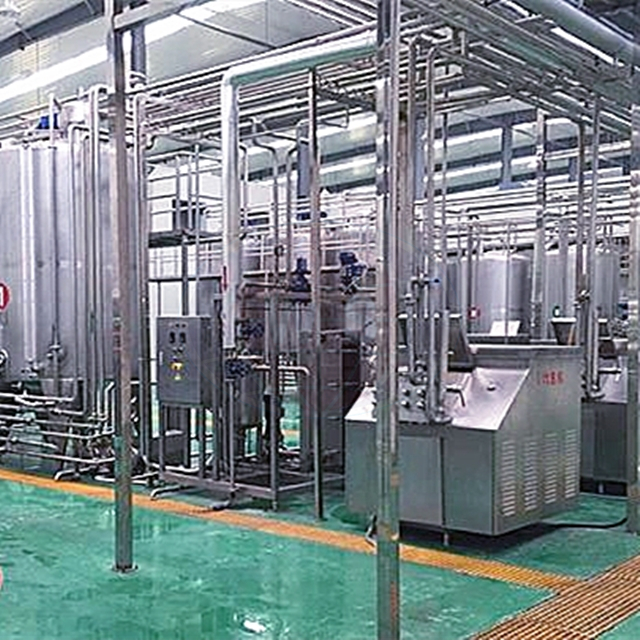
Before analyzing the logistics of an overnight run, it is crucial to understand the machinery carrying the load. A standard continuous processing setup is an interconnected system of thermal and mechanical modules. These units are designed to heat, cool, and package dairy seamlessly.
Serving as the central thermal processing unit, the Plate Pasteurizer is where the critical safety work occurs. Most commercial overnight operations utilize the High-Temperature Short-Time method. This involves continuously pumping raw milk through a series of corrugated stainless-steel plates. The system rapidly heats the liquid to a precise range of 72 to 85 degrees Celsius for exactly 15 seconds to eliminate pathogenic bacteria.
Thermal regeneration is a vital feature for extended shifts. Modern plate heat exchangers cleverly use the heat from the already-pasteurized milk to pre-heat the incoming cold raw milk. This counter-current exchange can recover up to 90 percent of thermal energy. Specifically, this significantly reduces the boiler fuel consumption during a grueling 16-hour overnight run. However, this continuous heating accelerates mineral deposits, demanding robust engineering and premium gasket materials to prevent pressure drops.
Immediately following pasteurization, the fluid must be cooled to halt the reproduction of any surviving spoilage organisms. The chilling module is responsible for rapidly dropping the product temperature back below 4 degrees Celsius.
During a night shift, the Milk Chiller operates under a sustained heavy load. Continuous processing demands heavy-duty compressors and highly efficient secondary cooling loops. These loops often utilize food-grade propylene glycol. If the chilling unit is undersized, the compressors can overheat. Heat exchanger plates may even freeze shut, abruptly halting the entire factory floor.
The final stage of the continuous circuit is packaging. The filling apparatus receives the chilled safe milk and seamlessly seals it into bottles, cartons, or aseptic pouches.
Running overnight almost always means operating with a skeleton crew. Consequently, modern systems rely heavily on automation. A high-quality Filling Machine features enclosed chambers equipped with HEPA air filtration and automated UV sterilization. These additions drastically reduce the risk of ambient contamination. By minimizing human intervention, these automated systems maintain sterile conditions even when fewer operators are present.
The direct answer is yes. However, it is rarely a literal uninterrupted run without systemic intervention. Operating safely in the dark hours requires a fundamental shift from manual oversight to algorithmic control.
Consider the factory floor during a graveyard shift. While physical workforce presence is minimal, industrial programmable logic controllers remain highly active. These systems continuously monitor flow rates across the entire circuit. They track internal pressures and temperature fluctuations with pinpoint accuracy.
A critical safety component managed by the programmable logic controller is the Flow Diversion Valve. If smart sensors detect that the internal temperature has dropped even a fraction of a degree below the legal limit, the valve instantly redirects the sub-legal fluid back to the raw milk balance tank. This automated fail-safe ensures that no unpasteurized product ever reaches the packaging phase.
Analyzing current industry dynamics reveals a distinct shift toward off-peak production. Surging global dairy demand and fluctuating peak-hour utility costs are driving this change. Modern facilities are increasingly adopting lights-out manufacturing principles. Market analyses indicate that processors who leverage overnight automation offset high daytime energy rates effectively. They also achieve measurable increases in Overall Equipment Effectiveness. Advancements in sensor technology have made these extended runs safer than ever. Overnight processing has transitioned from a high-risk endeavor into a competitive necessity for mid-to-large scale dairies.
The primary barrier preventing a single processing circuit from running indefinitely without stopping is biological. Milk is a nutrient-dense fluid. Heating it creates inevitable residue on the internal components.
As milk is subjected to high temperatures, heat-sensitive whey proteins denature. Calcium phosphate precipitates out of the liquid. These compounds aggressively adhere to the hot stainless-steel plates. They create a stubborn insulating layer known as milk stone or fouling.
Over an extended overnight shift, this fouling layer thickens. It drastically reduces the heat transfer efficiency of the plates. The system is forced to consume more energy to reach safe temperatures. Furthermore, milk stone provides a microscopic matrix where heat-loving bacteria can anchor and form resilient biofilms. If left unchecked, these biofilms will eventually break off and contaminate the sterile product flow.
International dairy industry regulations strictly dictate maximum continuous run times due to the severe risks associated with fouling. Guidelines derived from the Pasteurized Milk Ordinance typically mandate that High-Temperature Short-Time systems must be shut down and thoroughly washed every 9 to 12 hours of continuous operation.
Dairies utilize automated Clean-in-Place systems to accommodate overnight production schedules without violating these critical regulations. A programmed sequence cycles water rinses and hot alkaline washes to dissolve proteins. Acid washes follow to remove mineral scale through the closed system. This allows the night shift crew to initiate a mandatory hands-free cleaning cycle with the push of a button.
Choosing the right equipment is paramount for successful overnight processing. Standard entry-level machines will quickly degrade under the stress of a 24-hour cycle. Plant managers must evaluate their production goals and select machinery built for endurance.
When configuring a line for extended shifts, prioritize material grade. Ensure all product-contact surfaces utilize SUS316L stainless steel for maximum corrosion resistance against harsh cleaning chemicals. Look for processing lines offering capacities that match your raw milk intake. Common industrial capacities range from 500 liters per hour up to 10000 liters per hour.
In addition, verify the thermal regeneration efficiency. A system offering 90 percent heat recovery will save substantial boiler fuel costs during a long night shift. Pay close attention to the automation package. Siemens or PLC-based control panels with touchscreen interfaces are essential for unattended overnight monitoring.
| Operational Model | Typical Capacity | Cleaning Requirement | Equipment Setup | Best Suited For |
|---|---|---|---|---|
| Extended Shift | 500 to 2000 Liters per Hour | Mandatory wash after 10 hours | Single Processing Line | Mid-sized regional dairies maximizing daily yield |
| True Continuous | 5000 to 10000 Liters per Hour | Zero downtime pivoting | Dual Redundant Lines | Large commercial plants with massive raw milk supply |
The ultimate goal of processing milk is to ensure consumer safety while maximizing longevity. Pushing machinery through the night has direct measurable implications for the final product stability.
Extending the Shelf Life of pasteurized milk relies entirely on an unbroken rigorous cold chain. Heat treatment eliminates pathogens but does not achieve commercial sterility. Some harmless thermoduric bacteria will always survive the heating process.
If an overworked chilling system struggles to maintain optimal temperatures during a long overnight run, the milk may enter the packaging phase slightly warmer than intended. Research indicates that every single degree above 4 degrees Celsius can exponentially increase bacterial replication rates. Consequently, poor overnight temperature control can potentially cut the milk freshness window in half.
The ambient environment surrounding the packaging zone is another critical variable. Factory temperatures can fluctuate during night shifts. Airborne particulate settling patterns change as foot traffic decreases on the floor.
The filling zone must maintain positive air pressure with highly filtered air to protect the product. Advanced add-ons like Extended Shelf Life microfiltration create a physical barrier against ambient spores and yeasts. When properly calibrated before the night shift begins, these systems ensure that the milk sealed at dawn possesses the exact same quality as a batch packaged at noon.
Successful overnight processing is not merely about turning the machines on and walking away. It requires rigorous and well-documented Standard Operating Procedures tailored for the night crew.
Maintenance personnel must perform systematic preventative checks before the transition to the night shift. This includes inspecting heat exchanger gaskets for micro-leaks. Technicians must verify refrigerant levels and ensure boiler steam pressure remains stable at specific operational bar ratings.
Operators must also pay specific attention to the pneumatic systems. Moving parts require proper lubrication. Packaging consumables like caps and carton blanks must be fully restocked. Volumetric sensors need strict calibration. Thorough preventative maintenance is the only reliable way to avoid catastrophic jams when fewer mechanics are on duty.
Overnight processing requires a steady continuous supply of raw material. Milk collected from late evening milkings must be stored in large highly insulated silo tanks.
Operating procedures dictate that these silos must maintain the raw milk below 4 degrees Celsius. They must utilize automated mechanical agitators. If the fluid remains stagnant in the silo while waiting to enter the overnight processing circuit, the milk fat will separate and rise to the top. This leads to inconsistent product composition and potential pump blockages. Proper agitation and pre-cooling are non-negotiable prerequisites for a smooth overnight run.
Running a dairy facility overnight is a highly effective strategy to increase production yield and meet growing market demands. However, it requires a delicate balance of robust machinery, advanced automated technology, and strict adherence to hygiene protocols.
Continuous processing places significant stress on physical equipment and amplifies the risks of bacterial fouling. Dairy processors can safely operate extended shifts by investing in heavy-duty thermal systems and aseptic automated packaging. Deeply respecting mandatory cleaning windows is equally important. Ultimately, mastering the overnight run ensures operational efficiency while guaranteeing a long stable product lifespan for the end consumer.
For plant managers looking to upgrade their facilities for reliable overnight production, selecting the right industrial-grade equipment is the first critical step. Explore high-performance solutions and configure your ideal setup by visiting WFOOD Machinery at https://www.wfoodmachinery.com to ensure your dairy operations remain profitable and safe around the clock.
Most regulatory standards and equipment manufacturers recommend running a continuous system for no more than 8 to 12 hours. After this window, performing a mandatory Clean-in-Place cycle is required to dissolve milk stone and prevent bacterial fouling.
It will not cause damage if the machine is specifically designed for continuous industrial use. Commercial pasteurizers are built to handle heavy thermal loads. They require routine preventative maintenance and regular chemical cleaning to remove internal buildup.
The chilling unit is absolutely critical. If it fails to rapidly cool the liquid to below 4 degrees Celsius immediately after heating, surviving bacteria will quickly multiply. This thermal failure drastically reduces the product freshness window and can lead to premature spoilage.
Modern packaging equipment is highly automated. This means you need fewer operators on the factory floor. However, you still require trained personnel on-site to monitor packaging seal integrity, reload raw materials, and troubleshoot sudden mechanical jams.
Yes, they can benefit through extended evening shifts rather than true continuous operations. Small-scale flow systems can be run later into the night to process larger daily yields. The farmer must follow strict procedures and never skip mandatory cleaning guidelines.
Energy consumption varies by capacity. However, modern industrial lines utilize thermal regeneration technology within the heat exchangers. This design recovers up to 90 percent of the heat from pasteurized milk to warm incoming raw milk, drastically reducing boiler fuel consumption during overnight runs.
Achieving a literal 24-hour operation requires redundant systems. While one processing line runs the night shift, the parallel line undergoes a thorough chemical wash and maintenance check. This dual setup allows the facility to pivot production seamlessly without violating strict sanitation laws.