
Call Us
+86-15800763021
Send Us
Add
775 Chihua Road, Zhelin Town, Fengxian District, Shanghai
- All
- Product Name
- Product Keyword
- Product Model
- Product Summary
- Product Description
- Multi Field Search
Views: 0 Author: Site Editor Publish Time: 2026-08-11 Origin: Site

Scaling cheddar production from artisanal batches to commercial volumes requires transitioning from manual techniques to highly engineered, continuous or semi-continuous processing systems. Dairy processors face the dual challenge of maximizing curd yield and maintaining strict textural consistency while managing sanitation bottlenecks and labor costs. Transitioning from basic open vats to a fully integrated system involves complex fluid dynamics, precise thermal control, and rigorous mechanical handling. Understanding the exact mechanical workflow of a cheddar cheese production line is vital for operations managers and plant engineers evaluating equipment upgrades, assessing facility requirements, and calculating long-term return on investment.
Yield is Mechanically Driven: The efficiency of coagulation vats and curd cutting mechanisms directly dictates whey expulsion rates and final cheese yield, making vat selection a primary financial driver.
Cheddaring Automation Defines Throughput: Moving from manual curd turning to automated cheddaring belts or towers significantly reduces labor costs but requires substantial facility footprint and CapEx.
Sanitation Dictates Uptime: Modern cheese making machines must feature integrated Clean-in-Place (CIP) systems compliant with 3-A Sanitary Standards to minimize downtime between production runs.
Scalability Requires Modular Design: Evaluating equipment based on batch vs. continuous processing capabilities ensures the production line can scale alongside market demand without requiring a complete facility overhaul.
Raw milk arrives at the receiving bay in insulated tankers. Operators connect sanitary hoses and activate positive displacement pumps to move the milk through air eliminators and flow meters into bulk storage silos. These silos feature slow-sweep agitators to prevent cream separation during holding periods. Before processing begins, the milk passes through a centrifugal clarifier to remove somatic cells and physical debris that could compromise the final product quality.
Next, transfer pumps push the milk into the High-Temperature Short-Time (HTST) pasteurizer. Plate heat exchangers raise the milk temperature to 161°F (72°C) for exactly 15 seconds. This thermal treatment destroys pathogens while preserving the structural integrity of the casein proteins. Regenerative heating sections within the HTST unit recover thermal energy, transferring heat from the outgoing pasteurized milk to the incoming raw milk to reduce boiler load.
Standardization follows pasteurization. High-speed centrifugal separators divide the milk into skim and cream streams. In-line blending valves then remix these streams to achieve a precise fat-to-protein ratio, typically around 0.70 to 0.72 for standard cheddar. Hitting this exact ratio guarantees consistent moisture levels and fat retention in the final cheese block. Denatured whey proteins interfere with the rennet coagulation process, so maintaining strict temperature limits during pasteurization remains an absolute requirement.
The standardized milk flows into temperature-controlled coagulation vats. Modern facilities rely on fully enclosed Double-O vats or horizontal cylindrical vats. These designs maximize heating surface area and optimize agitation patterns. Once the vat fills, automated dosing systems inject mesophilic starter cultures. These bacteria consume lactose and produce lactic acid, steadily dropping the milk's pH. Operators monitor this acidification curve closely using in-line pH sensors.
When the pH reaches the target setpoint, dosing pumps inject rennet. The rennet enzymes cleave the kappa-casein hairs on the milk protein micelles, causing them to bond together and form a solid gel matrix. The milk sits undisturbed during this set time, which usually lasts 30 to 45 minutes. The vat jacket maintains a steady temperature using warm water rather than direct steam to prevent localized scalding of the milk proteins.
Once the gel achieves the correct firmness, the cutting phase begins. The vat's agitator shafts reverse direction, pushing sharpened wire knives or specialized cutting blades through the coagulum. The blades slice the gel into uniform 1/4-inch to 3/8-inch cubes. Precise cutting prevents the curds from shattering. Shattered curds release excessive fat and protein into the whey, directly reducing the final cheese yield. After cutting, the curds heal for a few minutes before the agitators switch back to stirring mode, keeping the particles suspended while the vat jacket applies gentle heat to expel more whey.
The cheddaring phase gives this cheese its distinct texture. The curd and whey mixture pumps out of the vat and onto a draining screen. The free whey falls through the screen for recovery, while the solid curds travel onto a cheddaring belt or into a finishing table. The physical separation of liquid and solid marks the transition from fluid processing to mechanical handling.
In a traditional manual setup, workers allow the curds to knit into a solid mat. They cut this mat into large slabs, stack them, and flip them repeatedly. This physical compression forces out residual whey and stretches the protein matrix. The lactic acid development continues, dropping the pH to approximately 5.2. This mechanical kneading systematically eliminates interstitial pockets of air and water.
Automated systems replace this manual labor with continuous belts or vertical towers. On a cheddaring belt, the curds travel slowly through a temperature-controlled enclosure. Mechanical stirrers and compression rollers simulate the manual stacking process. Modular plastic belts allow for continuous drainage while resisting the acidic environment. Once the curd mass reaches the correct pH and moisture content, it enters the mill. Rotary peg mills or wire cutters shred the dense slabs into uniform, thumb-sized pieces. Uniform milling ensures even salt absorption in the next stage.
The milled curds travel up an incline conveyor to the salting station. Automated load cells weigh the incoming curd stream and adjust the salt dosing augers accordingly. The system distributes coarse flake salt evenly over the curds. Salt halts the bacterial fermentation, expels final moisture, and establishes the flavor profile. The target salt concentration in the finished block usually sits between 1.5% and 1.8%. Salt dust extraction systems operate above the conveyor to prevent airborne salt from corroding nearby stainless steel infrastructure.
The salted curds then move to the pressing and molding equipment. High-volume plants utilize continuous block formers. These vertical stainless steel towers use liquid ring vacuum pumps to pull the curds into the chamber, removing interstitial air. Gravity and vacuum pressure compress the curds into a solid column. A guillotine blade at the base of the tower slices the column into standard 40-pound blocks. The vacuum application ensures a completely closed texture without mechanical pressing.
Smaller operations might use traditional hoops and pneumatic presses. Operators fill stainless steel or micro-perforated plastic molds with salted curds, stack them in a horizontal press, and apply pneumatic pressure for several hours. Regardless of the method, the goal remains identical: achieve exact block weights, eliminate internal air pockets, and create a smooth surface to minimize trim loss during retail packaging.
Most commercial block cheddar is rindless and goes directly into vacuum-sealed plastic bags after pressing. However, specific traditional varieties and cloth-bound cheddars require brining. For these cheeses, the pressed blocks undergo a brief ambient cooling period to stabilize the surface proteins. This typically lasts around 15 minutes before the blocks move to the brine room.
The blocks then transfer into dynamic brine canals. Overhead gantry cranes lower cages full of cheese into the circulating salt solution. The brine temperature stays strictly controlled, usually around 50°F (10°C), to manage the cooling rate and salt uptake. Maintaining the correct temperature prevents the cheese fat from leaching into the brine.
Microfiltration systems continuously cycle the brine liquid. These filters remove suspended solids and control microbial populations, preventing cross-contamination between batches. The cheese remains submerged for several days, developing a protective rind before moving to the aging caves. Proper brining ensures a durable exterior and contributes to the complex flavor profiles developed during long-term maturation.
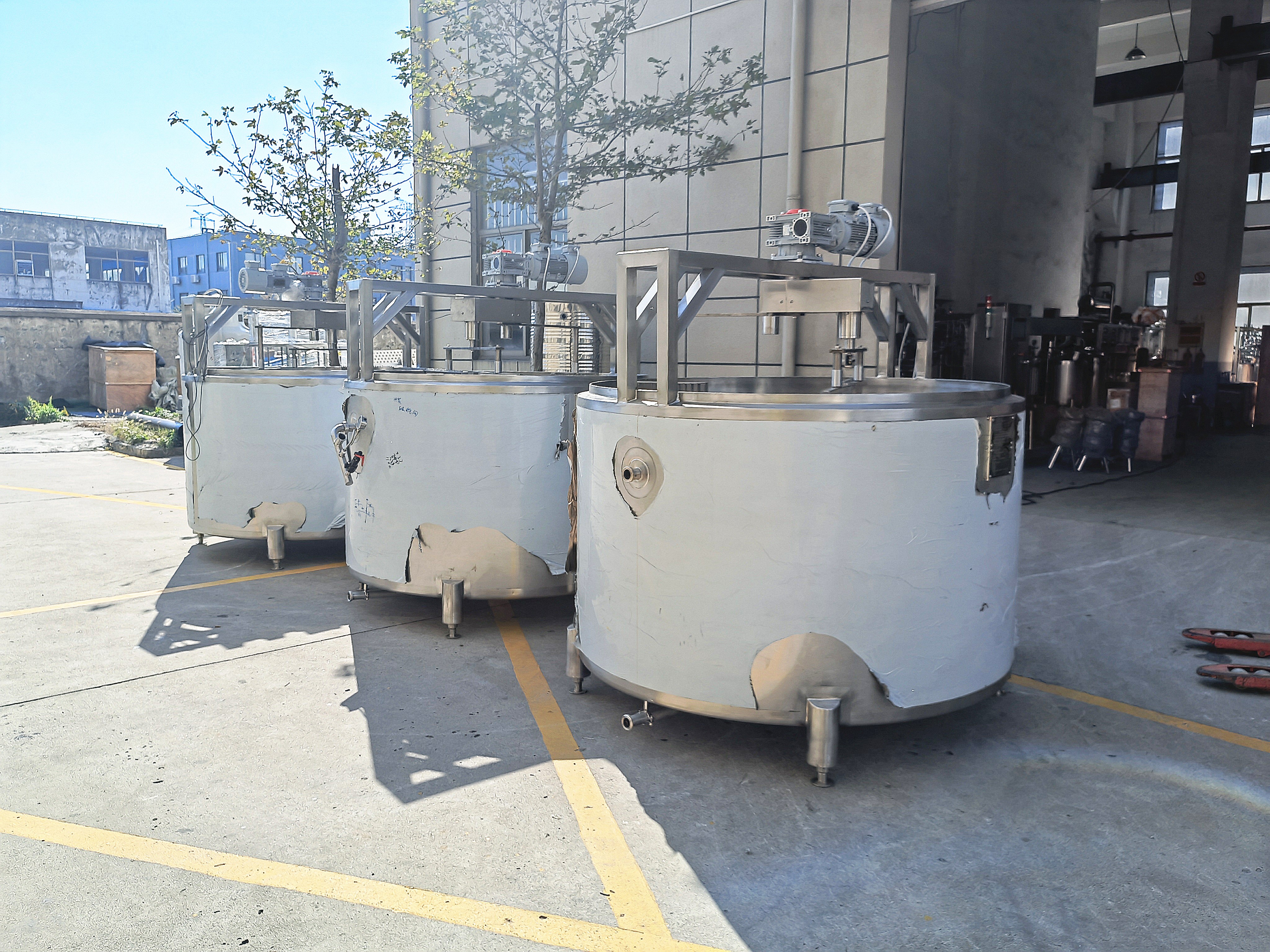
Maximizing the conversion of milk solids into sellable cheese drives plant profitability. Precision cutting tools and gentle agitation systems minimize curd shattering. High-quality vats utilize dual-motor drives to separate the cutting and stirring functions, allowing for precise control over blade RPM. This mechanical precision directly increases the volume of sellable cheese per hundredweight of milk processed. Agitator shafts must feature sanitary mechanical seals to prevent product leakage and contamination.
Secondary revenue streams also dictate equipment selection. High-efficiency whey drainage systems allow for the rapid capture and processing of sweet whey. Facilities route this liquid through ultrafiltration systems to produce Whey Protein Concentrate (WPC) or Whey Protein Isolate (WPI). The faster and cleaner the whey separates from the curd, the higher the quality of the resulting protein powders. Equipment that damages curds increases the fat content in the whey, which fouls filtration membranes and reduces WPC quality.
Coagulation Vat Performance Indicators
| Operational Parameter | Target Range | Impact of Deviation |
|---|---|---|
| Cutting Speed (RPM) | 2 to 5 RPM | High speeds shatter curds; low speeds cause uneven cutting. |
| Jacket Water Temperature | 100°F to 105°F | Excessive heat denatures proteins; low heat stalls whey expulsion. |
| Heal Time Before Stirring | 3 to 5 Minutes | Skipping heal time breaks fragile curds, losing fat to the whey. |
Dairy processing environments face constant threats from bacteriophages and pathogenic bacteria. Crevice-free stainless steel construction, utilizing 304 or 316L grades, forms the baseline for all modern equipment. Automated Clean-in-Place (CIP) spray balls reduce manual cleaning time and eliminate bacterial harborage points. Engineers must evaluate the placement of these spray balls to ensure complete coverage of all internal vessel surfaces, including agitator shafts, drainage valves, and sight glasses.
Equipment must meet USDA, FDA, and 3-A Sanitary Standards to pass regulatory audits and prevent product recalls. 3-A standards dictate specific surface roughness maximums, requiring all product-contact welds to be ground smooth and polished to a 32 Ra finish. Dead legs in piping systems must be eliminated. Choosing fully compliant Cheese Making Machines mitigates the risk of contamination events that can shut down production for days.
Standard CIP Sequence for Automated Belts and Vats:
Pre-rinse with warm water (110°F) to remove loose soils and residual whey without baking proteins onto the steel.
Caustic wash circulation at 160°F to break down fat deposits and heavy protein films.
Intermediate ambient water rinse to flush out caustic chemicals and neutralize the system.
Acid wash circulation at 140°F to remove mineral scale and milkstone buildup from the heating surfaces.
Final potable water rinse followed by a chemical sanitizing cycle immediately before the next production run.
Consistency separates commodity cheese from premium grades. Programmable Logic Controllers (PLCs) and Human-Machine Interfaces (HMIs) allow operators to save specific recipe parameters. These include heating curves, agitation speeds, cutting times, and pump flow rates. Automation ensures batch-to-batch consistency regardless of operator experience. Industrial control platforms provide detailed data logging, which is essential for lot traceability and quality assurance audits.
Advanced systems integrate in-line sensors to monitor pH, temperature, and milk coagulation in real-time. Light scatter sensors can detect the exact moment the coagulum reaches optimal firmness, triggering the cutting cycle automatically. This removes human subjectivity from the process. While manual intervention allows for artisanal adjustments, it introduces variability that commercial operations cannot tolerate at scale. Automated valves and variable frequency drives (VFDs) execute the PLC commands with absolute precision.
Upgrading a facility involves balancing initial equipment costs against long-term operational savings. Fully automated continuous cheddaring systems require high upfront investment. However, they drastically lower daily labor costs and reduce human error compared to manual open-vat systems. The reduction in physical labor also lowers workers' compensation claims associated with repetitive lifting, bending, and turning of heavy curd slabs.
Plant managers must calculate the break-even point based on daily milk processing volume. Automation typically justifies itself past 100,000 pounds of milk per day. Below this threshold, the depreciation and maintenance costs of complex machinery may outweigh the labor savings. High-volume plants benefit from the continuous flow, which maximizes the utilization of upstream pasteurizers and downstream packaging lines, eliminating idle time across the facility.
Physical space constraints often dictate equipment selection. Horizontal cheddaring belts require significant floor space. They offer excellent visibility and easy access for maintenance, but they consume valuable square footage. Facilities expanding within existing walls often struggle to accommodate these long conveyor systems. Drainage trenches must be perfectly aligned with the belt's drip pans to manage the high volume of expelled whey.
Cheddaring towers utilize vertical space, offering a much smaller footprint for the same throughput. However, towers present different maintenance and cleaning challenges. Accessing the top of a 30-foot tower requires specialized platforms and strict safety protocols. The vertical compression also alters the curd matting dynamics slightly compared to gravity-drained horizontal belts. Engineers must evaluate ceiling heights, floor loading capacities, and utility routing when choosing between horizontal and vertical automation.
Equipment Footprint and Utility Comparison
| System Type | Floor Space Required | Vertical Clearance | Primary Utility Demand |
|---|---|---|---|
| Manual Open Vats | Moderate | Low (Standard Ceilings) | Hot Water / Low-Pressure Steam |
| Horizontal Cheddaring Belts | Large (Horizontal Spread) | Low to Moderate | High-Volume CIP Water / Electricity |
| Vertical Cheddaring Towers | Small | High (30+ Feet) | Compressed Air / Vacuum Systems |
Installing new equipment rarely happens in a vacuum. New automated vats or block formers may outpace the capacity of existing pasteurizers or whey processing lines. This creates operational bottlenecks where expensive new machinery sits idle waiting for milk, or downstream systems flood with excess whey. Upgrading one section of the plant alters the fluid dynamics and utility demands of the entire facility. Buffer tanks must be sized correctly to absorb flow rate mismatches between batch vats and continuous belts.
Conduct a comprehensive mass-balance audit of the entire facility prior to procurement. Ensure upstream and downstream equipment can handle the new throughput. Evaluate utility capacities, including steam generation, chilled water loops, and compressed air systems. A new continuous block former requires massive amounts of stable vacuum and compressed air. Failing to upgrade the utility infrastructure alongside the processing equipment guarantees startup failures and inconsistent cheese quality.
Advanced machinery requires advanced skills. Transitioning from manual to highly automated systems can lead to operator errors and maintenance delays if the workforce lacks PLC troubleshooting skills. A mechanical failure on a continuous line halts the entire plant, whereas a broken manual vat only isolates one batch. The reliance on sensors, pneumatic valves, and variable frequency drives shifts the maintenance burden from mechanical repair to electrical and software troubleshooting.
Mandate vendor-supplied training programs during the commissioning phase. Establish preventative maintenance schedules for high-wear parts like cutting blades, door seals, and pump stators. Ensure local availability of spare parts. Relying on overseas shipping for a proprietary sensor can result in days of lost production. Cross-train operators to understand both the software interface and the mechanical realities of the equipment they control.
Audit your current daily milk processing volumes and map them against your existing utility capacities, specifically steam, chilled water, and compressed air.
Define your target daily cheese yields and calculate the acceptable threshold for fat and protein loss in your whey stream to guide vat selection.
Consult with a specialized dairy engineering firm to conduct a mass-balance study and identify potential bottlenecks before integrating a new Cheddar Cheese Production Line.
Establish a clear preventative maintenance and PLC training plan for your operators prior to the installation of any automated equipment.
A: The cheese vat, or coagulation vat, is arguably the most critical component. The precision of its cutting and agitation mechanisms directly determines curd yield, fat retention, and the volume of sellable product. Poor vat performance leads to shattered curds and lost revenue.
A: Automated cheddaring uses continuous belts or vertical towers to drain whey, mat the curds, and mill them without human intervention. Manual cheddaring requires workers to physically cut, stack, and turn heavy curd slabs in a finishing vat to press out whey and eliminate air pockets.
A: Commercial equipment must be constructed from food-grade stainless steel, typically 304 or 316L grades. The surfaces require specific finishes and polished welds to comply with 3-A Sanitary Standards, ensuring they can withstand harsh CIP chemicals and prevent bacterial growth.
A: Depending on the scale, facility readiness, and custom engineering required, the entire process from procurement and site preparation to installation and final commissioning can take anywhere from 6 to 18 months.
A: Yes, upstream equipment like pasteurizers and coagulation vats are highly versatile. However, downstream equipment like cheddaring belts, curd mills, and specific block formers are specialized for milled, hard cheeses and may not suit soft or stretched-curd cheeses like mozzarella.
 English